Lawyers and builders propose changes to variance and appeals process to speed housing projects
July 22, 2025 | 2025 Legislature MA, Massachusetts
This article was created by AI summarizing key points discussed. AI makes mistakes, so for full details and context, please refer to the video of the full meeting. Please report any errors so we can fix them. Report an error »
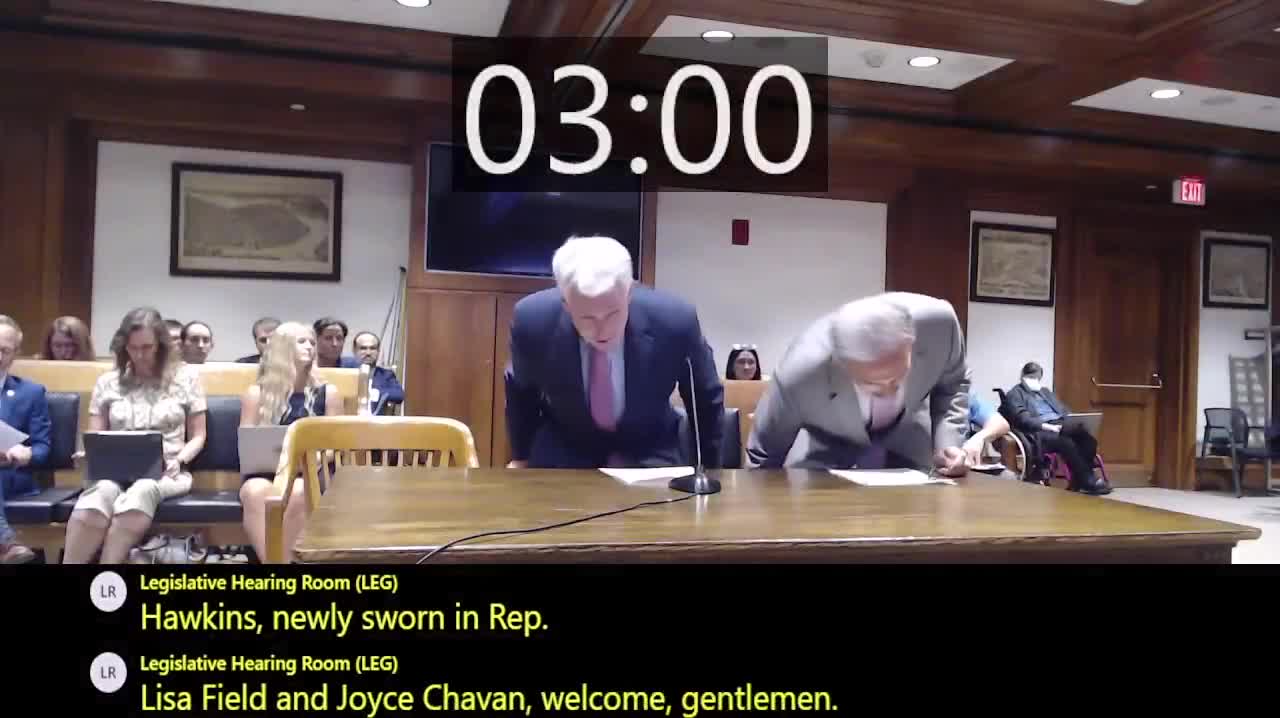
Real-estate attorneys, a state senator and building industry representatives told the committee Thursday they support a package of changes aimed at shortening delays in local permitting and appellate review that they say stall housing production.
Senate Bill 1448, presented by Senator John Keenan, would toll the one-year statutory period in which a variance must be acted upon while an appeal is pending so that the time consumed by litigation does not erode a developer's statutory window. "It tolls that one-year requirement," Keenan said, to prevent developers from losing time while appeals are decided.
A separate Real Estate Bar Association proposal would (1) impose time limits on local hearings (they proposed 150 days for large special-permit proceedings and 100 days for simpler matters), (2) shift zoning appeals from de novo evidence-heavy trials to closed‑record review akin to other administrative appeals, and (3) modify rules about undersized or merged lots so reasonable expansions that comply with dimensional rules are allowed as of right. Attorneys said the change from de novo to closed-record review would shorten litigation by removing duplicative discovery and recreate procedures used in other areas of administrative law.
Nut graf: Supporters framed the changes as narrow procedural fixes that preserve judicial review but reduce time and cost. Critics at the hearing raised concerns that a closed‑record approach could limit consideration of new evidence and change litigation incentives; sponsors said the proposals include safeguards and leave courts discretion to supplement records where necessary.
Developers and their counsel said the current variance standard is difficult to meet and that state Supreme Court cases had produced surprising results that block reasonably designed expansions. Attorney Doug Troyer said the proposed variance language would allow municipal boards discretion to find "practical difficulty" where literal enforcement would prevent reasonable development, while preserving limits on use variances.
Ending: Committee members asked for written copies of cited judicial decisions and for technical edits; no formal action was taken. Supporters asked the committee to report the bills favorably to allow refinement and negotiation on language in follow-up sessions.
Senate Bill 1448, presented by Senator John Keenan, would toll the one-year statutory period in which a variance must be acted upon while an appeal is pending so that the time consumed by litigation does not erode a developer's statutory window. "It tolls that one-year requirement," Keenan said, to prevent developers from losing time while appeals are decided.
A separate Real Estate Bar Association proposal would (1) impose time limits on local hearings (they proposed 150 days for large special-permit proceedings and 100 days for simpler matters), (2) shift zoning appeals from de novo evidence-heavy trials to closed‑record review akin to other administrative appeals, and (3) modify rules about undersized or merged lots so reasonable expansions that comply with dimensional rules are allowed as of right. Attorneys said the change from de novo to closed-record review would shorten litigation by removing duplicative discovery and recreate procedures used in other areas of administrative law.
Nut graf: Supporters framed the changes as narrow procedural fixes that preserve judicial review but reduce time and cost. Critics at the hearing raised concerns that a closed‑record approach could limit consideration of new evidence and change litigation incentives; sponsors said the proposals include safeguards and leave courts discretion to supplement records where necessary.
Developers and their counsel said the current variance standard is difficult to meet and that state Supreme Court cases had produced surprising results that block reasonably designed expansions. Attorney Doug Troyer said the proposed variance language would allow municipal boards discretion to find "practical difficulty" where literal enforcement would prevent reasonable development, while preserving limits on use variances.
Ending: Committee members asked for written copies of cited judicial decisions and for technical edits; no formal action was taken. Supporters asked the committee to report the bills favorably to allow refinement and negotiation on language in follow-up sessions.
View the Full Meeting & All Its Details
This article offers just a summary. Unlock complete video, transcripts, and insights as a Founder Member.
✓
Watch full, unedited meeting videos
✓
Search every word spoken in unlimited transcripts
✓
AI summaries & real-time alerts (all government levels)
✓
Permanent access to expanding government content
30-day money-back guarantee
