Isha Foundation outlines growth, tax payments and residency plans; commissioners press on taxes and allegations
July 22, 2025 | Warren County, School Boards, Kentucky
This article was created by AI summarizing key points discussed. AI makes mistakes, so for full details and context, please refer to the video of the full meeting. Please report any errors so we can fix them. Report an error »
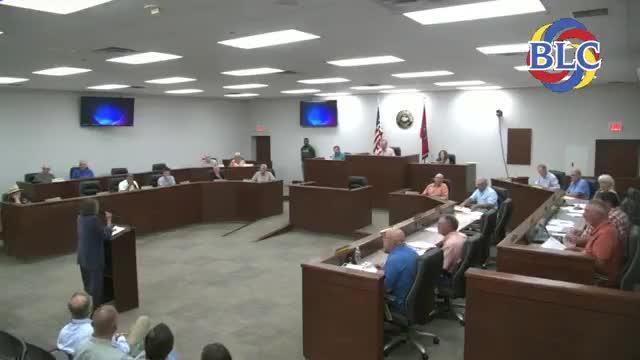
Representatives of the Isha Foundation presented an overview of the campus, residential plans and local economic figures at the Warren County Commission meeting and answered commissioners’ questions about taxes, residency rules and allegations tied to the organization.
Dr. Usha Ghoshie, identified in the meeting as Isha Foundation president and a retired pediatrician, said Isha has operated in the county since 2005 and described the organization’s mission as offering yoga‑based programs and residential opportunities. Tim Ross, an Isha representative, described existing campus facilities, said the organization owns roughly 17,000 acres with about 70% planned for conservation, and said the current residential plan contemplates up to 2,000 residents over time (staff called 2,000 a development target and described earlier larger figures as aspirational). Ross said Isha has directly invested about $120 million since 2005, attracts roughly 100,000 visitors per year, and that the organization has paid about $15 million in property and sales taxes across its operations since 2005.
At the meeting County Executive Bell said Isha began remitting hotel‑motel tax and sales tax in March, reporting a hotel‑motel payment of $13,764.38 covering three months. Commissioners asked for clarification of tax totals cited in a public letter — numbers discussed in the meeting included $221,085 in property tax and lower Department of Revenue totals for 2024 sales tax. Isha representatives said the larger figures published in materials aggregate revenue across multiple counties where Isha operates and include property taxes paid by individual homeowners in Isha Village subdivisions in other jurisdictions; they said the organization would provide records and that discrepancies reflected different geographies and tax types.
Commissioners sought details about residency, volunteer agreements and public access. Isha representatives said residents must complete the organization’s introductory course and abide by campus rules (the presenters described campus rules as prohibiting alcohol, drug use and ‘‘uncommitted relationships’’); they denied that residents were required to surrender personal possessions, saying most residents keep their belongings and some maintain outside employment. Isha staff said volunteers and residents sign agreements intended to protect organizational assets and to prevent volunteers with management access from appropriating property or land value; presenters described those documents as safeguards rather than secrecy instruments.
Several commissioners raised allegations that have circulated online about Isha and its founder; Tim Ross told the commission that the allegations discussed in public materials are false and that the organization had initiated civil action for defamation in at least one case. Ross and other Isha speakers also recounted an earlier on‑campus death that had been investigated by local authorities and described how the incident had been mischaracterized in social media narratives.
Commissioners asked about community benefits. Isha representatives said the organization employs roughly 100 staff at the center, contracts with about 300 local subcontractors within a 50‑mile radius, and projects future economic growth tied to development. They said programming includes a state‑accredited grades 1–5 school on campus and that the campus is open to the public daily, with a welcome center and retail operations on site. Representatives invited commissioners to an August 5 tour and dinner and said they were planning community outreach including health fairs and local partnerships as capacity increased.
No formal action was taken by the commission on the presentation. Commissioners asked staff to continue tracking tax receipts and any follow‑up information provided by Isha.
Speakers quoted in this article are limited to named Isha representatives and commissioners identified in the meeting minutes.
Dr. Usha Ghoshie, identified in the meeting as Isha Foundation president and a retired pediatrician, said Isha has operated in the county since 2005 and described the organization’s mission as offering yoga‑based programs and residential opportunities. Tim Ross, an Isha representative, described existing campus facilities, said the organization owns roughly 17,000 acres with about 70% planned for conservation, and said the current residential plan contemplates up to 2,000 residents over time (staff called 2,000 a development target and described earlier larger figures as aspirational). Ross said Isha has directly invested about $120 million since 2005, attracts roughly 100,000 visitors per year, and that the organization has paid about $15 million in property and sales taxes across its operations since 2005.
At the meeting County Executive Bell said Isha began remitting hotel‑motel tax and sales tax in March, reporting a hotel‑motel payment of $13,764.38 covering three months. Commissioners asked for clarification of tax totals cited in a public letter — numbers discussed in the meeting included $221,085 in property tax and lower Department of Revenue totals for 2024 sales tax. Isha representatives said the larger figures published in materials aggregate revenue across multiple counties where Isha operates and include property taxes paid by individual homeowners in Isha Village subdivisions in other jurisdictions; they said the organization would provide records and that discrepancies reflected different geographies and tax types.
Commissioners sought details about residency, volunteer agreements and public access. Isha representatives said residents must complete the organization’s introductory course and abide by campus rules (the presenters described campus rules as prohibiting alcohol, drug use and ‘‘uncommitted relationships’’); they denied that residents were required to surrender personal possessions, saying most residents keep their belongings and some maintain outside employment. Isha staff said volunteers and residents sign agreements intended to protect organizational assets and to prevent volunteers with management access from appropriating property or land value; presenters described those documents as safeguards rather than secrecy instruments.
Several commissioners raised allegations that have circulated online about Isha and its founder; Tim Ross told the commission that the allegations discussed in public materials are false and that the organization had initiated civil action for defamation in at least one case. Ross and other Isha speakers also recounted an earlier on‑campus death that had been investigated by local authorities and described how the incident had been mischaracterized in social media narratives.
Commissioners asked about community benefits. Isha representatives said the organization employs roughly 100 staff at the center, contracts with about 300 local subcontractors within a 50‑mile radius, and projects future economic growth tied to development. They said programming includes a state‑accredited grades 1–5 school on campus and that the campus is open to the public daily, with a welcome center and retail operations on site. Representatives invited commissioners to an August 5 tour and dinner and said they were planning community outreach including health fairs and local partnerships as capacity increased.
No formal action was taken by the commission on the presentation. Commissioners asked staff to continue tracking tax receipts and any follow‑up information provided by Isha.
Speakers quoted in this article are limited to named Isha representatives and commissioners identified in the meeting minutes.
Don't Miss a Word: See the Full Meeting!
Go beyond summaries. Unlock every video, transcript, and key insight with a Founder Membership.
✓
Get instant access to full meeting videos
✓
Search and clip any phrase from complete transcripts
✓
Receive AI-powered summaries & custom alerts
✓
Enjoy lifetime, unrestricted access to government data
30-day money-back guarantee
