Physicians, lawmakers push to expand loan‑repayment eligibility to shore up primary care
July 28, 2025 | 2025 Legislature MA, Massachusetts
This article was created by AI summarizing key points discussed. AI makes mistakes, so for full details and context, please refer to the video of the full meeting. Please report any errors so we can fix them. Report an error »
Boston — Representatives of the Massachusetts Medical Society and lawmakers told the Joint Committee on Mental Health, Substance Use and Recovery that expanding state loan‑repayment eligibility could help address a worsening primary care shortage.
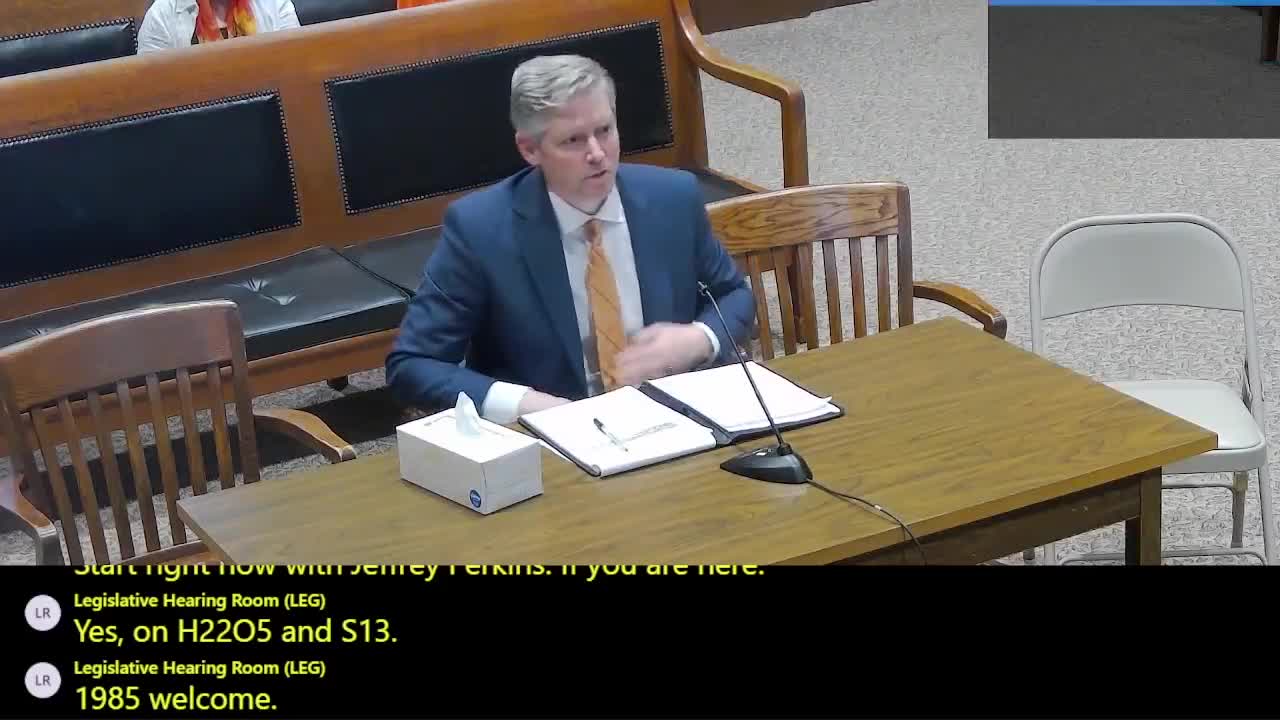
Jeff Perkins, legislative and regulatory affairs counsel for the Massachusetts Medical Society, told the committee the bills H2205 and S1385 would “expand the existing MA Repay Loan Program” so primary care physicians in a broader set of practice settings could qualify.
Perkins said Massachusetts has the most physicians per capita in the U.S. but “the fifth fewest number of primary care physicians actually providing patient care,” and that many practicing physicians are older: “over half of our physicians in an office setting are 55 and older.” He added that a 2023 survey found 41 percent of Massachusetts residents reported difficulty accessing care, with the chief barrier being the inability to get an appointment.
Senator Comerford, who co‑filed the legislation, said expanding the program’s eligibility beyond community health centers could put clinicians in more communities and that any expansion must be paired with funding so it does not reduce support for federally qualified community health centers.
Dr. Kate Atkinson, a family physician in Amherst, described recruitment difficulties in Western Massachusetts and said her practice has about 8,000 patients and 800 people on a waiting list. She said trainees frequently change career plans after reviewing debt burdens: “They go into a high paying field,” she said, “and this happens again and again and again.”
Committee chairs and witnesses emphasized the bills would not be a full solution but seen as an important state role to make primary care financially viable and to complement other workforce strategies.
No formal committee votes occurred during the hearing; chairs reminded attendees to submit written testimony for the record.
Jeff Perkins, legislative and regulatory affairs counsel for the Massachusetts Medical Society, told the committee the bills H2205 and S1385 would “expand the existing MA Repay Loan Program” so primary care physicians in a broader set of practice settings could qualify.
Perkins said Massachusetts has the most physicians per capita in the U.S. but “the fifth fewest number of primary care physicians actually providing patient care,” and that many practicing physicians are older: “over half of our physicians in an office setting are 55 and older.” He added that a 2023 survey found 41 percent of Massachusetts residents reported difficulty accessing care, with the chief barrier being the inability to get an appointment.
Senator Comerford, who co‑filed the legislation, said expanding the program’s eligibility beyond community health centers could put clinicians in more communities and that any expansion must be paired with funding so it does not reduce support for federally qualified community health centers.
Dr. Kate Atkinson, a family physician in Amherst, described recruitment difficulties in Western Massachusetts and said her practice has about 8,000 patients and 800 people on a waiting list. She said trainees frequently change career plans after reviewing debt burdens: “They go into a high paying field,” she said, “and this happens again and again and again.”
Committee chairs and witnesses emphasized the bills would not be a full solution but seen as an important state role to make primary care financially viable and to complement other workforce strategies.
No formal committee votes occurred during the hearing; chairs reminded attendees to submit written testimony for the record.
View the Full Meeting & All Its Details
This article offers just a summary. Unlock complete video, transcripts, and insights as a Founder Member.
✓
Watch full, unedited meeting videos
✓
Search every word spoken in unlimited transcripts
✓
AI summaries & real-time alerts (all government levels)
✓
Permanent access to expanding government content
30-day money-back guarantee
