Conservation district highlights equipment‑rental program using Moose Plate and ARPA grants
August 04, 2025 | Strafford County, New Hampshire
This article was created by AI summarizing key points discussed. AI makes mistakes, so for full details and context, please refer to the video of the full meeting. Please report any errors so we can fix them. Report an error »
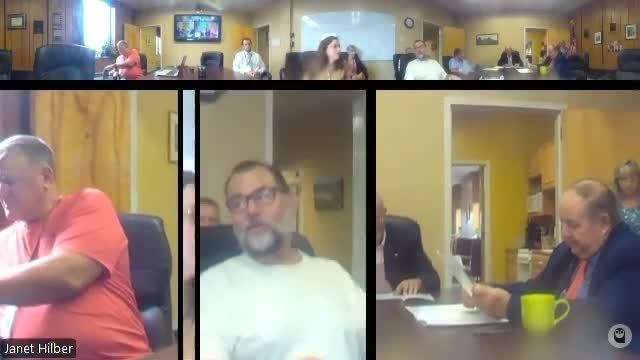
County conservation officials presented the county’s equipment‑rental program, which uses grant funding to buy conservation equipment and rents it at low cost to farmers to reduce nutrient runoff, improve soil health and support farms.
Why it matters: The program reduces barriers for small and midsize farms to adopt conservation practices by sharing equipment costs, supports state conservation goals (including Great Bay water quality), and leverages grant funds to expand capacity.
Program overview and funding
Elena Warren, manager of the conservation district, said the equipment rental program began in 2012 with the goal of reducing nutrient runoff into Great Bay and has since expanded to support soil health and wildlife habitat. Warren said the district purchases equipment with private, state and federal grants and uses a low rental fee to cover maintenance and repairs.
Ian Hanley, executive director of the State Conservation Committee, described grant sources. He said the Moose Plate grant program provides a regular source of funding (the upcoming Moose Plate application round was described as $35,000 per application) and that the Department of Agriculture distributed leftover ARPA funds last year that resulted in about $580,000 statewide for rental equipment, with Strafford County receiving about $160,000.
Demand, equipment sizing and partnerships
Officials said demand varies year to year — weather and market conditions affect use — and that recent fleet additions include smaller pieces of equipment geared to the state’s many small farms (more than half the state’s farms are under 50 acres). The district uses local public input, via annual local work groups, to prioritize equipment purchases.
Officials also noted partnerships with the Natural Resources Conservation Service (NRCS), which helps align equipment availability with Farm Bill‑funded practice implementation, and that the program gives scheduling preference to farmers in Strafford and Rockingham counties.
Ending
Commissioners and conservation officials agreed to tour the equipment after the meeting; there was no formal vote. The program leaders said continued grant support and outreach are central to future expansion.
Why it matters: The program reduces barriers for small and midsize farms to adopt conservation practices by sharing equipment costs, supports state conservation goals (including Great Bay water quality), and leverages grant funds to expand capacity.
Program overview and funding
Elena Warren, manager of the conservation district, said the equipment rental program began in 2012 with the goal of reducing nutrient runoff into Great Bay and has since expanded to support soil health and wildlife habitat. Warren said the district purchases equipment with private, state and federal grants and uses a low rental fee to cover maintenance and repairs.
Ian Hanley, executive director of the State Conservation Committee, described grant sources. He said the Moose Plate grant program provides a regular source of funding (the upcoming Moose Plate application round was described as $35,000 per application) and that the Department of Agriculture distributed leftover ARPA funds last year that resulted in about $580,000 statewide for rental equipment, with Strafford County receiving about $160,000.
Demand, equipment sizing and partnerships
Officials said demand varies year to year — weather and market conditions affect use — and that recent fleet additions include smaller pieces of equipment geared to the state’s many small farms (more than half the state’s farms are under 50 acres). The district uses local public input, via annual local work groups, to prioritize equipment purchases.
Officials also noted partnerships with the Natural Resources Conservation Service (NRCS), which helps align equipment availability with Farm Bill‑funded practice implementation, and that the program gives scheduling preference to farmers in Strafford and Rockingham counties.
Ending
Commissioners and conservation officials agreed to tour the equipment after the meeting; there was no formal vote. The program leaders said continued grant support and outreach are central to future expansion.
View the Full Meeting & All Its Details
This article offers just a summary. Unlock complete video, transcripts, and insights as a Founder Member.
✓
Watch full, unedited meeting videos
✓
Search every word spoken in unlimited transcripts
✓
AI summaries & real-time alerts (all government levels)
✓
Permanent access to expanding government content
30-day money-back guarantee
