Lee's Summit police describe co‑responder crisis program as on‑scene alternative to arrest
August 18, 2025 | Lee's Summit, Jackson County, Missouri
This article was created by AI summarizing key points discussed. AI makes mistakes, so for full details and context, please refer to the video of the full meeting. Please report any errors so we can fix them. Report an error »
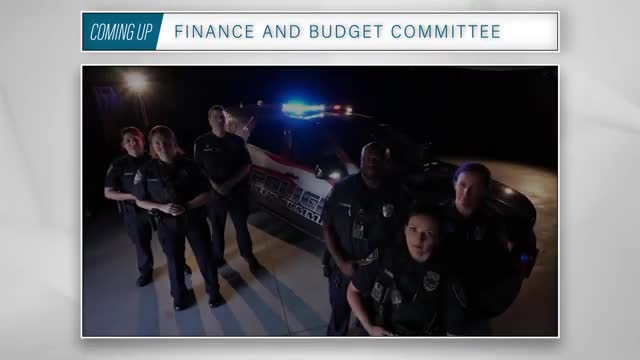
Lee’s Summit police and a licensed co‑responder described the city’s crisis intervention program on Aug. 18, saying officers trained in crisis intervention now routinely respond with a co‑responder — a bachelor’s or master’s‑level behavioral‑health professional who wears plain clothes and does not carry a weapon — to mental‑health‑related calls.
The co‑responder described arriving after officers have secured a scene, introducing herself to the person in crisis and offering safety planning and immediate referrals to services. "My name's Allison. I'm a mental health professional. I'm here to help you. I'm not here to take you to jail," she told the record.
Police and the co‑responder said mental‑health calls to the department have risen substantially, from 722 calls for service in 2020 to 1,479 calls in 2022. The co‑responder said the team’s goals are to connect people with services, reduce unnecessary emergency‑room visits and reduce jail bookings. She described safety planning steps that sometimes include contacting family or support people, arranging urgent‑care assessments for medication needs, securing sharps or medications in the home and arranging follow‑up contacts.
How to request a co‑responder: Officials told the public that callers should ask for a co‑responder when they call 911. The co‑responder said she monitors police radio traffic and can self‑dispatch to some calls when appropriate.
Officials said the program’s presence has changed some residents’ perceptions of police response to behavioral crises and provides a pathway for immediate connection to community services. No new funding or ordinance was proposed during the committee meeting; the presentation was informational.
The co‑responder described arriving after officers have secured a scene, introducing herself to the person in crisis and offering safety planning and immediate referrals to services. "My name's Allison. I'm a mental health professional. I'm here to help you. I'm not here to take you to jail," she told the record.
Police and the co‑responder said mental‑health calls to the department have risen substantially, from 722 calls for service in 2020 to 1,479 calls in 2022. The co‑responder said the team’s goals are to connect people with services, reduce unnecessary emergency‑room visits and reduce jail bookings. She described safety planning steps that sometimes include contacting family or support people, arranging urgent‑care assessments for medication needs, securing sharps or medications in the home and arranging follow‑up contacts.
How to request a co‑responder: Officials told the public that callers should ask for a co‑responder when they call 911. The co‑responder said she monitors police radio traffic and can self‑dispatch to some calls when appropriate.
Officials said the program’s presence has changed some residents’ perceptions of police response to behavioral crises and provides a pathway for immediate connection to community services. No new funding or ordinance was proposed during the committee meeting; the presentation was informational.
Don't Miss a Word: See the Full Meeting!
Go beyond summaries. Unlock every video, transcript, and key insight with a Founder Membership.
✓
Get instant access to full meeting videos
✓
Search and clip any phrase from complete transcripts
✓
Receive AI-powered summaries & custom alerts
✓
Enjoy lifetime, unrestricted access to government data
30-day money-back guarantee
