Researchers outline Ku Klux Klan activity in 1920s Colorado and lingering institutional effects
August 13, 2025 | Black Coloradan Racial Equity Study Commission, YEAR-ROUND COMMITTEES, Committees, Legislative, Colorado
This article was created by AI summarizing key points discussed. AI makes mistakes, so for full details and context, please refer to the video of the full meeting. Please report any errors so we can fix them. Report an error »
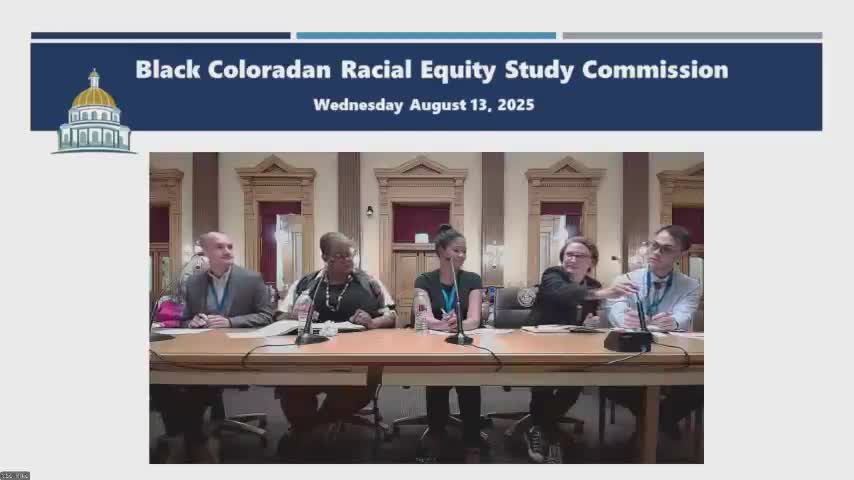
History Colorado researchers told the commission that the Ku Klux Klan established a strong presence in Colorado in the early 1920s and left a persistent influence in political and civic institutions. Why it matters: State-level Klan activity altered political power, policing and civic life in ways the researchers say shaped subsequent policy and social conditions. Dr. Melissa Jones and Dr. Scott Spillman described the Klan’s rapid expansion after about 1921, its presence in multiple sectors—politics, policing, banking and education—and its attempt to field a slate of political candidates in the mid-1920s. Spillman said the governor elected in 1924 was a Klan member and noted that the Klan in that period acted as a political organization with wide reach. Jones said anecdotes and records indicate the Klan distributed membership applications to police officers and that its formal decline in the late 1920s did not eliminate underlying prejudices or the Klan’s effects on institutions. The research team said they will document how the Klan’s organized activity and the subsequent persistence of prejudice affected Black Coloradans’ opportunities and civic life across the 20th century.
View the Full Meeting & All Its Details
This article offers just a summary. Unlock complete video, transcripts, and insights as a Founder Member.
✓
Watch full, unedited meeting videos
✓
Search every word spoken in unlimited transcripts
✓
AI summaries & real-time alerts (all government levels)
✓
Permanent access to expanding government content
30-day money-back guarantee
