Candidates propose tools — from trust funds to anti-speculation taxes — to counter rising housing prices
August 28, 2025 | Ferndale, Oakland County, Michigan
This article was created by AI summarizing key points discussed. AI makes mistakes, so for full details and context, please refer to the video of the full meeting. Please report any errors so we can fix them. Report an error »
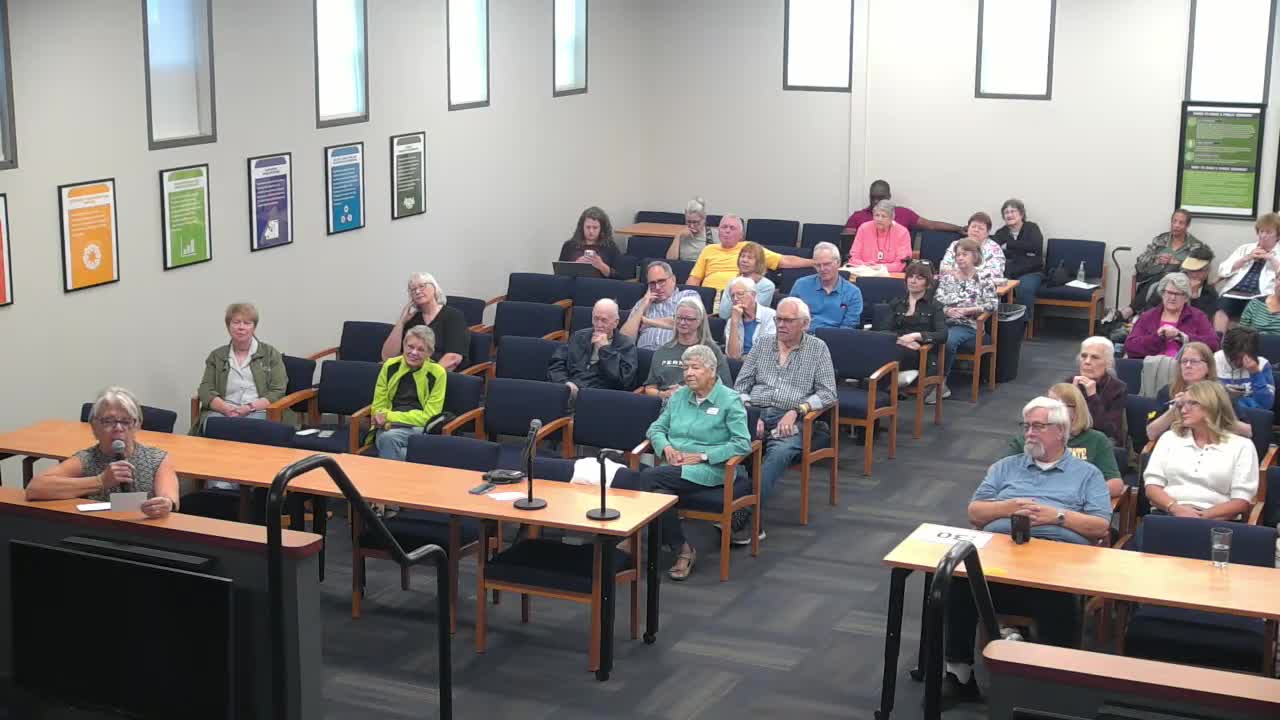
Housing affordability and speculation were frequent topics at the Ferndale seniors candidate forum. Candidates described the limits of market-rate development and discussed tools to preserve or increase affordable housing. Laura Michalski said the city uses tax incentives to produce subsidized units; Quinn Ziegler and Eddie Sabertini questioned whether typical developer incentives deliver lasting affordability, because many units are priced for households at 80% of area median income and incentives can expire. Sabertini proposed alternatives including an affordable housing trust fund, community land trusts, adaptive reuse, and shared-equity models that keep housing affordable over time. Michalski noted conditional developer incentives and talked about funds developers sometimes set aside to extend affordability beyond incentive periods.
Why it matters: Participants said investor-driven purchases and rapid price increases reduce access to homeownership and displace long-term residents; candidates emphasized policy tools the city controls (zoning, city-owned land, targeted incentives) and those that require broader collaboration or funding.
Details discussed: Proposed measures included anti-speculation taxes (to discourage flipping and hold speculative investors liable), use of city-owned land for mission-driven development, community land trusts, and an affordable housing trust fund. Candidates also highlighted energy-efficiency programs and homestead exemptions to lower household costs. No ordinance or funding decision was made at the forum.
Ending: Candidates asked residents to consider trade-offs and pushed for targeted local tools while acknowledging state and regional housing pressures beyond the city's control.
Why it matters: Participants said investor-driven purchases and rapid price increases reduce access to homeownership and displace long-term residents; candidates emphasized policy tools the city controls (zoning, city-owned land, targeted incentives) and those that require broader collaboration or funding.
Details discussed: Proposed measures included anti-speculation taxes (to discourage flipping and hold speculative investors liable), use of city-owned land for mission-driven development, community land trusts, and an affordable housing trust fund. Candidates also highlighted energy-efficiency programs and homestead exemptions to lower household costs. No ordinance or funding decision was made at the forum.
Ending: Candidates asked residents to consider trade-offs and pushed for targeted local tools while acknowledging state and regional housing pressures beyond the city's control.
View the Full Meeting & All Its Details
This article offers just a summary. Unlock complete video, transcripts, and insights as a Founder Member.
✓
Watch full, unedited meeting videos
✓
Search every word spoken in unlimited transcripts
✓
AI summaries & real-time alerts (all government levels)
✓
Permanent access to expanding government content
30-day money-back guarantee
