Fire-department coverage quote for NHMS events spikes; selectmen ask for breakdown
September 04, 2025 | Loudon, Merrimack County , New Hampshire
This article was created by AI summarizing key points discussed. AI makes mistakes, so for full details and context, please refer to the video of the full meeting. Please report any errors so we can fix them. Report an error »
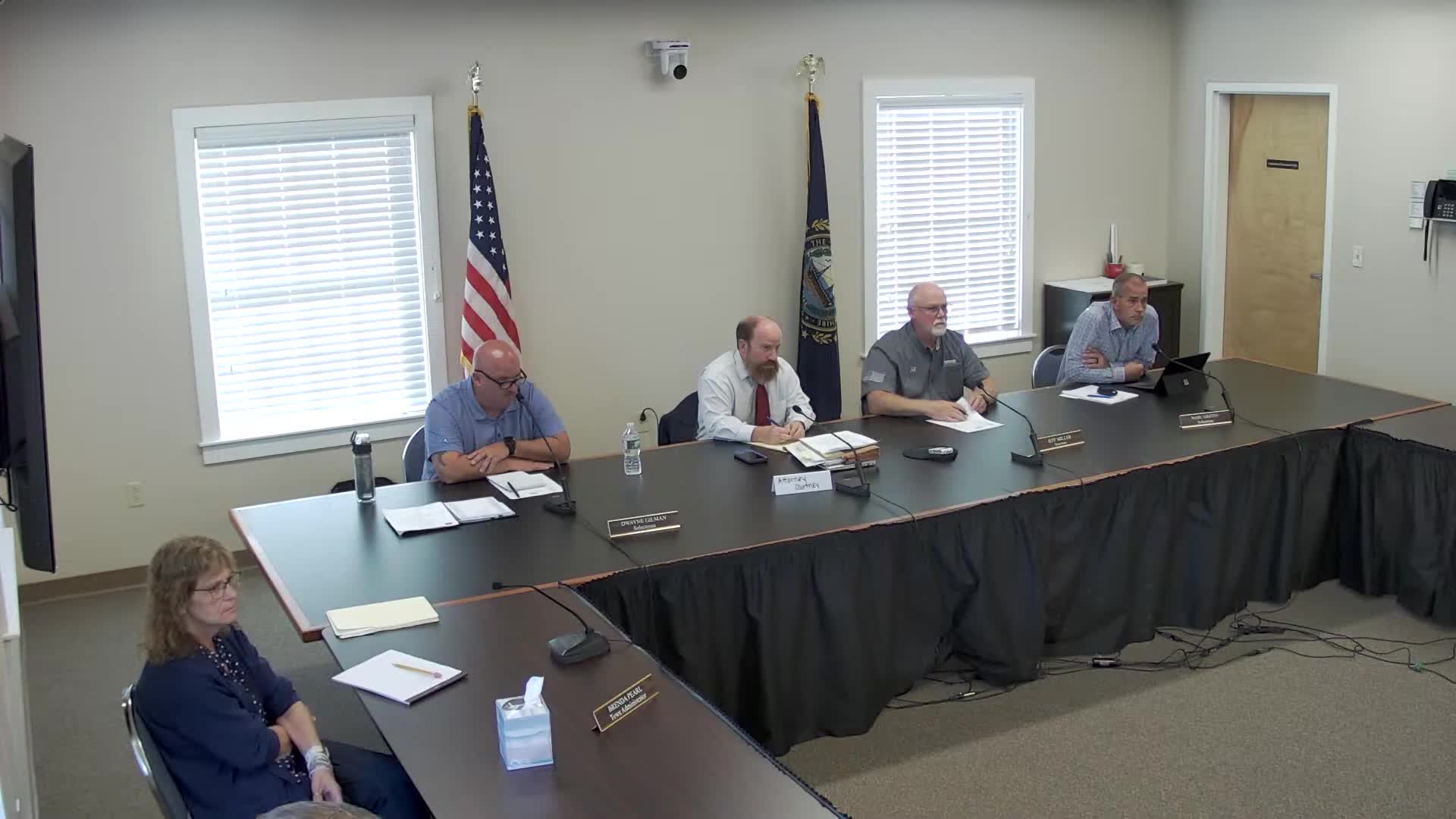
Loudon selectmen on Sept. 3 pressed the Loudon Fire Department and New Hampshire Motor Speedway to explain a proposed jump in emergency-services charges for track events that the track said rose from an estimated $62,000 in prior seasons to about $92,000 in the current quote.
Why it matters: the raceway is a major town taxpayer and these standby costs are a material line item for the Speedway’s event budget; the selectmen said the town needs clear documentation of days, staffing levels and the specific services that drive the higher estimate so both sides can negotiate a fair plan.
Tom Blanchard, Loudon’s fire chief, outlined operational changes and added positions that he said contributed to the higher estimate: new computer-aided dispatch and records-management systems that require vetted, trained operators; the relocation of a dispatch operator to race control; a new on-site monitoring requirement tied to the track’s updated alarm panel; additional Thursday-night coverage after a prior infield fire; and increased paid coverage for Sunday traffic-control engine staffing that previously relied on volunteers.
Blanchard said some items were added to address prior safety concerns and to comply with updated regional security and information requirements. He presented the Thursday-night detail as an add-on that would cost $6,180 and said the broader estimate reflected roughly 1,100–1,200 man-hours compared with about 770 reported man-hours on last year’s bill.
Track staff and selectmen said the track is not contesting hourly rates but asked for a clearer schedule and a day-by-day accounting of names, roles, hours and dates so they can identify where coverage can be reduced without sacrificing public safety. David McGrath and Matt Goslant for the Speedway agreed to receive the fire chief’s detailed spreadsheet and to continue negotiations; McGrath noted the track had invested in on-site improvements intended to reduce some staffing needs.
Selectmen and the track asked the fire chief to provide the schedule and spreadsheet (names and rates plus dates/times) to Speedway operations staff so both sides can refine the staffing plan. The board agreed that a follow-up exchange of written detail and a subsequent meeting to finalize coverage and cost would be the next step rather than extended negotiation at the Sept. 3 meeting.
No formal vote on the coverage or costs occurred at the meeting; selectmen instructed the fire chief to supply the requested breakdown and to work with Speedway operations to seek a reasonable, safety-focused plan for future events.
Why it matters: the raceway is a major town taxpayer and these standby costs are a material line item for the Speedway’s event budget; the selectmen said the town needs clear documentation of days, staffing levels and the specific services that drive the higher estimate so both sides can negotiate a fair plan.
Tom Blanchard, Loudon’s fire chief, outlined operational changes and added positions that he said contributed to the higher estimate: new computer-aided dispatch and records-management systems that require vetted, trained operators; the relocation of a dispatch operator to race control; a new on-site monitoring requirement tied to the track’s updated alarm panel; additional Thursday-night coverage after a prior infield fire; and increased paid coverage for Sunday traffic-control engine staffing that previously relied on volunteers.
Blanchard said some items were added to address prior safety concerns and to comply with updated regional security and information requirements. He presented the Thursday-night detail as an add-on that would cost $6,180 and said the broader estimate reflected roughly 1,100–1,200 man-hours compared with about 770 reported man-hours on last year’s bill.
Track staff and selectmen said the track is not contesting hourly rates but asked for a clearer schedule and a day-by-day accounting of names, roles, hours and dates so they can identify where coverage can be reduced without sacrificing public safety. David McGrath and Matt Goslant for the Speedway agreed to receive the fire chief’s detailed spreadsheet and to continue negotiations; McGrath noted the track had invested in on-site improvements intended to reduce some staffing needs.
Selectmen and the track asked the fire chief to provide the schedule and spreadsheet (names and rates plus dates/times) to Speedway operations staff so both sides can refine the staffing plan. The board agreed that a follow-up exchange of written detail and a subsequent meeting to finalize coverage and cost would be the next step rather than extended negotiation at the Sept. 3 meeting.
No formal vote on the coverage or costs occurred at the meeting; selectmen instructed the fire chief to supply the requested breakdown and to work with Speedway operations to seek a reasonable, safety-focused plan for future events.
View the Full Meeting & All Its Details
This article offers just a summary. Unlock complete video, transcripts, and insights as a Founder Member.
✓
Watch full, unedited meeting videos
✓
Search every word spoken in unlimited transcripts
✓
AI summaries & real-time alerts (all government levels)
✓
Permanent access to expanding government content
30-day money-back guarantee
