Natural resources panel approves two Earth MRI grant applications for mine‑waste mapping and Cornucopia geologic map
May 09, 2025 | Ways and Means, Joint, Committees, Legislative, Oregon
This article was created by AI summarizing key points discussed. AI makes mistakes, so for full details and context, please refer to the video of the full meeting. Please report any errors so we can fix them. Report an error »
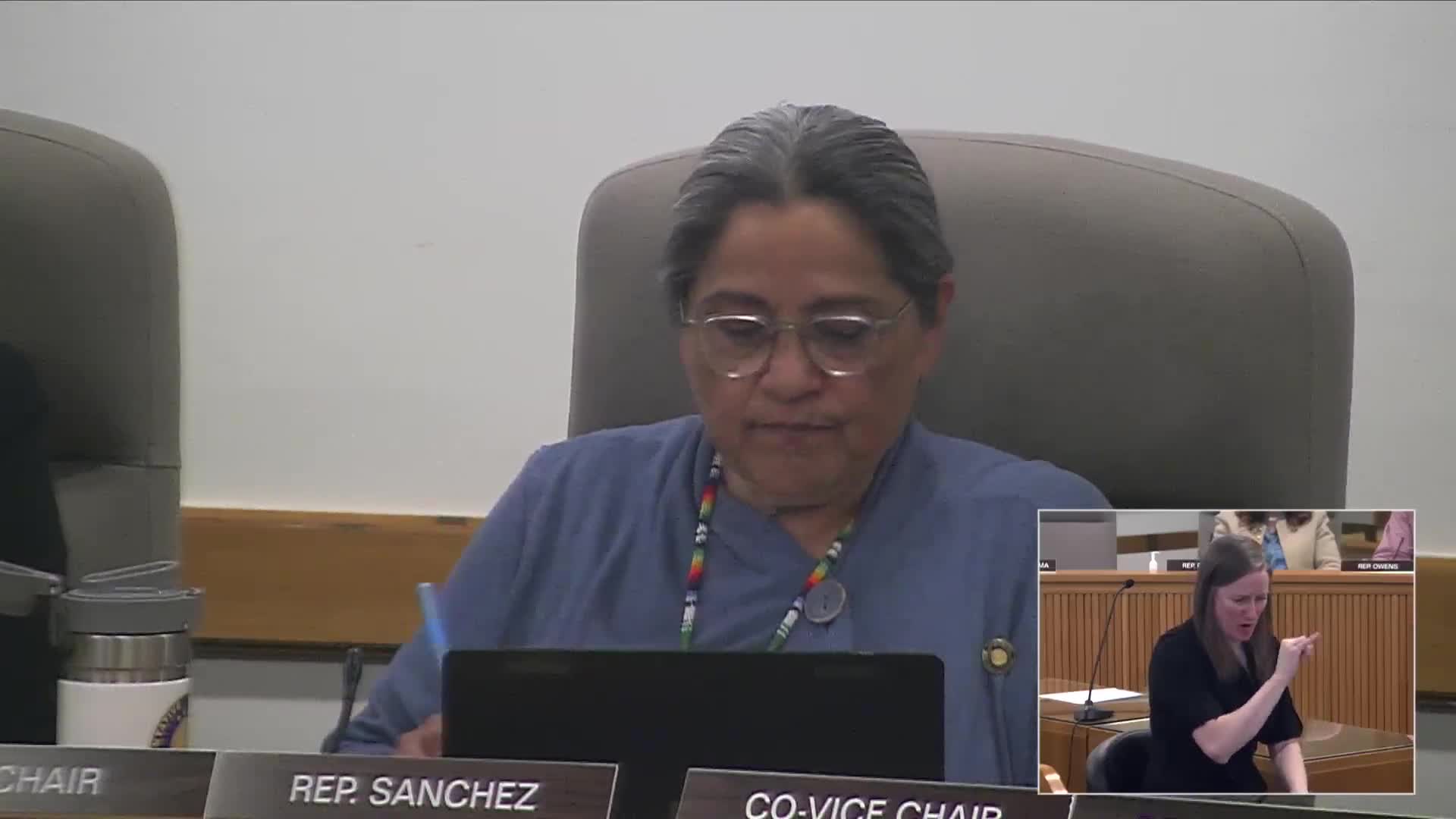
The Natural Resources Subcommittee recommended approval Thursday of two Department of Geology and Mineral Industries (DGMI) grant submissions to the U.S. Geological Survey’s Earth Mapping Resource Initiative (Earth MRI).
The first request was a competitive proposal for $306,000 to inventory and characterize mine wastes, including mapping in the Cornucopia Mining District in Baker County, mine waste assessment field studies in southwest Oregon and staff travel to the annual Earth MRI workshop. The department said the work could identify sources of rare earth elements in legacy mine waste and that awardees could begin projects before September 2025 with a maximum performance period of 24 months; no state match is required and applications were due May 14, 2025.
The second request was a non‑competitive Earth MRI award of $330,000 for geologic mapping in the Cornucopia mining district in northeast Oregon. DGMI said the non‑competitive mapping award carries no cost‑share requirement, work is expected to begin in November 2025 and the period of performance is three years.
Representatives on the panel noted the agency had maps available at the May 6 subcommittee meeting and described the maps as useful for identifying minerals beyond historically mined gold and silver, including strategic elements.
Action: The subcommittee recommended approval of both DGMI submissions to the USGS: $306,000 for the mine‑waste inventory and $330,000 for geologic mapping. The transcript records the motions as passing; no roll call or tally was provided.
Why it matters: Mine‑waste inventories and updated geologic maps can identify mineral resources — including potential rare earth elements — and inform remediation, land‑use and economic development planning.
The first request was a competitive proposal for $306,000 to inventory and characterize mine wastes, including mapping in the Cornucopia Mining District in Baker County, mine waste assessment field studies in southwest Oregon and staff travel to the annual Earth MRI workshop. The department said the work could identify sources of rare earth elements in legacy mine waste and that awardees could begin projects before September 2025 with a maximum performance period of 24 months; no state match is required and applications were due May 14, 2025.
The second request was a non‑competitive Earth MRI award of $330,000 for geologic mapping in the Cornucopia mining district in northeast Oregon. DGMI said the non‑competitive mapping award carries no cost‑share requirement, work is expected to begin in November 2025 and the period of performance is three years.
Representatives on the panel noted the agency had maps available at the May 6 subcommittee meeting and described the maps as useful for identifying minerals beyond historically mined gold and silver, including strategic elements.
Action: The subcommittee recommended approval of both DGMI submissions to the USGS: $306,000 for the mine‑waste inventory and $330,000 for geologic mapping. The transcript records the motions as passing; no roll call or tally was provided.
Why it matters: Mine‑waste inventories and updated geologic maps can identify mineral resources — including potential rare earth elements — and inform remediation, land‑use and economic development planning.
Don't Miss a Word: See the Full Meeting!
Go beyond summaries. Unlock every video, transcript, and key insight with a Founder Membership.
✓
Get instant access to full meeting videos
✓
Search and clip any phrase from complete transcripts
✓
Receive AI-powered summaries & custom alerts
✓
Enjoy lifetime, unrestricted access to government data
30-day money-back guarantee
