Lake Wales staff prioritizes Hunt Brothers and Kiwanis parks; city seeks partners, bond options
May 14, 2025 | City of Lake Wales, Polk County, Florida
This article was created by AI summarizing key points discussed. AI makes mistakes, so for full details and context, please refer to the video of the full meeting. Please report any errors so we can fix them. Report an error »
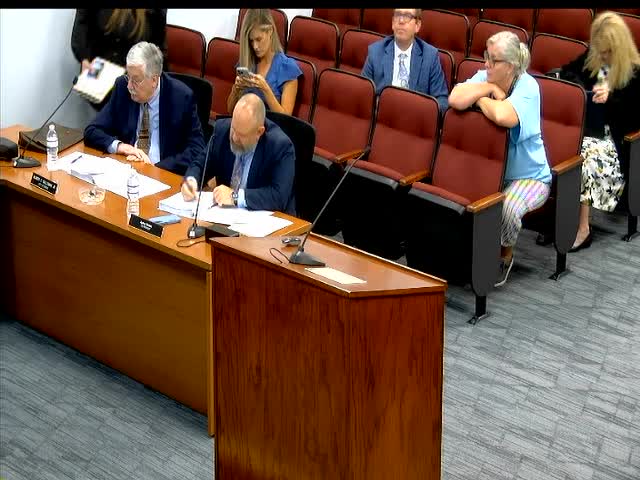
City parks staff presented a completed Parks and Open Space Master Plan to the Lake Wales City Commission and recommended focusing near‑term efforts on two projects: upgrades at Kiwanis Park and a phased expansion of the Hunt Brothers Sports Complex.
“First we’ll start with Crystal Lake Park… We’re looking to add dedicated pickleball courts, additional tennis courts, a pro shop restroom facility, paved parking, walking trails and enhancements to the facility in general,” the city’s parks director, Stephanie, said as she reviewed proposals for multiple parks. She then described larger, multi‑park proposals that together comprise the master plan, which staff estimated at about $140 million for full build‑out.
Because staff judged the full plan unaffordable in a single budget cycle, they proposed a narrower near‑term focus: Kiwanis Park (estimated about $12 million) and the Hunt Brothers Sports Complex expansion (estimated at about $50 million). Staff emphasized that the full plan would be phased and that smaller, targeted improvements would continue at other parks. Commissioner and staff remarks stressed the potential to combine local funds with county contributions and Tourism Development Council (TDC) dollars for sports tourism elements at Hunt Brothers.
“Every 1 of these could be phased in in a manner that, number 1, we can afford it,” the city manager said, describing a phased approach that staff argued could provide both community benefit and opportunities for sports tourism. The city manager and parks director said they had soft commitments from Polk County and the Tourism Development Council to help co‑fund Hunt Brothers expansion, but said final contribution terms were not yet settled.
Staff described possible phasing that could prioritize additional rectangle (multipurpose) fields and low‑maintenance turf fields to increase regional draw while limiting near‑term costs. The parks director noted estimated utilization: about 65,000 annual users at Hunt Brothers and roughly 100,000–102,000 visits at Crystal Lake Park over the past three years; Kiwanis utilization figures were not available at the presentation. Commissioners asked staff to provide utilization data by park and to pursue outreach and budgeting scenarios before formal commitments.
Commission discussion included equity and cost‑sharing considerations. Several commissioners noted that non‑city residents already make heavy use of sports facilities and recommended exploring resident vs. nonresident pricing or membership structures to improve fairness and cost recovery. Deputy Mayor Gibson urged a program to improve Lake Wales’ historic residential core that could enhance property values and CRA outcomes; Commissioner Thompson recommended considering conservation and water‑saving measures as part of broader infrastructure planning.
The commission received a briefing from George Smith, the city’s bond counsel, about options for financing large capital projects. Smith outlined that the city could pursue general obligation bond financing and explained that Chapter 100 of the Florida Statutes provides a path to hold a referendum (special or combined election) if the commission chose to put a bond measure to voters. He emphasized the need to define the proposed projects and educate voters; he also said the city’s charter and statute drive the schedule and ballot language for any referendum.
Finance staff said the city’s general fund reserves were about 20% (roughly $5.8 million) as of Sept. 30, 2024, and cautioned that the scale of park proposals would likely require debt financing or outside partners rather than pay‑as‑you‑go from the general fund alone. The finance director told the commission that staff would work with commissioners and potential partners to scope projects, assess costs and consider bond or other debt issuance options during the upcoming budget process and summer months.
No final funding decision or vote was taken. Commissioners signaled support for continuing intergovernmental discussions and for phased planning of Hunt Brothers and Kiwanis Park; staff was directed to pursue funding conversations with the county, TDC and other partners, to return with utilization data, and to bring financing scenarios (including bond options and phasing) into the budget process.
“First we’ll start with Crystal Lake Park… We’re looking to add dedicated pickleball courts, additional tennis courts, a pro shop restroom facility, paved parking, walking trails and enhancements to the facility in general,” the city’s parks director, Stephanie, said as she reviewed proposals for multiple parks. She then described larger, multi‑park proposals that together comprise the master plan, which staff estimated at about $140 million for full build‑out.
Because staff judged the full plan unaffordable in a single budget cycle, they proposed a narrower near‑term focus: Kiwanis Park (estimated about $12 million) and the Hunt Brothers Sports Complex expansion (estimated at about $50 million). Staff emphasized that the full plan would be phased and that smaller, targeted improvements would continue at other parks. Commissioner and staff remarks stressed the potential to combine local funds with county contributions and Tourism Development Council (TDC) dollars for sports tourism elements at Hunt Brothers.
“Every 1 of these could be phased in in a manner that, number 1, we can afford it,” the city manager said, describing a phased approach that staff argued could provide both community benefit and opportunities for sports tourism. The city manager and parks director said they had soft commitments from Polk County and the Tourism Development Council to help co‑fund Hunt Brothers expansion, but said final contribution terms were not yet settled.
Staff described possible phasing that could prioritize additional rectangle (multipurpose) fields and low‑maintenance turf fields to increase regional draw while limiting near‑term costs. The parks director noted estimated utilization: about 65,000 annual users at Hunt Brothers and roughly 100,000–102,000 visits at Crystal Lake Park over the past three years; Kiwanis utilization figures were not available at the presentation. Commissioners asked staff to provide utilization data by park and to pursue outreach and budgeting scenarios before formal commitments.
Commission discussion included equity and cost‑sharing considerations. Several commissioners noted that non‑city residents already make heavy use of sports facilities and recommended exploring resident vs. nonresident pricing or membership structures to improve fairness and cost recovery. Deputy Mayor Gibson urged a program to improve Lake Wales’ historic residential core that could enhance property values and CRA outcomes; Commissioner Thompson recommended considering conservation and water‑saving measures as part of broader infrastructure planning.
The commission received a briefing from George Smith, the city’s bond counsel, about options for financing large capital projects. Smith outlined that the city could pursue general obligation bond financing and explained that Chapter 100 of the Florida Statutes provides a path to hold a referendum (special or combined election) if the commission chose to put a bond measure to voters. He emphasized the need to define the proposed projects and educate voters; he also said the city’s charter and statute drive the schedule and ballot language for any referendum.
Finance staff said the city’s general fund reserves were about 20% (roughly $5.8 million) as of Sept. 30, 2024, and cautioned that the scale of park proposals would likely require debt financing or outside partners rather than pay‑as‑you‑go from the general fund alone. The finance director told the commission that staff would work with commissioners and potential partners to scope projects, assess costs and consider bond or other debt issuance options during the upcoming budget process and summer months.
No final funding decision or vote was taken. Commissioners signaled support for continuing intergovernmental discussions and for phased planning of Hunt Brothers and Kiwanis Park; staff was directed to pursue funding conversations with the county, TDC and other partners, to return with utilization data, and to bring financing scenarios (including bond options and phasing) into the budget process.
View the Full Meeting & All Its Details
This article offers just a summary. Unlock complete video, transcripts, and insights as a Founder Member.
✓
Watch full, unedited meeting videos
✓
Search every word spoken in unlimited transcripts
✓
AI summaries & real-time alerts (all government levels)
✓
Permanent access to expanding government content
30-day money-back guarantee
