Mineola launches K–6 "Neurotrition" curriculum with Adelphi interns and video library
May 08, 2025 | MINEOLA UNION FREE SCHOOL DISTRICT, School Districts, New York
This article was created by AI summarizing key points discussed. AI makes mistakes, so for full details and context, please refer to the video of the full meeting. Please report any errors so we can fix them. Report an error »
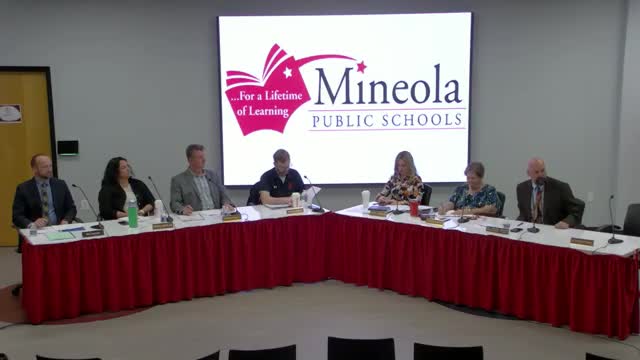
The Mineola Union Free School District presented a new K–6 nutrition education initiative, described by presenters as "Neurotrition," that pairs a video library, classroom lessons and hands‑on taste tests with a cohort of graduate interns from Adelphi University.
"Neurotrition: Eat smart and be smart," Ralph, an adjunct professor affiliated with Adelphi, told the board, describing a scaffolded curriculum designed to teach food literacy, healthy hydration and the connections between diet and brain function.
The program includes short instructional videos hosted on a district portal called Mineola Grows Healthy, scaffolded lessons for each grade band (K–2, 3–4, 5–6), in‑class taste tests and a seasonal printable cookbook. Staff said four graduate interns contributed lesson design and classroom presentations aligned with the curriculum, and district food services supported tastings and in‑class sampling.
Program components and classroom examples
- K–2: Sensory exploration and "build a perfect plate" lessons with supervised tastings of fruits and vegetables in first grade classrooms. Staff provided accompanying activity sheets.
- 3–4: Lessons on smart snack choices and food as a source of energy, linking nutrition to social‑emotional learning and classroom behavior.
- 5–6: Science‑level discussions about calories in vs. calories out, basal metabolic rate (BMR), sleep and the effects of energy drinks; a sample district video explained how energy drinks combine high caffeine and sugar and produce short‑term stimulation followed by a crash.
- Extras: A seasonal, printable cookbook compiled by the interns and a repository of lesson plans for teacher use.
Ralph said the program used locally produced videos (crediting videographer Steven Toronti) and that the interns' work will remain in a shared folder for teacher reuse. He noted the program intentionally avoids adding a heavy burden to teachers' workloads by having interns and media assets provide much of the content.
Why it matters: Board members praised the program for making nutrition lessons concrete and age‑appropriate. One trustee said a sixth grader in her household began discussing calories at home after the lessons, and staff said teachers reported children labeling some cafeteria items as "woah" foods (a classroom term used during instruction) and making healthier choices at snack time as a result of the lessons.
Attribution and classroom evidence
Presenters named several teachers and staff who participated: Kayla McKevney, Kayla Koch, Christine Gayson, Gerald Critchley, Jamie Durso and Nick Tannini. Videos featured student‑facing hosts and short dramatizations to engage learners: a presented clip on energy drinks used a fast‑paced, over‑the‑top style to make the health message memorable.
Implementation details and next steps
The interns are reported to be about 90% finished with a printable, seasonal cookbook to be paired with the video series. The district will host the materials on Mineola Grows Healthy and make them available to teachers for ongoing classroom use. District administrators emphasized the program's focus on food literacy, healthy hydration and connections between nutrition, mood and learning.
Sources and attribution
The description, direct quotes and program details come from the district presentation delivered by Ralph (Adjunct Professor, Adelphi University) and the superintendent's remarks introducing the initiative. Classroom examples, participating teacher names and the video excerpt were all presented to the Board during the meeting.
Ending: The board expressed support for the curriculum and its hands‑on approach; staff said the materials are available for teachers and will be posted for families to review on district platforms.
"Neurotrition: Eat smart and be smart," Ralph, an adjunct professor affiliated with Adelphi, told the board, describing a scaffolded curriculum designed to teach food literacy, healthy hydration and the connections between diet and brain function.
The program includes short instructional videos hosted on a district portal called Mineola Grows Healthy, scaffolded lessons for each grade band (K–2, 3–4, 5–6), in‑class taste tests and a seasonal printable cookbook. Staff said four graduate interns contributed lesson design and classroom presentations aligned with the curriculum, and district food services supported tastings and in‑class sampling.
Program components and classroom examples
- K–2: Sensory exploration and "build a perfect plate" lessons with supervised tastings of fruits and vegetables in first grade classrooms. Staff provided accompanying activity sheets.
- 3–4: Lessons on smart snack choices and food as a source of energy, linking nutrition to social‑emotional learning and classroom behavior.
- 5–6: Science‑level discussions about calories in vs. calories out, basal metabolic rate (BMR), sleep and the effects of energy drinks; a sample district video explained how energy drinks combine high caffeine and sugar and produce short‑term stimulation followed by a crash.
- Extras: A seasonal, printable cookbook compiled by the interns and a repository of lesson plans for teacher use.
Ralph said the program used locally produced videos (crediting videographer Steven Toronti) and that the interns' work will remain in a shared folder for teacher reuse. He noted the program intentionally avoids adding a heavy burden to teachers' workloads by having interns and media assets provide much of the content.
Why it matters: Board members praised the program for making nutrition lessons concrete and age‑appropriate. One trustee said a sixth grader in her household began discussing calories at home after the lessons, and staff said teachers reported children labeling some cafeteria items as "woah" foods (a classroom term used during instruction) and making healthier choices at snack time as a result of the lessons.
Attribution and classroom evidence
Presenters named several teachers and staff who participated: Kayla McKevney, Kayla Koch, Christine Gayson, Gerald Critchley, Jamie Durso and Nick Tannini. Videos featured student‑facing hosts and short dramatizations to engage learners: a presented clip on energy drinks used a fast‑paced, over‑the‑top style to make the health message memorable.
Implementation details and next steps
The interns are reported to be about 90% finished with a printable, seasonal cookbook to be paired with the video series. The district will host the materials on Mineola Grows Healthy and make them available to teachers for ongoing classroom use. District administrators emphasized the program's focus on food literacy, healthy hydration and connections between nutrition, mood and learning.
Sources and attribution
The description, direct quotes and program details come from the district presentation delivered by Ralph (Adjunct Professor, Adelphi University) and the superintendent's remarks introducing the initiative. Classroom examples, participating teacher names and the video excerpt were all presented to the Board during the meeting.
Ending: The board expressed support for the curriculum and its hands‑on approach; staff said the materials are available for teachers and will be posted for families to review on district platforms.
View the Full Meeting & All Its Details
This article offers just a summary. Unlock complete video, transcripts, and insights as a Founder Member.
✓
Watch full, unedited meeting videos
✓
Search every word spoken in unlimited transcripts
✓
AI summaries & real-time alerts (all government levels)
✓
Permanent access to expanding government content
30-day money-back guarantee
