OMB: Municipality about 58% through fiscal year, 51% of budget spent; labor and venue timing driving variances
August 22, 2025 | Anchorage Municipality, Alaska
This article was created by AI summarizing key points discussed. AI makes mistakes, so for full details and context, please refer to the video of the full meeting. Please report any errors so we can fix them. Report an error »
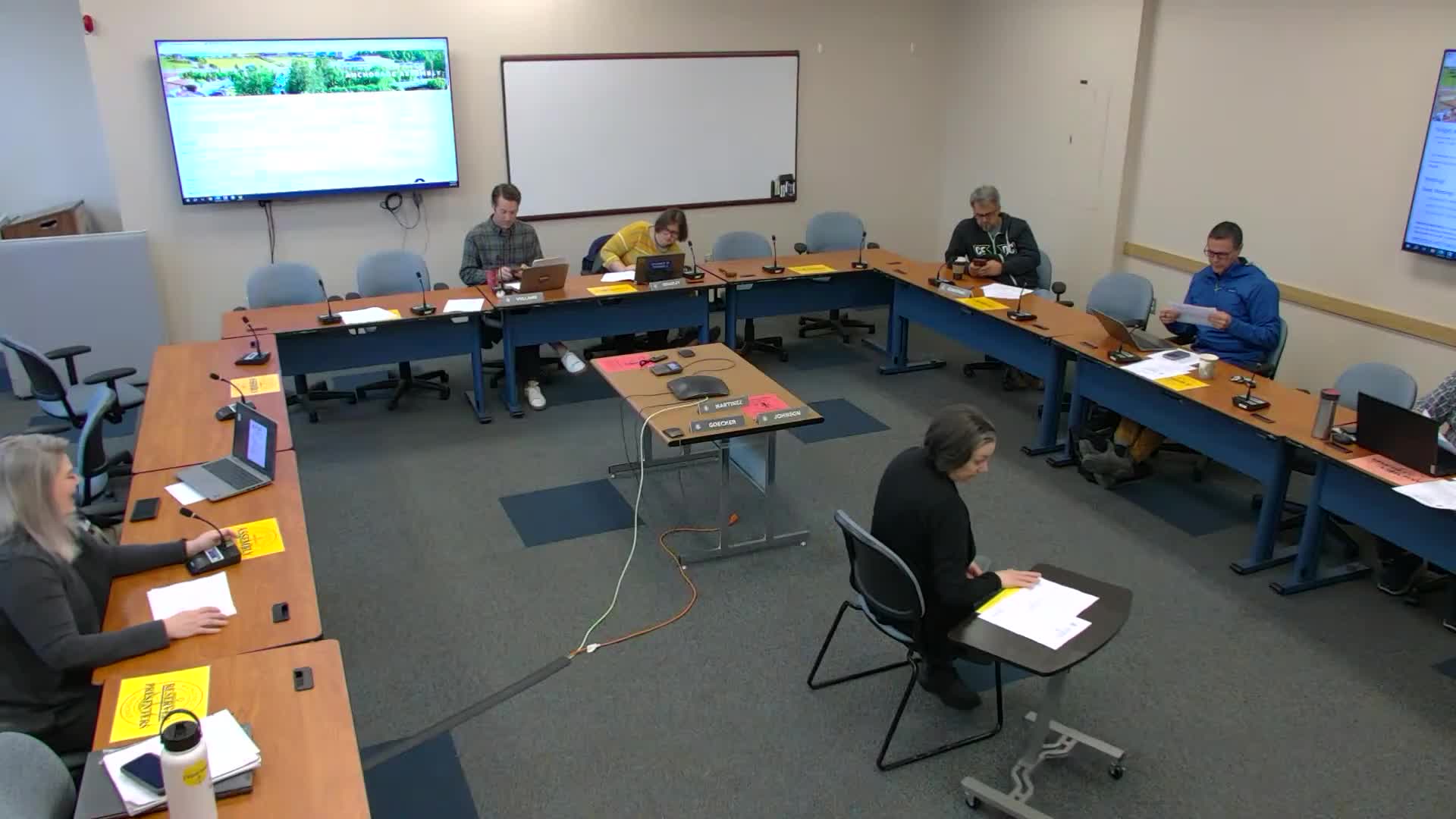
The Office of Management and Budget (OMB) briefed the Assembly Budget and Finance Committee on Aug. 21 that the city is roughly 58% of the way through the fiscal year and about 51% spent as of July 31, with non‑labor timing and venue contracts causing early variances, OMB told the committee.
OMB Director (recorded in the meeting as “Brows”) told members: “we are about 58% through the year ... and this was run yesterday to cover everything that's in the system through July 31. ... you'll see on the first page ... that we are 51% spent.”
Why it matters: Mid‑year budget execution data informs whether departments are on track and where additional scrutiny is needed ahead of the 2026 budget process. The report showed labor spending generally tracking nearer budgeted targets while non‑labor obligations — professional services, supplies and large venue contracts — have created an early imbalance.
Major points from OMB’s presentation:
- Labor versus non‑labor: Across the municipality the labor side was about 54% spent while non‑labor was about 48% spent; OMB noted large early payments for venues and contracts push non‑labor spending high in the first months.
- Department timing and vacancies: OMB said earlier vacancy counts have moderated but remain a factor in how labor spending trends through the year. Director’s office and municipal manager budgets shifted some line items this budget cycle, moving venue and risk items into the chief administrative officer’s budget.
- Overtime and unpredictability: The committee reviewed an overtime report showing variation between 2024 and 2025. OMB said overtime budgeting is difficult to predict, particularly for user‑heavy departments such as fire and police. “Their OT usage does climb in certain time frames,” the director said, noting recent labor negotiations and operational events increased OT usage this year.
- Contracted labor: Assembly member Christopher Constant asked for an historical report on contracted labor versus in‑house staffing; he said replacing staff with contractors has been a persistent trend across recent years. Constant said, “it would be amazing to see a report ... trends over about the last 8 years of shifting labor to contracts and then where we can target bringing it back to the workforce.” OMB agreed to review the numbers and provide analysis.
Additional details: Travel was reported separately with about $275,000 remaining in the municipal travel pool; OMB described travel as a controlled cost item that stands alone in reporting. OMB said it will probe underspent lines (for example, maintenance and operations and the municipal manager) to provide explanations in future reports.
Next steps: OMB will provide follow‑up analysis on overtime drivers and the requested contracted‑labor trend report to inform 2026 budget deliberations.
All figures and descriptions above were presented to the Assembly Budget and Finance Committee at the Aug. 21 public meeting by the OMB director and discussed by assembly members.
OMB Director (recorded in the meeting as “Brows”) told members: “we are about 58% through the year ... and this was run yesterday to cover everything that's in the system through July 31. ... you'll see on the first page ... that we are 51% spent.”
Why it matters: Mid‑year budget execution data informs whether departments are on track and where additional scrutiny is needed ahead of the 2026 budget process. The report showed labor spending generally tracking nearer budgeted targets while non‑labor obligations — professional services, supplies and large venue contracts — have created an early imbalance.
Major points from OMB’s presentation:
- Labor versus non‑labor: Across the municipality the labor side was about 54% spent while non‑labor was about 48% spent; OMB noted large early payments for venues and contracts push non‑labor spending high in the first months.
- Department timing and vacancies: OMB said earlier vacancy counts have moderated but remain a factor in how labor spending trends through the year. Director’s office and municipal manager budgets shifted some line items this budget cycle, moving venue and risk items into the chief administrative officer’s budget.
- Overtime and unpredictability: The committee reviewed an overtime report showing variation between 2024 and 2025. OMB said overtime budgeting is difficult to predict, particularly for user‑heavy departments such as fire and police. “Their OT usage does climb in certain time frames,” the director said, noting recent labor negotiations and operational events increased OT usage this year.
- Contracted labor: Assembly member Christopher Constant asked for an historical report on contracted labor versus in‑house staffing; he said replacing staff with contractors has been a persistent trend across recent years. Constant said, “it would be amazing to see a report ... trends over about the last 8 years of shifting labor to contracts and then where we can target bringing it back to the workforce.” OMB agreed to review the numbers and provide analysis.
Additional details: Travel was reported separately with about $275,000 remaining in the municipal travel pool; OMB described travel as a controlled cost item that stands alone in reporting. OMB said it will probe underspent lines (for example, maintenance and operations and the municipal manager) to provide explanations in future reports.
Next steps: OMB will provide follow‑up analysis on overtime drivers and the requested contracted‑labor trend report to inform 2026 budget deliberations.
All figures and descriptions above were presented to the Assembly Budget and Finance Committee at the Aug. 21 public meeting by the OMB director and discussed by assembly members.
View the Full Meeting & All Its Details
This article offers just a summary. Unlock complete video, transcripts, and insights as a Founder Member.
✓
Watch full, unedited meeting videos
✓
Search every word spoken in unlimited transcripts
✓
AI summaries & real-time alerts (all government levels)
✓
Permanent access to expanding government content
30-day money-back guarantee
