Performers, unions back bill requiring clear consent for digital replicas of voices and likenesses
September 11, 2025 | 2025 Legislature MA, Massachusetts
This article was created by AI summarizing key points discussed. AI makes mistakes, so for full details and context, please refer to the video of the full meeting. Please report any errors so we can fix them. Report an error »
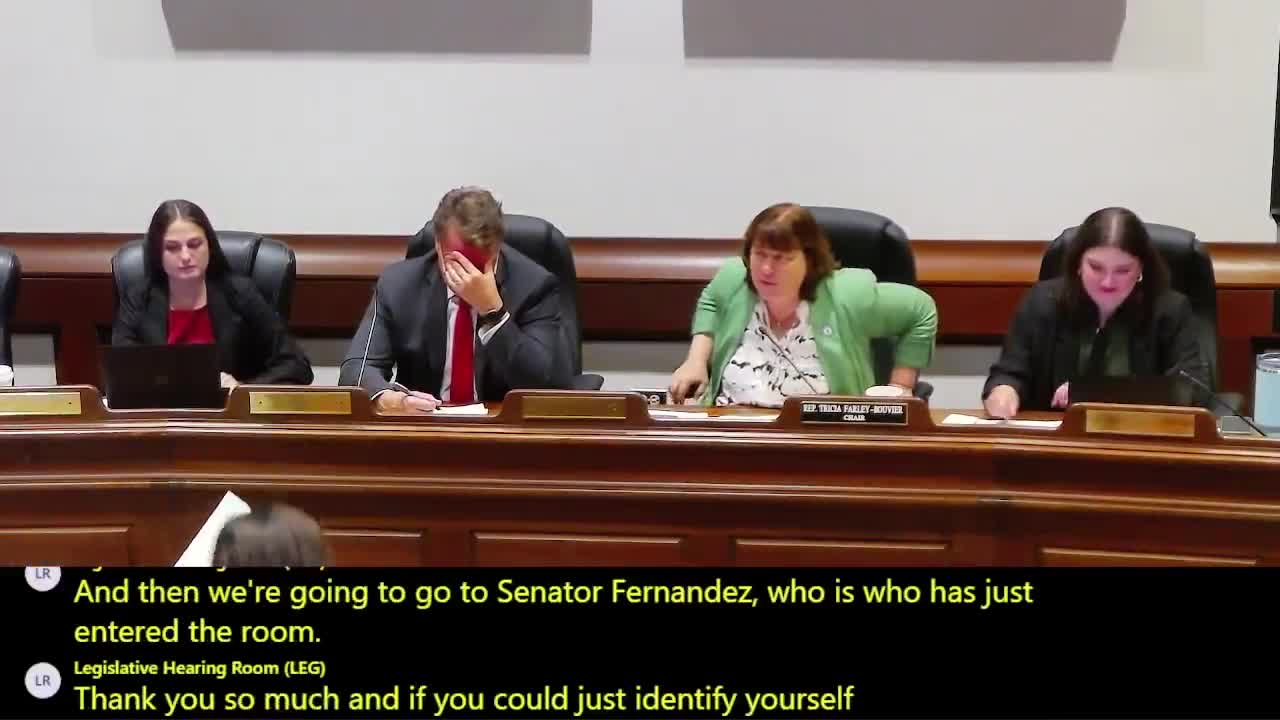
SAG‑AFTRA New England and performers urged the Joint Committee to report House Bill 74 favorably and to require clear, conspicuous contract language before digital replica rights are assigned.
Witnesses told the committee that current standard contracts can bury language granting perpetual or broad rights to use a performer’s voice or likeness in ways the signer does not expect. House Bill 74 would not ban transfers of digital replica rights but would require that contracts be specific about the scope, media and intended uses so performers can give informed consent.
"This bill requires contracts to clearly and conspicuously state digital replica rights and terms and to be reasonably specific in describing the intended uses of the digital replica," said Jessica Marr, executive director of SAG‑AFTRA New England. Marr told the committee the measure follows laws recently passed in California and New York and would protect performers and creative professionals who may lack bargaining leverage.
Performer Andrea Lyman testified that the legislation is about preserving livelihoods and ensuring consent. "When we enter into agreements, it must be with informed consent, ensuring that we can continue to make a living from our work," she said.
SAG‑AFTRA witnesses urged the committee to advance H74 alongside other AI‑related bills, including the FAIR Act, noting that protections for digital likenesses and worker surveillance can be complementary parts of a broader approach to AI governance.
The committee took no final action at the hearing; advocates submitted written testimony and requested continued engagement on contract language and enforcement mechanisms.
Less critical details: witnesses emphasized the need for reasonable representation and compensation protocols when performers agree to transfer digital replica rights.
Witnesses told the committee that current standard contracts can bury language granting perpetual or broad rights to use a performer’s voice or likeness in ways the signer does not expect. House Bill 74 would not ban transfers of digital replica rights but would require that contracts be specific about the scope, media and intended uses so performers can give informed consent.
"This bill requires contracts to clearly and conspicuously state digital replica rights and terms and to be reasonably specific in describing the intended uses of the digital replica," said Jessica Marr, executive director of SAG‑AFTRA New England. Marr told the committee the measure follows laws recently passed in California and New York and would protect performers and creative professionals who may lack bargaining leverage.
Performer Andrea Lyman testified that the legislation is about preserving livelihoods and ensuring consent. "When we enter into agreements, it must be with informed consent, ensuring that we can continue to make a living from our work," she said.
SAG‑AFTRA witnesses urged the committee to advance H74 alongside other AI‑related bills, including the FAIR Act, noting that protections for digital likenesses and worker surveillance can be complementary parts of a broader approach to AI governance.
The committee took no final action at the hearing; advocates submitted written testimony and requested continued engagement on contract language and enforcement mechanisms.
Less critical details: witnesses emphasized the need for reasonable representation and compensation protocols when performers agree to transfer digital replica rights.
Don't Miss a Word: See the Full Meeting!
Go beyond summaries. Unlock every video, transcript, and key insight with a Founder Membership.
✓
Get instant access to full meeting videos
✓
Search and clip any phrase from complete transcripts
✓
Receive AI-powered summaries & custom alerts
✓
Enjoy lifetime, unrestricted access to government data
30-day money-back guarantee
