Draft impact‑fee ordinance would tie water/sewer assessments to new service needs, county staff say
August 28, 2025 | Hocking County, Ohio
This article was created by AI summarizing key points discussed. AI makes mistakes, so for full details and context, please refer to the video of the full meeting. Please report any errors so we can fix them. Report an error »
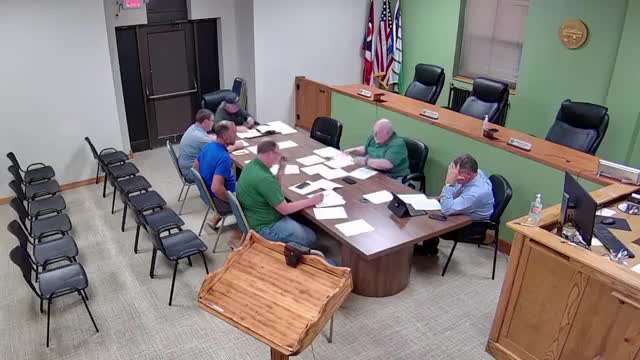
At the Aug. 28 Papa County Zoning Commission meeting, staff and consultant David presented a draft impact‑fee ordinance that would set a fee schedule for road, fire and emergency services and use a different approach for water and sewer costs where those utilities do not already serve a development site.
David explained that standard impact‑fee ordinances commonly list a per‑unit cost for roads or fire/EMS; the draft follows that pattern for certain services. For water and sewer, however, the draft would require a developer to pay the cost to extend infrastructure to a site that currently lacks public water and sewer service when those utilities are required by the development. David said the intent is to make development in locations without infrastructure more expensive and therefore less likely, an outcome the consultant described as a tool to reduce pressure for commercial development in remote park and sensitive areas while steering projects toward areas with existing infrastructure.
Commissioners raised practical questions — for example whether a private single‑family house built without a connection to public water or sewer would owe the fee. David and staff clarified the distinction: an impact fee would apply when water or sewer service is required by the development; routine private wells or septic systems where no public utility is being extended would not be billed under this provision. Staff said they will sharpen the language in the draft to reflect that intent.
Section 5 in the draft addresses legally required uses of collected funds and a time limit for spending before refunding, which David said is important to satisfy legal constraints on impact fees. The draft also contains a credits and exemptions section; David emphasized that the commission should send determinations about credits or exemptions (for example for affordable housing or nonprofit projects) to the county commissioners for public deliberation rather than delegating blanket authority to the administrator.
Commissioners asked what basis the county will use to calculate fee amounts. David said staff will review comparable ordinances and state practice and compute fees consistent with area costs; the draft currently contains highlighted placeholders for fee numbers.
No vote was taken. Staff asked for written comments and said the draft will be revised and circulated ahead of a future meeting and public hearing.
David explained that standard impact‑fee ordinances commonly list a per‑unit cost for roads or fire/EMS; the draft follows that pattern for certain services. For water and sewer, however, the draft would require a developer to pay the cost to extend infrastructure to a site that currently lacks public water and sewer service when those utilities are required by the development. David said the intent is to make development in locations without infrastructure more expensive and therefore less likely, an outcome the consultant described as a tool to reduce pressure for commercial development in remote park and sensitive areas while steering projects toward areas with existing infrastructure.
Commissioners raised practical questions — for example whether a private single‑family house built without a connection to public water or sewer would owe the fee. David and staff clarified the distinction: an impact fee would apply when water or sewer service is required by the development; routine private wells or septic systems where no public utility is being extended would not be billed under this provision. Staff said they will sharpen the language in the draft to reflect that intent.
Section 5 in the draft addresses legally required uses of collected funds and a time limit for spending before refunding, which David said is important to satisfy legal constraints on impact fees. The draft also contains a credits and exemptions section; David emphasized that the commission should send determinations about credits or exemptions (for example for affordable housing or nonprofit projects) to the county commissioners for public deliberation rather than delegating blanket authority to the administrator.
Commissioners asked what basis the county will use to calculate fee amounts. David said staff will review comparable ordinances and state practice and compute fees consistent with area costs; the draft currently contains highlighted placeholders for fee numbers.
No vote was taken. Staff asked for written comments and said the draft will be revised and circulated ahead of a future meeting and public hearing.
Don't Miss a Word: See the Full Meeting!
Go beyond summaries. Unlock every video, transcript, and key insight with a Founder Membership.
✓
Get instant access to full meeting videos
✓
Search and clip any phrase from complete transcripts
✓
Receive AI-powered summaries & custom alerts
✓
Enjoy lifetime, unrestricted access to government data
30-day money-back guarantee
