Board hears updates on Morgantown High kitchen renovation; parents, dietitian press for better lunches
August 27, 2025 | MONONGALIA COUNTY SCHOOLS, School Districts, West Virginia
This article was created by AI summarizing key points discussed. AI makes mistakes, so for full details and context, please refer to the video of the full meeting. Please report any errors so we can fix them. Report an error »
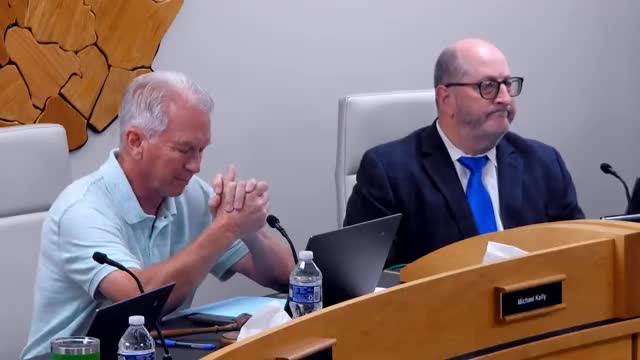
The Monongalia County Board of Education received an update on the Morgantown High School kitchen renovation and temporary lunch service, and heard parents and a registered dietitian press the district for more freshly prepared, higher‑protein meals.
Superintendent (name not specified) told the board the district is renovating MHS’s kitchen and library and that the project will “have a modern expanded kitchen, at Morgantown High School, which has long been overdue.” He said the district has revised the temporary menu after initial complaints and will partner with Mountain State Harvest and Oliverio’s to provide hot lunches while the school’s kitchen is offline. “All of the meals will be prepared, in Oliverio’s cafe, kitchen, being prepared at the hands of of our cooks in conjunction, with their staff,” the superintendent said. He added that Oliverio’s will transport the food so it “is transferred, safely and will remain warm, for our students.”
Why it matters: Board members and community speakers said meal quality affects learning and behavior. Helena Sadalski, a registered dietitian who identified herself in public comment, praised the board for addressing timing and temporary provisions but urged the district to use the renovation as an opportunity to move “towards preparing more meals from scratch and fewer prepackaged or reheated items.” She said, “Freshly prepared meals not only support better nutrition but also show students that their health and well-being are truly a priority.”
What board members asked and said: Board members and other speakers raised repeated concerns about meal composition, portion sizes and timing. One board member said, “our children need more protein. And protein is what fuels brains,” and noted some students eat their school lunch as early as 10:30 a.m. Another board member and parent raised concerns about breakfasts offered as grab‑and‑go cereal and asked whether portable protein options (cheese sticks, yogurt) could be added. The superintendent and staff repeatedly said menus must meet federal and state nutrition standards and be approved by the West Virginia Department of Education. The superintendent also noted budgetary constraints and said the district contributes more than $1 million from its operational budget to its food service program because state/federal reimbursements do not fully cover costs for the county.
What is changing now: The district said it added supplemental items to the temporary menu for the week of the meeting and that a revised hot lunch plan will begin after Labor Day. Those temporary arrangements are intended only until the renovated kitchen is back online.
What the record shows and next steps: The board did not take formal action on meal policy at this meeting; the discussion was informational and to solicit feedback. Board members said menus and service models can be revisited and that child nutrition staff track daily participation to guide menu planning. Community members asked for a broader review of menu composition and for district staff to consult nutrition professionals as part of future menu planning.
Ending: School officials emphasized the renovation goal of a modernized kitchen that will serve students for years and said they will continue to refine temporary meal service while construction continues.
Superintendent (name not specified) told the board the district is renovating MHS’s kitchen and library and that the project will “have a modern expanded kitchen, at Morgantown High School, which has long been overdue.” He said the district has revised the temporary menu after initial complaints and will partner with Mountain State Harvest and Oliverio’s to provide hot lunches while the school’s kitchen is offline. “All of the meals will be prepared, in Oliverio’s cafe, kitchen, being prepared at the hands of of our cooks in conjunction, with their staff,” the superintendent said. He added that Oliverio’s will transport the food so it “is transferred, safely and will remain warm, for our students.”
Why it matters: Board members and community speakers said meal quality affects learning and behavior. Helena Sadalski, a registered dietitian who identified herself in public comment, praised the board for addressing timing and temporary provisions but urged the district to use the renovation as an opportunity to move “towards preparing more meals from scratch and fewer prepackaged or reheated items.” She said, “Freshly prepared meals not only support better nutrition but also show students that their health and well-being are truly a priority.”
What board members asked and said: Board members and other speakers raised repeated concerns about meal composition, portion sizes and timing. One board member said, “our children need more protein. And protein is what fuels brains,” and noted some students eat their school lunch as early as 10:30 a.m. Another board member and parent raised concerns about breakfasts offered as grab‑and‑go cereal and asked whether portable protein options (cheese sticks, yogurt) could be added. The superintendent and staff repeatedly said menus must meet federal and state nutrition standards and be approved by the West Virginia Department of Education. The superintendent also noted budgetary constraints and said the district contributes more than $1 million from its operational budget to its food service program because state/federal reimbursements do not fully cover costs for the county.
What is changing now: The district said it added supplemental items to the temporary menu for the week of the meeting and that a revised hot lunch plan will begin after Labor Day. Those temporary arrangements are intended only until the renovated kitchen is back online.
What the record shows and next steps: The board did not take formal action on meal policy at this meeting; the discussion was informational and to solicit feedback. Board members said menus and service models can be revisited and that child nutrition staff track daily participation to guide menu planning. Community members asked for a broader review of menu composition and for district staff to consult nutrition professionals as part of future menu planning.
Ending: School officials emphasized the renovation goal of a modernized kitchen that will serve students for years and said they will continue to refine temporary meal service while construction continues.
Don't Miss a Word: See the Full Meeting!
Go beyond summaries. Unlock every video, transcript, and key insight with a Founder Membership.
✓
Get instant access to full meeting videos
✓
Search and clip any phrase from complete transcripts
✓
Receive AI-powered summaries & custom alerts
✓
Enjoy lifetime, unrestricted access to government data
30-day money-back guarantee
