Fraser adopts 2025 sidewalk and pathway gap master plan to target missing links and funding
June 13, 2025 | Fraser, Macomb County, Michigan
This article was created by AI summarizing key points discussed. AI makes mistakes, so for full details and context, please refer to the video of the full meeting. Please report any errors so we can fix them. Report an error »
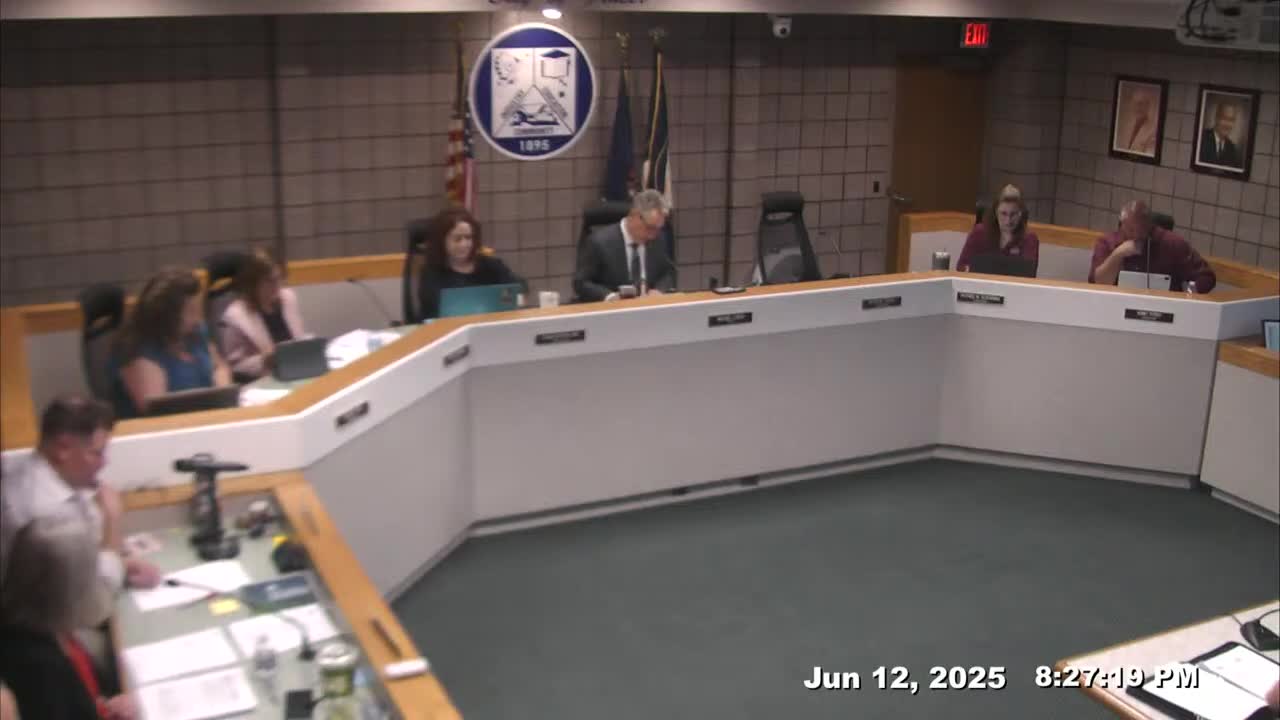
Fraser — The Fraser City Council adopted the city’s 2025 Sidewalk and Pathway Gap Master Plan on Monday, a strategic prioritization of missing sidewalks and pedestrian connections across the city.
McKenna Associate Planner Ashley Jankowski and AEW engineer Ashley Carpenter presented the plan, which McKenna prepared with a grant from a Complete Streets and Corridor Safety planning program (described in the presentation as "cogs, complete streets and corridor safety planning program"). The plan inventories roughly 66 miles of existing sidewalks, overlays sidewalk gaps with demographic factors such as disability and vehicle access, and ranks projects with six criteria: gap severity, safety, equity, connectivity, proximity to transit/schools/parks and community/city prioritization.
The plan recommends near‑term priorities that include Mulvey Road (14 Mile to Garfield, and Utica to Garfield), Utica Road (13 Mile to Masonic and Utica to Garfield), Hayes Road (13 Mile to 15 Mile) and Garfield Road (Utica to 15 Mile). Staff said the plan also includes phased recommendations for near‑term (0–5 years), mid‑term (5–20 years) and long‑term projects and a menu of funding programs, and that the city should be opportunistic about grant opportunities.
Jankowski said the project team gathered public input via an online mapping tool, a sidewalk survey (84 responses), pop‑up events and outreach to the Planning and Recreation commissions. Council members asked about right‑of‑way and design details — for example, why Mulvey’s sidewalk would change sides at a block — and staff answered that engineering, right‑of‑way constraints and existing conditions informed alignments.
Why it matters: The plan establishes a data‑driven list of projects the city can use to pursue grants and coordinate capital planning, and highlights equity and school/safety connections for funding programs like Safe Routes to School.
What’s next: The plan’s adoption authorizes staff to use the prioritized list in grant applications and capital improvement planning; specific projects will require design, right‑of‑way assessment and separate construction funding.
McKenna Associate Planner Ashley Jankowski and AEW engineer Ashley Carpenter presented the plan, which McKenna prepared with a grant from a Complete Streets and Corridor Safety planning program (described in the presentation as "cogs, complete streets and corridor safety planning program"). The plan inventories roughly 66 miles of existing sidewalks, overlays sidewalk gaps with demographic factors such as disability and vehicle access, and ranks projects with six criteria: gap severity, safety, equity, connectivity, proximity to transit/schools/parks and community/city prioritization.
The plan recommends near‑term priorities that include Mulvey Road (14 Mile to Garfield, and Utica to Garfield), Utica Road (13 Mile to Masonic and Utica to Garfield), Hayes Road (13 Mile to 15 Mile) and Garfield Road (Utica to 15 Mile). Staff said the plan also includes phased recommendations for near‑term (0–5 years), mid‑term (5–20 years) and long‑term projects and a menu of funding programs, and that the city should be opportunistic about grant opportunities.
Jankowski said the project team gathered public input via an online mapping tool, a sidewalk survey (84 responses), pop‑up events and outreach to the Planning and Recreation commissions. Council members asked about right‑of‑way and design details — for example, why Mulvey’s sidewalk would change sides at a block — and staff answered that engineering, right‑of‑way constraints and existing conditions informed alignments.
Why it matters: The plan establishes a data‑driven list of projects the city can use to pursue grants and coordinate capital planning, and highlights equity and school/safety connections for funding programs like Safe Routes to School.
What’s next: The plan’s adoption authorizes staff to use the prioritized list in grant applications and capital improvement planning; specific projects will require design, right‑of‑way assessment and separate construction funding.
Don't Miss a Word: See the Full Meeting!
Go beyond summaries. Unlock every video, transcript, and key insight with a Founder Membership.
✓
Get instant access to full meeting videos
✓
Search and clip any phrase from complete transcripts
✓
Receive AI-powered summaries & custom alerts
✓
Enjoy lifetime, unrestricted access to government data
30-day money-back guarantee
