Core Power Magnetics and University of Pittsburgh partner to commercialize advanced magnetic alloys and train workers
August 21, 2025 | Community and Economic Development, Other State Agencies, Organizations, Executive, Pennsylvania
This article was created by AI summarizing key points discussed. AI makes mistakes, so for full details and context, please refer to the video of the full meeting. Please report any errors so we can fix them. Report an error »
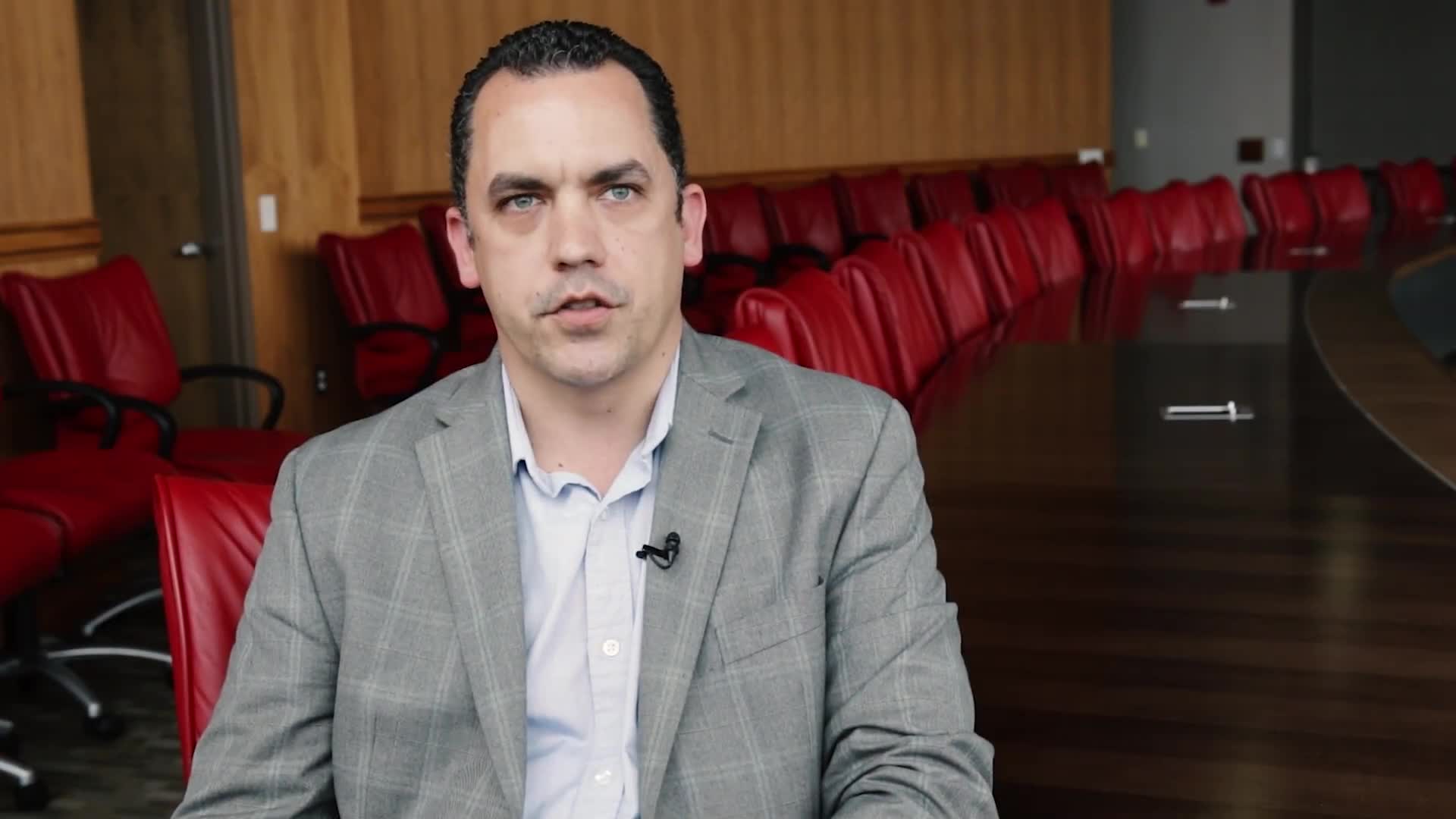
Paulo Hodnicki, cofounder and chief technology officer of Core Power Magnetics and a University of Pittsburgh faculty member, said in a presentation that his company is partnering with the university to commercialize advanced soft magnetic alloys used in electric-vehicle motors and solid-state transformers and to develop student training to address industry workforce shortages.
Hodnicki said the collaboration will focus on upgrading annealing capabilities with an inline manufacturing process and on hands-on training for students to build a workforce pipeline for the industry.
"CorePower has a very unique, scalable manufacturing technology for amorphous and nanocrystalline alloys," Hodnicki said. "These are advanced soft magnetic alloys used in applications like motors for electric vehicles or advanced solid state transformers." He said one of the major market bottlenecks is finding "personnel and trained students with the right capabilities," and that training students through the partnership should help both the industry and Core Power.
Hodnicki described Pennsylvania as having a strong industry base for soft magnetic materials, citing activity in Southeastern Pennsylvania, Southwestern Pennsylvania and Western Pennsylvania. He said Pittsburgh’s history in steel and electric power gives the city "a natural fusion" of capabilities for next-generation magnetic materials and higher-efficiency products needed for electrification.
The presentation did not include a formal vote or request for funding, and no action was recorded during the meeting. Hodnicki identified the University of Pittsburgh as a partner because of its material science, advanced manufacturing and electrical engineering capabilities and described the university as balancing technical expertise with a pragmatic approach to real-world problems.
The remarks were informational: they outlined the company’s technology and the partnership’s goals (manufacturing upgrades and workforce development) but did not commit the university or any government body to specific funding, contracts or regulatory steps.
Hodnicki said the collaboration will focus on upgrading annealing capabilities with an inline manufacturing process and on hands-on training for students to build a workforce pipeline for the industry.
"CorePower has a very unique, scalable manufacturing technology for amorphous and nanocrystalline alloys," Hodnicki said. "These are advanced soft magnetic alloys used in applications like motors for electric vehicles or advanced solid state transformers." He said one of the major market bottlenecks is finding "personnel and trained students with the right capabilities," and that training students through the partnership should help both the industry and Core Power.
Hodnicki described Pennsylvania as having a strong industry base for soft magnetic materials, citing activity in Southeastern Pennsylvania, Southwestern Pennsylvania and Western Pennsylvania. He said Pittsburgh’s history in steel and electric power gives the city "a natural fusion" of capabilities for next-generation magnetic materials and higher-efficiency products needed for electrification.
The presentation did not include a formal vote or request for funding, and no action was recorded during the meeting. Hodnicki identified the University of Pittsburgh as a partner because of its material science, advanced manufacturing and electrical engineering capabilities and described the university as balancing technical expertise with a pragmatic approach to real-world problems.
The remarks were informational: they outlined the company’s technology and the partnership’s goals (manufacturing upgrades and workforce development) but did not commit the university or any government body to specific funding, contracts or regulatory steps.
Don't Miss a Word: See the Full Meeting!
Go beyond summaries. Unlock every video, transcript, and key insight with a Founder Membership.
✓
Get instant access to full meeting videos
✓
Search and clip any phrase from complete transcripts
✓
Receive AI-powered summaries & custom alerts
✓
Enjoy lifetime, unrestricted access to government data
30-day money-back guarantee
