Bridgewater-Raynham district reports staff cuts, high school takes largest hit as class sizes rise
August 21, 2025 | Bridgewater-Raynham, School Boards, Massachusetts
This article was created by AI summarizing key points discussed. AI makes mistakes, so for full details and context, please refer to the video of the full meeting. Please report any errors so we can fix them. Report an error »
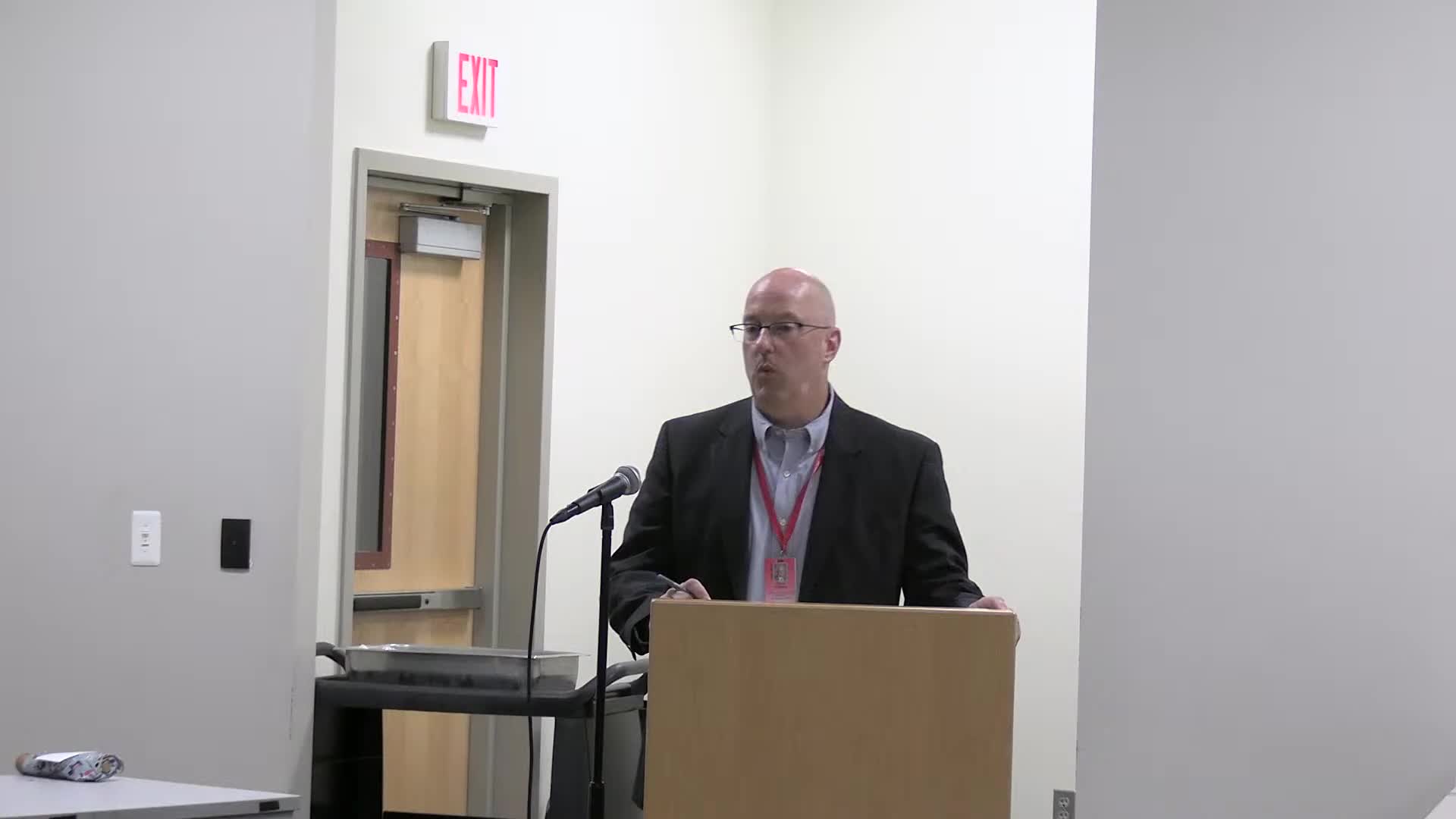
Superintendent Powers told the Bridgewater‑Raynham Regional School Committee on Aug. 20 that the district is "officially off of 1 12 budget," a change that will allow monthly assessments from the towns to resume and permit some previously frozen spending.
The announcement came amid a wide staffing and enrollment briefing that showed net reductions in teaching positions across the district, transfers intended to limit classroom disruption and rising class‑size averages in several schools.
Why it matters: Committee members and the superintendent said the staffing and class‑size shifts will affect instruction starting this school year, particularly in early grades where teachers focus on foundational literacy, and at the high school where the district eliminated many classes.
Powers said the district was able to hire what he described as "17 new educators" but also moved staff internally to cover gaps. He said the budget change lets the district start spending on materials and facility maintenance after a hiring and spending freeze. "We are now officially off of 1 12 budget," Powers said.
In the briefing, Powers and staff presented school‑level staffing changes and class‑size projections. Key details cited by the superintendent and staff included:
- High school: described as the building that "has taken the largest hit," the presentation said the high school is down 21 positions in total (20 teaching positions plus one guidance counselor), with 5 retirements not filled, 5 transfers to middle schools and 11 positions not filled due to layoffs.
- O'Donoghue Middle School: down three positions overall, with grade‑level class sizes reported in the low 30s (examples cited: 31.4, 32.6, 32.3 for grades 6–8 on one site).
- RMS (middle school labeled RMS in the briefing): down five positions, two due to retirement and three not filled; cited class averages included 33 for grade 5 and up to 35.4 for grade 7 in one projection.
- Mitchell Elementary and other elementary sites: staffing shifted by internal transfers; Powers said some schools did not lose "positions" on paper because staff were moved from elsewhere.
Committee member Carmen Zambrano, who said many parents and students had raised concerns, said anecdotal reports include seniors now having extra study halls. "Most seniors at this point have 2 study halls at the high school, which is disappointing," she said.
Board members asked for more precise reporting on how many classes were reduced at the high school; one committee member said the number being discussed was "approximately 40 classes" cut at the high school, a figure cited in public comments during the meeting. The superintendent said he would add more detail — for example, how many distinct classes were removed — to future materials.
The committee and administrators also discussed withdrawals and expected enrollments. Powers said enrollment and withdrawals are changing daily and provided example counts for students projected to move out in specific grades. He said some estimates (one cited figure was roughly 80–100 pending enrollments) were preliminary and subject to change.
Proctor staffing and pay were raised as a distinct issue: the district reported roughly 14 proctors on staff after recent reductions, and that a 2% pay increase would cost about $9,534 for the fiscal year. Powers and budget staff said proctor pay had not been reviewed consistently in recent years.
The committee requested ongoing updates. The superintendent said the district will share updated staffing documents publicly as numbers solidify and will discuss class size and potential mitigation with town officials at upcoming joint meetings.
Looking ahead: Administrators said they will continue to monitor enrollment changes, provide more detailed breakdowns of class reductions at the high school, and report additional staffing and spending proposals to the committee in September and October.
The announcement came amid a wide staffing and enrollment briefing that showed net reductions in teaching positions across the district, transfers intended to limit classroom disruption and rising class‑size averages in several schools.
Why it matters: Committee members and the superintendent said the staffing and class‑size shifts will affect instruction starting this school year, particularly in early grades where teachers focus on foundational literacy, and at the high school where the district eliminated many classes.
Powers said the district was able to hire what he described as "17 new educators" but also moved staff internally to cover gaps. He said the budget change lets the district start spending on materials and facility maintenance after a hiring and spending freeze. "We are now officially off of 1 12 budget," Powers said.
In the briefing, Powers and staff presented school‑level staffing changes and class‑size projections. Key details cited by the superintendent and staff included:
- High school: described as the building that "has taken the largest hit," the presentation said the high school is down 21 positions in total (20 teaching positions plus one guidance counselor), with 5 retirements not filled, 5 transfers to middle schools and 11 positions not filled due to layoffs.
- O'Donoghue Middle School: down three positions overall, with grade‑level class sizes reported in the low 30s (examples cited: 31.4, 32.6, 32.3 for grades 6–8 on one site).
- RMS (middle school labeled RMS in the briefing): down five positions, two due to retirement and three not filled; cited class averages included 33 for grade 5 and up to 35.4 for grade 7 in one projection.
- Mitchell Elementary and other elementary sites: staffing shifted by internal transfers; Powers said some schools did not lose "positions" on paper because staff were moved from elsewhere.
Committee member Carmen Zambrano, who said many parents and students had raised concerns, said anecdotal reports include seniors now having extra study halls. "Most seniors at this point have 2 study halls at the high school, which is disappointing," she said.
Board members asked for more precise reporting on how many classes were reduced at the high school; one committee member said the number being discussed was "approximately 40 classes" cut at the high school, a figure cited in public comments during the meeting. The superintendent said he would add more detail — for example, how many distinct classes were removed — to future materials.
The committee and administrators also discussed withdrawals and expected enrollments. Powers said enrollment and withdrawals are changing daily and provided example counts for students projected to move out in specific grades. He said some estimates (one cited figure was roughly 80–100 pending enrollments) were preliminary and subject to change.
Proctor staffing and pay were raised as a distinct issue: the district reported roughly 14 proctors on staff after recent reductions, and that a 2% pay increase would cost about $9,534 for the fiscal year. Powers and budget staff said proctor pay had not been reviewed consistently in recent years.
The committee requested ongoing updates. The superintendent said the district will share updated staffing documents publicly as numbers solidify and will discuss class size and potential mitigation with town officials at upcoming joint meetings.
Looking ahead: Administrators said they will continue to monitor enrollment changes, provide more detailed breakdowns of class reductions at the high school, and report additional staffing and spending proposals to the committee in September and October.
Don't Miss a Word: See the Full Meeting!
Go beyond summaries. Unlock every video, transcript, and key insight with a Founder Membership.
✓
Get instant access to full meeting videos
✓
Search and clip any phrase from complete transcripts
✓
Receive AI-powered summaries & custom alerts
✓
Enjoy lifetime, unrestricted access to government data
30-day money-back guarantee
