Okaloosa leaders warn family empowerment scholarships have cut district enrollment and could force budget adjustments
August 26, 2025 | Okaloosa, School Districts, Florida
This article was created by AI summarizing key points discussed. AI makes mistakes, so for full details and context, please refer to the video of the full meeting. Please report any errors so we can fix them. Report an error »
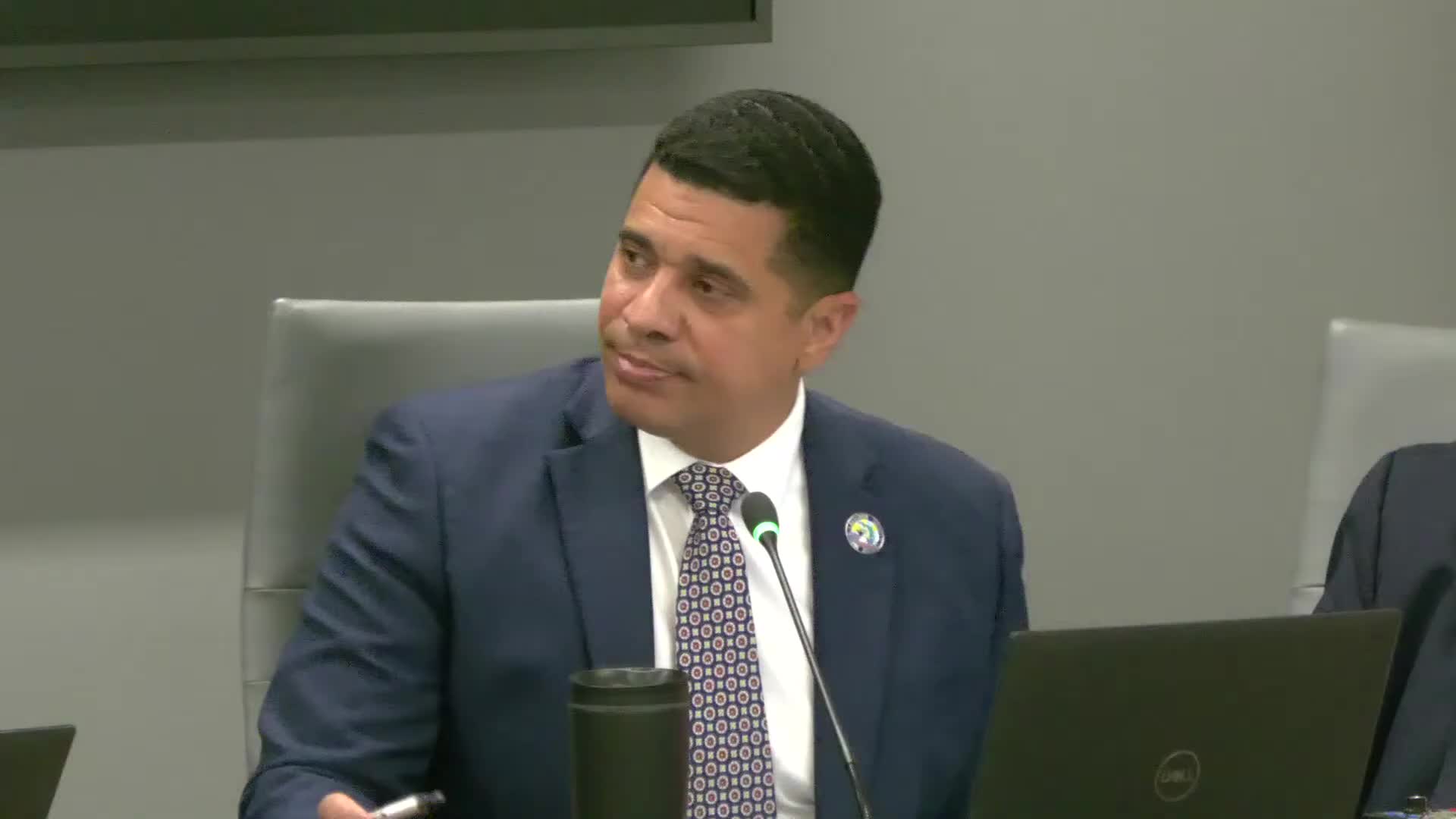
Superintendent Dr. White told the Okaloosa County School Board on Sept. 9, 2025, that the district’s enrollment is down substantially and that family empowerment scholarships are a significant factor. “When you look at our warm body count, last year, this year, we’re about 654 students down,” Dr. White said. He and staff cautioned that those lower counts reduce FTE-based state funding and will require the district to use contingency dollars and consider program and staffing allocations.
The superintendent and senior staff described why the change matters. The district uses full‑time‑equivalent (FTE) counts to compute state funding; preliminary forecasting in the meeting estimated the district could end the year about 233 FTE below the district’s budget projections, which Dr. White said “looks like about roughly $1,600,000.” That shortfall is not a single directive to eliminate personnel but will affect allocations and hiring decisions for the 2025–26 school year, staff said.
Why it matters: FTE shortfalls reduce recurring revenue and influence hiring and classroom-section decisions. Dr. White told board members the declines are concentrated at the elementary and kindergarten levels and that many students funded by the state’s family empowerment scholarship program never attended district schools previously. “When you look at where these numbers fall, the majority of these numbers fall at the elementary level and specifically even more so at the kindergarten level,” he said. The superintendent added that the district has set aside FTE contingency funds and that finance staff have planned for some payment adjustments.
Details from the discussion: Staff said the district’s “warm body” count—an unduplicated headcount used for operational planning—was down roughly 654 students from the prior year. The district’s working projection for the official FTE counts (used by the state for funding) is to be down about 233 students when the October and February counts are finalized. Dr. White noted the fiscal impact: “That looks like about roughly $1,600,000,” and Finance Director Ms. Perry was credited with setting aside contingency dollars to soften the impact.
Board members and staff also described operational consequences and options. The district typically hires about 200 teachers a year; staff said fewer new allocations could reduce hiring to about 150 in a hypothetical scenario. Board members asked whether students who leave under scholarship programs later return; Dr. White said secondary-level return rates are higher but that he did not have a district‑wide, multi‑year re-enrollment dataset at the meeting. Staff pledged to monitor trends, refine forecasts, and consider multi‑year boundary, program and marketing strategies rather than immediate across‑the‑board personnel actions.
Dissent and caution: Board members expressed concern that sustained enrollment losses could force difficult choices. One board member said raising marketing and community engagement would be part of the district response; another warned that long-term cuts risk eroding teacher retention and program quality. Dr. White and staff emphasized they were not presenting specific cuts at the meeting but were informing the board of exposure and planning contingencies.
What’s next: Staff will continue forecasting for the October and February FTE counts, present allocation recommendations as needed, and keep the board informed of options for reallocations, hiring cohorts and program changes. The superintendent reiterated the district’s financial position was sound for now but that elected leaders should expect continued discussion as counts and revenues firm up.
Ending: The board did not take a formal vote on changes at this workshop; the discussion was informational and framed as a planning brief for future agenda items.
The superintendent and senior staff described why the change matters. The district uses full‑time‑equivalent (FTE) counts to compute state funding; preliminary forecasting in the meeting estimated the district could end the year about 233 FTE below the district’s budget projections, which Dr. White said “looks like about roughly $1,600,000.” That shortfall is not a single directive to eliminate personnel but will affect allocations and hiring decisions for the 2025–26 school year, staff said.
Why it matters: FTE shortfalls reduce recurring revenue and influence hiring and classroom-section decisions. Dr. White told board members the declines are concentrated at the elementary and kindergarten levels and that many students funded by the state’s family empowerment scholarship program never attended district schools previously. “When you look at where these numbers fall, the majority of these numbers fall at the elementary level and specifically even more so at the kindergarten level,” he said. The superintendent added that the district has set aside FTE contingency funds and that finance staff have planned for some payment adjustments.
Details from the discussion: Staff said the district’s “warm body” count—an unduplicated headcount used for operational planning—was down roughly 654 students from the prior year. The district’s working projection for the official FTE counts (used by the state for funding) is to be down about 233 students when the October and February counts are finalized. Dr. White noted the fiscal impact: “That looks like about roughly $1,600,000,” and Finance Director Ms. Perry was credited with setting aside contingency dollars to soften the impact.
Board members and staff also described operational consequences and options. The district typically hires about 200 teachers a year; staff said fewer new allocations could reduce hiring to about 150 in a hypothetical scenario. Board members asked whether students who leave under scholarship programs later return; Dr. White said secondary-level return rates are higher but that he did not have a district‑wide, multi‑year re-enrollment dataset at the meeting. Staff pledged to monitor trends, refine forecasts, and consider multi‑year boundary, program and marketing strategies rather than immediate across‑the‑board personnel actions.
Dissent and caution: Board members expressed concern that sustained enrollment losses could force difficult choices. One board member said raising marketing and community engagement would be part of the district response; another warned that long-term cuts risk eroding teacher retention and program quality. Dr. White and staff emphasized they were not presenting specific cuts at the meeting but were informing the board of exposure and planning contingencies.
What’s next: Staff will continue forecasting for the October and February FTE counts, present allocation recommendations as needed, and keep the board informed of options for reallocations, hiring cohorts and program changes. The superintendent reiterated the district’s financial position was sound for now but that elected leaders should expect continued discussion as counts and revenues firm up.
Ending: The board did not take a formal vote on changes at this workshop; the discussion was informational and framed as a planning brief for future agenda items.
View the Full Meeting & All Its Details
This article offers just a summary. Unlock complete video, transcripts, and insights as a Founder Member.
✓
Watch full, unedited meeting videos
✓
Search every word spoken in unlimited transcripts
✓
AI summaries & real-time alerts (all government levels)
✓
Permanent access to expanding government content
30-day money-back guarantee
