County staff propose reallocating federal housing funds to Littleton affordable project and eviction-prevention pilot
September 15, 2025 | Arapahoe County, Colorado
This article was created by AI summarizing key points discussed. AI makes mistakes, so for full details and context, please refer to the video of the full meeting. Please report any errors so we can fix them. Report an error »
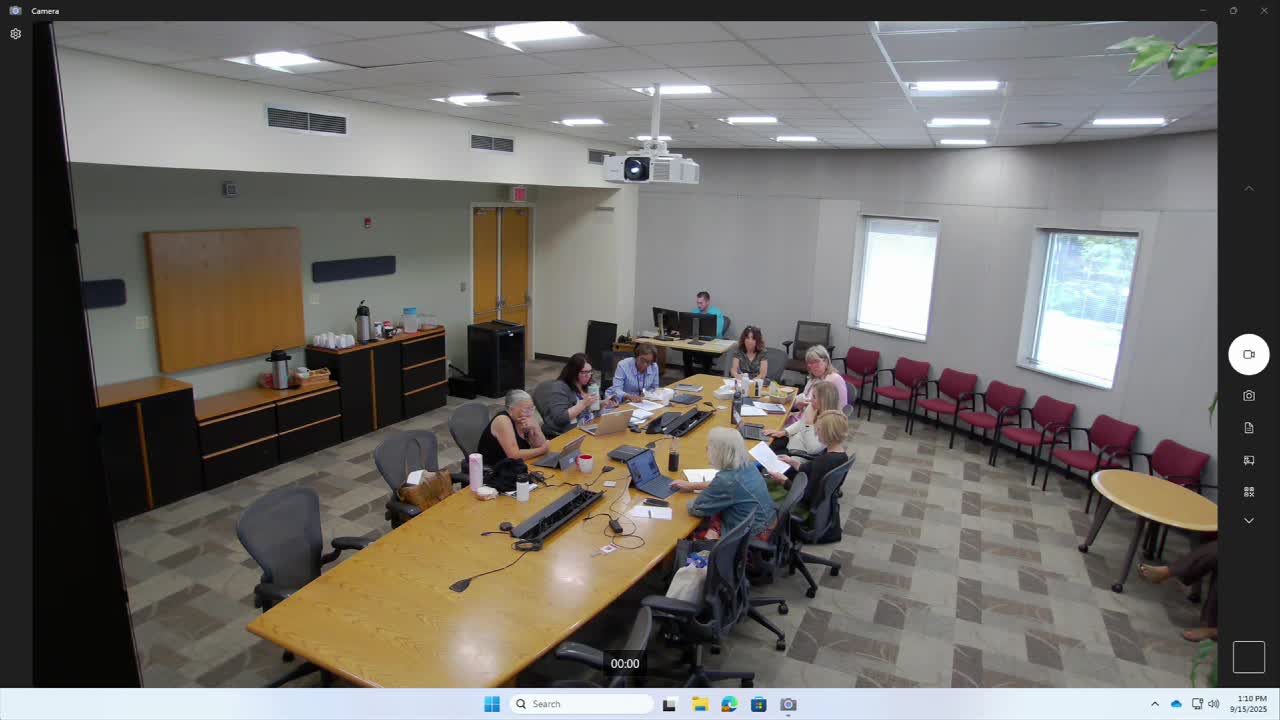
County Community Resources staff recommended reallocating federal housing funds to an affordable housing project on Littleton Boulevard and to an eviction-prevention pilot, and commissioners signaled informal support during a drop‑in meeting.
"The staff would like to make a recommendation to put $212,729.82 into the South Metro Housing Options Starlight Affordable Housing Development here on Littleton Boulevard, cross with Delaware Street, for 73 units of affordable housing, 8 including project based vouchers for 70% AMI and under," said Lizzie Lemus, Community Resources, describing a staff proposal to move leftover Community Development Block Grant program income and other completed-project funds into the project.
Why it matters: The proposal would increase the county's dedicated funding for the Starlight development to just over $600,000, according to staff, and would direct substantial HOME/ARP funding to eviction prevention services that county staff said are not otherwise available locally.
Details of the proposal
Lizzie Lemus said the 73 units are targeted at households at 70% of area median income (AMI) and that eight project‑based vouchers would remain with the building and be set aside for youth aged about 18 to 24. "And those will actually be dedicated to aging youth that are typically 18 to 24 years of age," Lemus said.
On HOME/ARP reallocation, staff proposed splitting $96,593 to administration and planning — "to continue auditing and administering the programs, on behalf of the county, which brings us up to the 15% cap that is allowed by HUD," Lemus said — and allocating the remaining $903,407 to Colorado Legal Services for eviction prevention programs and a new landlord‑diversion pilot. Lemus described the diversion pilot as "more of mediation of bringing the landlord to the table," adding it would include expanded case management and legal representation to facilitate mediation and, in some cases, link residents with adult protective services or other county supports.
Staff said the eviction‑prevention funds were previously budgeted for a program called SAFER, which is "not moving forward," and that the landlord diversion pilot would run for 24 months and "would begin in January if approved."
What commissioners said
During the discussion commissioners asked clarifying questions about the HUD cap and the program model. Lemus confirmed the $96,593 allocation would bring the county to the 15% HUD limit for administration and planning on those funds. Commissioners gave an apparent informal signal of support during the meeting (several expressed thumbs‑up), but the transcript does not show a formal recorded vote on the reallocations.
Next steps and limitations
Staff framed the recommendations as reallocations of existing federal program dollars; the transcript records staff recommendations and commissioners' informal agreement but does not record a formal approval vote for the reallocations. Lemus said the landlord‑diversion pilot would start in January if the recommended allocations are approved.
Ending
County staff said the proposed reallocations are intended to preserve an affordable housing pipeline and provide eviction‑prevention services the county cannot currently offer. The meeting moved later to an executive session on other matters; the transcript does not record a formal vote on the funding shifts within the excerpt provided.
"The staff would like to make a recommendation to put $212,729.82 into the South Metro Housing Options Starlight Affordable Housing Development here on Littleton Boulevard, cross with Delaware Street, for 73 units of affordable housing, 8 including project based vouchers for 70% AMI and under," said Lizzie Lemus, Community Resources, describing a staff proposal to move leftover Community Development Block Grant program income and other completed-project funds into the project.
Why it matters: The proposal would increase the county's dedicated funding for the Starlight development to just over $600,000, according to staff, and would direct substantial HOME/ARP funding to eviction prevention services that county staff said are not otherwise available locally.
Details of the proposal
Lizzie Lemus said the 73 units are targeted at households at 70% of area median income (AMI) and that eight project‑based vouchers would remain with the building and be set aside for youth aged about 18 to 24. "And those will actually be dedicated to aging youth that are typically 18 to 24 years of age," Lemus said.
On HOME/ARP reallocation, staff proposed splitting $96,593 to administration and planning — "to continue auditing and administering the programs, on behalf of the county, which brings us up to the 15% cap that is allowed by HUD," Lemus said — and allocating the remaining $903,407 to Colorado Legal Services for eviction prevention programs and a new landlord‑diversion pilot. Lemus described the diversion pilot as "more of mediation of bringing the landlord to the table," adding it would include expanded case management and legal representation to facilitate mediation and, in some cases, link residents with adult protective services or other county supports.
Staff said the eviction‑prevention funds were previously budgeted for a program called SAFER, which is "not moving forward," and that the landlord diversion pilot would run for 24 months and "would begin in January if approved."
What commissioners said
During the discussion commissioners asked clarifying questions about the HUD cap and the program model. Lemus confirmed the $96,593 allocation would bring the county to the 15% HUD limit for administration and planning on those funds. Commissioners gave an apparent informal signal of support during the meeting (several expressed thumbs‑up), but the transcript does not show a formal recorded vote on the reallocations.
Next steps and limitations
Staff framed the recommendations as reallocations of existing federal program dollars; the transcript records staff recommendations and commissioners' informal agreement but does not record a formal approval vote for the reallocations. Lemus said the landlord‑diversion pilot would start in January if the recommended allocations are approved.
Ending
County staff said the proposed reallocations are intended to preserve an affordable housing pipeline and provide eviction‑prevention services the county cannot currently offer. The meeting moved later to an executive session on other matters; the transcript does not record a formal vote on the funding shifts within the excerpt provided.
View the Full Meeting & All Its Details
This article offers just a summary. Unlock complete video, transcripts, and insights as a Founder Member.
✓
Watch full, unedited meeting videos
✓
Search every word spoken in unlimited transcripts
✓
AI summaries & real-time alerts (all government levels)
✓
Permanent access to expanding government content
30-day money-back guarantee
