District review shows drop in suspensions and early gains in literacy and math growth
September 18, 2025 | St. Cloud Public School District, School Boards, Minnesota
This article was created by AI summarizing key points discussed. AI makes mistakes, so for full details and context, please refer to the video of the full meeting. Please report any errors so we can fix them. Report an error »
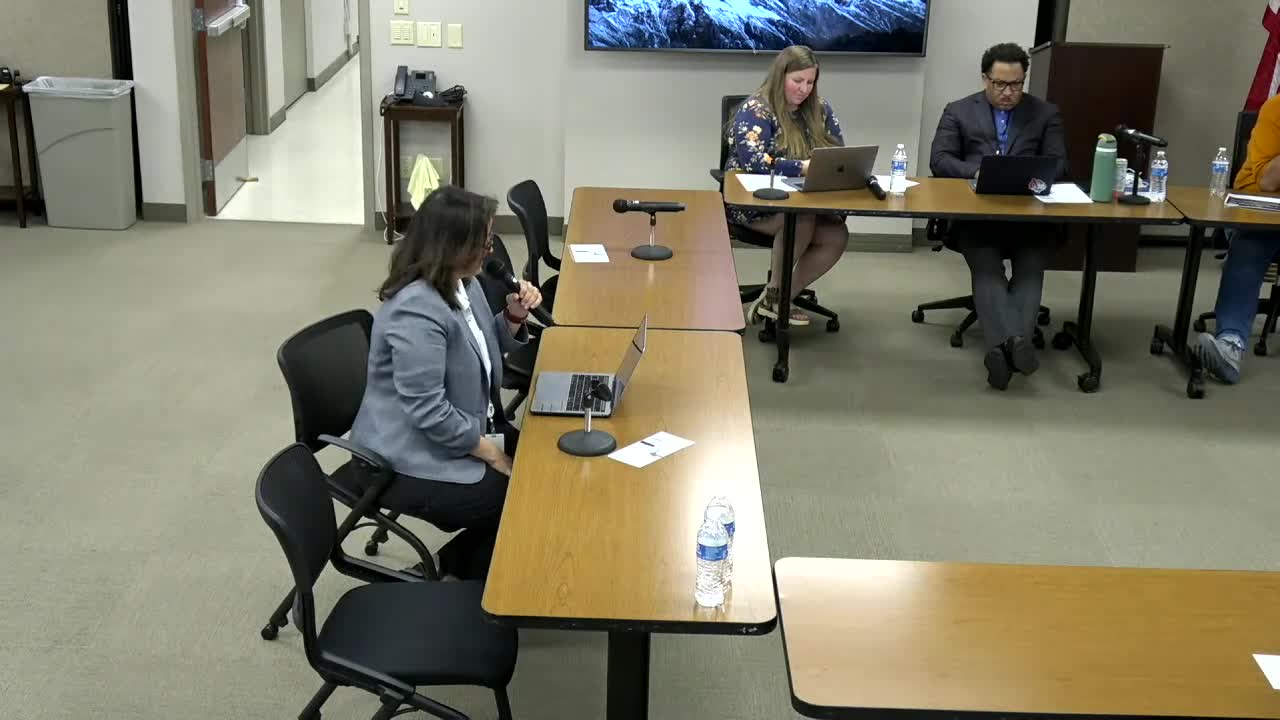
The St. Cloud Area School District on Sept. 17 reviewed outcomes from its 2023–25 strategic plan and presented early academic and climate results that administrators characterized as measurable progress in multiple areas.
Donna Roper, executive director of research, assessment and AI integration, told the board the district’s in‑school suspension rate fell from about 11 percent in 2022 to roughly 5.6 percent, a decline Roper attributed to tiered supports, restorative practices and consistent system responses. Roper stressed the district had not relaxed disciplinary standards: suspensions continue to be used for safety‑related behaviors defined in the code of conduct.
Academic measures showed mixed but improving trends. Early literacy data from district screening tools (FastBridge) and the aReading measure showed incremental gains: the district reported a rise from 38 to 42 percent of students meeting the aReading benchmark (K–2). Roper highlighted a strong kindergarten cohort, with 761 kindergartners counted and notable early literacy screening results (letter‑name and letter‑sound mastery rates higher than recent years). For elementary math, the district’s iReady diagnostic showed the share of students two or more grade levels below falling from 41 percent in fall to 23 percent by spring and students at or above grade level rising from 11 percent to 39 percent over the same period.
Middle‑grade growth on the STAR assessment showed student growth percentiles generally above the national median (50), indicating typical or better‑than‑typical year‑to‑year progress in reading and math for sixth through eighth graders, though Roper noted some year‑to‑year variation. On statewide Minnesota Comprehensive Assessment (MCA) results, St. Cloud remained below statewide proficiency averages: Roper presented reading proficiency of about 33.7 percent in St. Cloud versus the state 49.6 percent, and math proficiency at roughly 24.8 percent versus 45 percent statewide. Roper framed these as outcome measures that will guide targeted instructional work rather than the sole focus of improvement efforts.
Roper also reported that English‑learner students make up about 21.7 percent of the district — roughly double the state average — and that while EL proficiency lags statewide averages, growth metrics show St. Cloud EL students progressing at similar rates to peers statewide. The district noted staffing and programmatic investments for EL and students with interrupted formal education remain priorities.
The presentation highlighted innovation and career readiness work: expanded Modern Classroom practice and AI literacy in middle grades, high rates of FAFSA completion (59.5 percent), career and technical education concentrator graduation gains, 305 students in PSEO and 170 dual‑enrolled students last year, and recorded student work‑based experiences.
Board members praised the progress and asked for deeper dives on specific items such as student perceptions of kindness and the interaction of phone use and social norms, the district’s mental‑health supports, and program support for students with interrupted formal education.
Next steps: the administration will maintain multi‑year dashboards and metric plans and conduct regular reviews (October, January, April and a year‑end reflection in June) to monitor progress and guide resource allocation.
Sources: Strategic plan outcomes presentation at Sept. 17, 2025 Board of Education meeting; district assessment dashboards and presenter remarks.
Donna Roper, executive director of research, assessment and AI integration, told the board the district’s in‑school suspension rate fell from about 11 percent in 2022 to roughly 5.6 percent, a decline Roper attributed to tiered supports, restorative practices and consistent system responses. Roper stressed the district had not relaxed disciplinary standards: suspensions continue to be used for safety‑related behaviors defined in the code of conduct.
Academic measures showed mixed but improving trends. Early literacy data from district screening tools (FastBridge) and the aReading measure showed incremental gains: the district reported a rise from 38 to 42 percent of students meeting the aReading benchmark (K–2). Roper highlighted a strong kindergarten cohort, with 761 kindergartners counted and notable early literacy screening results (letter‑name and letter‑sound mastery rates higher than recent years). For elementary math, the district’s iReady diagnostic showed the share of students two or more grade levels below falling from 41 percent in fall to 23 percent by spring and students at or above grade level rising from 11 percent to 39 percent over the same period.
Middle‑grade growth on the STAR assessment showed student growth percentiles generally above the national median (50), indicating typical or better‑than‑typical year‑to‑year progress in reading and math for sixth through eighth graders, though Roper noted some year‑to‑year variation. On statewide Minnesota Comprehensive Assessment (MCA) results, St. Cloud remained below statewide proficiency averages: Roper presented reading proficiency of about 33.7 percent in St. Cloud versus the state 49.6 percent, and math proficiency at roughly 24.8 percent versus 45 percent statewide. Roper framed these as outcome measures that will guide targeted instructional work rather than the sole focus of improvement efforts.
Roper also reported that English‑learner students make up about 21.7 percent of the district — roughly double the state average — and that while EL proficiency lags statewide averages, growth metrics show St. Cloud EL students progressing at similar rates to peers statewide. The district noted staffing and programmatic investments for EL and students with interrupted formal education remain priorities.
The presentation highlighted innovation and career readiness work: expanded Modern Classroom practice and AI literacy in middle grades, high rates of FAFSA completion (59.5 percent), career and technical education concentrator graduation gains, 305 students in PSEO and 170 dual‑enrolled students last year, and recorded student work‑based experiences.
Board members praised the progress and asked for deeper dives on specific items such as student perceptions of kindness and the interaction of phone use and social norms, the district’s mental‑health supports, and program support for students with interrupted formal education.
Next steps: the administration will maintain multi‑year dashboards and metric plans and conduct regular reviews (October, January, April and a year‑end reflection in June) to monitor progress and guide resource allocation.
Sources: Strategic plan outcomes presentation at Sept. 17, 2025 Board of Education meeting; district assessment dashboards and presenter remarks.
View the Full Meeting & All Its Details
This article offers just a summary. Unlock complete video, transcripts, and insights as a Founder Member.
✓
Watch full, unedited meeting videos
✓
Search every word spoken in unlimited transcripts
✓
AI summaries & real-time alerts (all government levels)
✓
Permanent access to expanding government content
30-day money-back guarantee
