Board adopts policy limiting reliance on ‘new recollections’ and requiring written staff communications for evidence
September 19, 2025 | Wilson County, Tennessee
This article was created by AI summarizing key points discussed. AI makes mistakes, so for full details and context, please refer to the video of the full meeting. Please report any errors so we can fix them. Report an error »
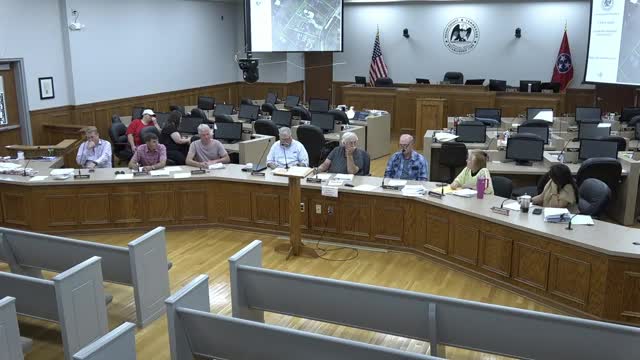
At the close of its September meeting the Wilson County Board of Zoning Appeals adopted a procedural policy change limiting the evidentiary weight of later “recollections” and requiring written documentation for reliance on county staff communications.
Board members said the change responds to a recent case in which an applicant produced later recollections of a conversation with zoning staff that the applicant said had confirmed grandfathered short‑term rental status prior to purchase. The board concluded those kinds of undocumented memories create inconsistent outcomes and make it difficult to adjudicate appeals.
The chair summarized the action: the board will not rely on “new recollections” as a form of new evidence when applicants refile after prior denials; and applicants who assert they were given advice or assurances by county staff must provide documentation such as an email or written letter if they intend that information to be considered by the board. “If people intend to rely on anything they're told at the zoning office…they need to have it in writing,” a board member said.
The board approved the policy by motion and voice vote; members said the policy will be recorded in the minutes and that staff may draft formal language for inclusion in bylaws or administrative procedures if needed. The chair said zoning staff will aim to respond to public inquiries in writing when possible to reduce future disputes.
The board framed the policy as an evidence‑management and due‑process measure rather than a change in substantive zoning law. Members said it will promote consistency and protect both applicants and the county from conflicting oral testimony.
Board members said the change responds to a recent case in which an applicant produced later recollections of a conversation with zoning staff that the applicant said had confirmed grandfathered short‑term rental status prior to purchase. The board concluded those kinds of undocumented memories create inconsistent outcomes and make it difficult to adjudicate appeals.
The chair summarized the action: the board will not rely on “new recollections” as a form of new evidence when applicants refile after prior denials; and applicants who assert they were given advice or assurances by county staff must provide documentation such as an email or written letter if they intend that information to be considered by the board. “If people intend to rely on anything they're told at the zoning office…they need to have it in writing,” a board member said.
The board approved the policy by motion and voice vote; members said the policy will be recorded in the minutes and that staff may draft formal language for inclusion in bylaws or administrative procedures if needed. The chair said zoning staff will aim to respond to public inquiries in writing when possible to reduce future disputes.
The board framed the policy as an evidence‑management and due‑process measure rather than a change in substantive zoning law. Members said it will promote consistency and protect both applicants and the county from conflicting oral testimony.
Don't Miss a Word: See the Full Meeting!
Go beyond summaries. Unlock every video, transcript, and key insight with a Founder Membership.
✓
Get instant access to full meeting videos
✓
Search and clip any phrase from complete transcripts
✓
Receive AI-powered summaries & custom alerts
✓
Enjoy lifetime, unrestricted access to government data
30-day money-back guarantee
