Tote Maritime urges Washington to retain LNG tax preference for marine fuel
September 22, 2025 | Legislative Sessions, Washington
This article was created by AI summarizing key points discussed. AI makes mistakes, so for full details and context, please refer to the video of the full meeting. Please report any errors so we can fix them. Report an error »
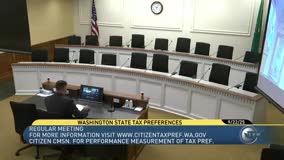
Tacoma-based Tote Maritime Alaska urged the Citizens Commission for Performance Measurement of Tax Preferences to maintain existing tax preferences for liquefied natural gas as a marine transportation fuel during public testimony in September. Joey Halverson, vice president of operations for Tote, said the credits were essential to the company’s investments in cleaner-burning fuel and infrastructure.
Halverson said Tote converted its Orca-class vessels to LNG and that the conversions produced “approximately 25 to 30% reduction in greenhouse gases emissions compared to ultra low sulfur diesel,” and reductions of “up to 90%” in sulfur oxides, nitrogen oxides and particulate matter. He said the tax preferences “supported major environmental gains, enabled the development of critical fueling infrastructure in the Port of Tacoma, and helped position Washington as a leader in the clean maritime fuel.”
The testimony directly addressed JLARC’s 2025 review of tax preferences for natural gas used as a transportation fuel. Halverson acknowledged the JLARC report’s finding that environmental targets were not fully met across the sector but attributed slower adoption to long lead times and high capital costs for maritime fuel transitions. He also urged the state to “maintain its existing tax preferences and pursue tax parity for alternative marine fuels in alignment with federal proposals such as a maritime fuel tax parity act.”
Halverson also presented figures attributed to Tote about the maritime sector’s scale in Washington, saying expanded clean-fuel infrastructure would “strengthen the economic vitality of Washington's maritime sector, which supports more than 22,000 jobs and generates over 6,100,000,000 in economic activity.” Those economic figures were cited by Halverson as part of his testimony; the commission did not adopt or verify them during the meeting.
No formal action was taken at the meeting on the JLARC recommendation; Halverson’s comments were entered as public testimony and commissioners had the opportunity to ask questions but did not move to change policy during the session. The testimony will be part of the record that commissioners review when they receive a web-based comment form and provide individual endorsements or minority reports before the commission compiles final comments for its October meeting.
Halverson said Tote converted its Orca-class vessels to LNG and that the conversions produced “approximately 25 to 30% reduction in greenhouse gases emissions compared to ultra low sulfur diesel,” and reductions of “up to 90%” in sulfur oxides, nitrogen oxides and particulate matter. He said the tax preferences “supported major environmental gains, enabled the development of critical fueling infrastructure in the Port of Tacoma, and helped position Washington as a leader in the clean maritime fuel.”
The testimony directly addressed JLARC’s 2025 review of tax preferences for natural gas used as a transportation fuel. Halverson acknowledged the JLARC report’s finding that environmental targets were not fully met across the sector but attributed slower adoption to long lead times and high capital costs for maritime fuel transitions. He also urged the state to “maintain its existing tax preferences and pursue tax parity for alternative marine fuels in alignment with federal proposals such as a maritime fuel tax parity act.”
Halverson also presented figures attributed to Tote about the maritime sector’s scale in Washington, saying expanded clean-fuel infrastructure would “strengthen the economic vitality of Washington's maritime sector, which supports more than 22,000 jobs and generates over 6,100,000,000 in economic activity.” Those economic figures were cited by Halverson as part of his testimony; the commission did not adopt or verify them during the meeting.
No formal action was taken at the meeting on the JLARC recommendation; Halverson’s comments were entered as public testimony and commissioners had the opportunity to ask questions but did not move to change policy during the session. The testimony will be part of the record that commissioners review when they receive a web-based comment form and provide individual endorsements or minority reports before the commission compiles final comments for its October meeting.
View the Full Meeting & All Its Details
This article offers just a summary. Unlock complete video, transcripts, and insights as a Founder Member.
✓
Watch full, unedited meeting videos
✓
Search every word spoken in unlimited transcripts
✓
AI summaries & real-time alerts (all government levels)
✓
Permanent access to expanding government content
30-day money-back guarantee
