Hearing officer dismisses Gerard Manor discharge after notice failed to reach long‑term care ombudsman
September 26, 2025 | Department of Public Health, Departments and Agencies, Organizations, Executive, Connecticut
This article was created by AI summarizing key points discussed. AI makes mistakes, so for full details and context, please refer to the video of the full meeting. Please report any errors so we can fix them. Report an error »
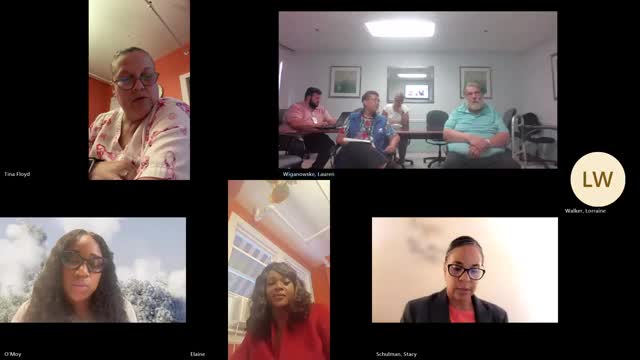
A state hearing officer dismissed an involuntary discharge proceeding brought by Gerard Manor after the facility could not demonstrate that a notice dated Sept. 10, 2025, had been uploaded the same day to the state long‑term care ombudsman's office, the hearing record shows. The dismissal means the facility must reissue the notice before pursuing discharge and the resident may file a new appeal.
The dismissal turned on a procedural requirement the hearing officer said is prescribed by statute: that an involuntary discharge notice must be sent to the state long‑term care ombudsperson on the same day it is given to the resident. The officer told facility representatives, “I will have to dismiss the case based on that procedural matter,” after reviewing the system records, which showed a September 10 entry with a “data entry” status rather than a completed upload and a later system notification saying an involuntary 30‑day notification still needed to be added.
Facility administrator Amoy Lindo told the hearing she believed that uploading the notice into the online system made it visible to the ombudsman's office and that she had followed the facility's usual process. “It was my understanding that once it get uploaded in the system, the ombudsman, is able to see the discharge notice,” Lindo said. She acknowledged she did not have proof of a completed upload in front of her at the hearing.
Bridal Texador of the long‑term care ombudsman's office clarified that the database record the parties reviewed showed two separate discharge notices: an earlier involuntary discharge issued Aug. 25, 2025, that was completed and not appealed, and the Sept. 10, 2025, notice that showed only data entry and had not completed the upload. Texador said the two entries were unrelated and that the Sept. 10 record did not show a completed transmission to the ombudsman's office.
Hearing staff also flagged language in the facility’s automated notice that could cause confusion: the printed form included a sentence stating, “you may file such request within 60 days of the date that you receive this notice, but we will have the right to discharge you pending a hearing if you file after the tenth day.” The hearing officer and facility representatives agreed that the 60‑day phrasing appears to come from the automated form on the department's website; the long‑term care ombudsman's representative said the form is generated by her office and that the department would review the language against the statute cited in the hearing.
The officer offered two procedural paths: enter the documents and issue a memorandum of decision dismissing the case, or allow the facility to withdraw the notice and reissue it after ensuring a proper same‑day upload. Gerard Manor indicated it would withdraw and refile; the officer instructed the resident to file a timely appeal if a new notice is issued.
The hearing record contains no formal vote; the action was an administrative dismissal for insufficiency of service. The hearing officer recommended that the Department of Public Health review the automated notice language to prevent future confusion about filing windows and to confirm that the online upload process reliably notifies the ombudsman's office.
What happened at this hearing is limited to the procedural questions shown in the record: whether the Sept. 10 notice was uploaded the same day to the long‑term care ombudsman's office and whether the automated notice language matched statutory requirements. The hearing officer found insufficient evidence of same‑day service and dismissed the matter on that ground; the facility will need to reissue the notice and ensure the ombudsman's office receives it on the same day if it wishes to pursue discharge again.
The dismissal turned on a procedural requirement the hearing officer said is prescribed by statute: that an involuntary discharge notice must be sent to the state long‑term care ombudsperson on the same day it is given to the resident. The officer told facility representatives, “I will have to dismiss the case based on that procedural matter,” after reviewing the system records, which showed a September 10 entry with a “data entry” status rather than a completed upload and a later system notification saying an involuntary 30‑day notification still needed to be added.
Facility administrator Amoy Lindo told the hearing she believed that uploading the notice into the online system made it visible to the ombudsman's office and that she had followed the facility's usual process. “It was my understanding that once it get uploaded in the system, the ombudsman, is able to see the discharge notice,” Lindo said. She acknowledged she did not have proof of a completed upload in front of her at the hearing.
Bridal Texador of the long‑term care ombudsman's office clarified that the database record the parties reviewed showed two separate discharge notices: an earlier involuntary discharge issued Aug. 25, 2025, that was completed and not appealed, and the Sept. 10, 2025, notice that showed only data entry and had not completed the upload. Texador said the two entries were unrelated and that the Sept. 10 record did not show a completed transmission to the ombudsman's office.
Hearing staff also flagged language in the facility’s automated notice that could cause confusion: the printed form included a sentence stating, “you may file such request within 60 days of the date that you receive this notice, but we will have the right to discharge you pending a hearing if you file after the tenth day.” The hearing officer and facility representatives agreed that the 60‑day phrasing appears to come from the automated form on the department's website; the long‑term care ombudsman's representative said the form is generated by her office and that the department would review the language against the statute cited in the hearing.
The officer offered two procedural paths: enter the documents and issue a memorandum of decision dismissing the case, or allow the facility to withdraw the notice and reissue it after ensuring a proper same‑day upload. Gerard Manor indicated it would withdraw and refile; the officer instructed the resident to file a timely appeal if a new notice is issued.
The hearing record contains no formal vote; the action was an administrative dismissal for insufficiency of service. The hearing officer recommended that the Department of Public Health review the automated notice language to prevent future confusion about filing windows and to confirm that the online upload process reliably notifies the ombudsman's office.
What happened at this hearing is limited to the procedural questions shown in the record: whether the Sept. 10 notice was uploaded the same day to the long‑term care ombudsman's office and whether the automated notice language matched statutory requirements. The hearing officer found insufficient evidence of same‑day service and dismissed the matter on that ground; the facility will need to reissue the notice and ensure the ombudsman's office receives it on the same day if it wishes to pursue discharge again.
Don't Miss a Word: See the Full Meeting!
Go beyond summaries. Unlock every video, transcript, and key insight with a Founder Membership.
✓
Get instant access to full meeting videos
✓
Search and clip any phrase from complete transcripts
✓
Receive AI-powered summaries & custom alerts
✓
Enjoy lifetime, unrestricted access to government data
30-day money-back guarantee
