DPH-funded postpartum bracelet initiative readies statewide kickoff; outreach to home-birth midwives planned
September 26, 2025 | Department of Public Health, Departments and Agencies, Organizations, Executive, Connecticut
This article was created by AI summarizing key points discussed. AI makes mistakes, so for full details and context, please refer to the video of the full meeting. Please report any errors so we can fix them. Report an error »
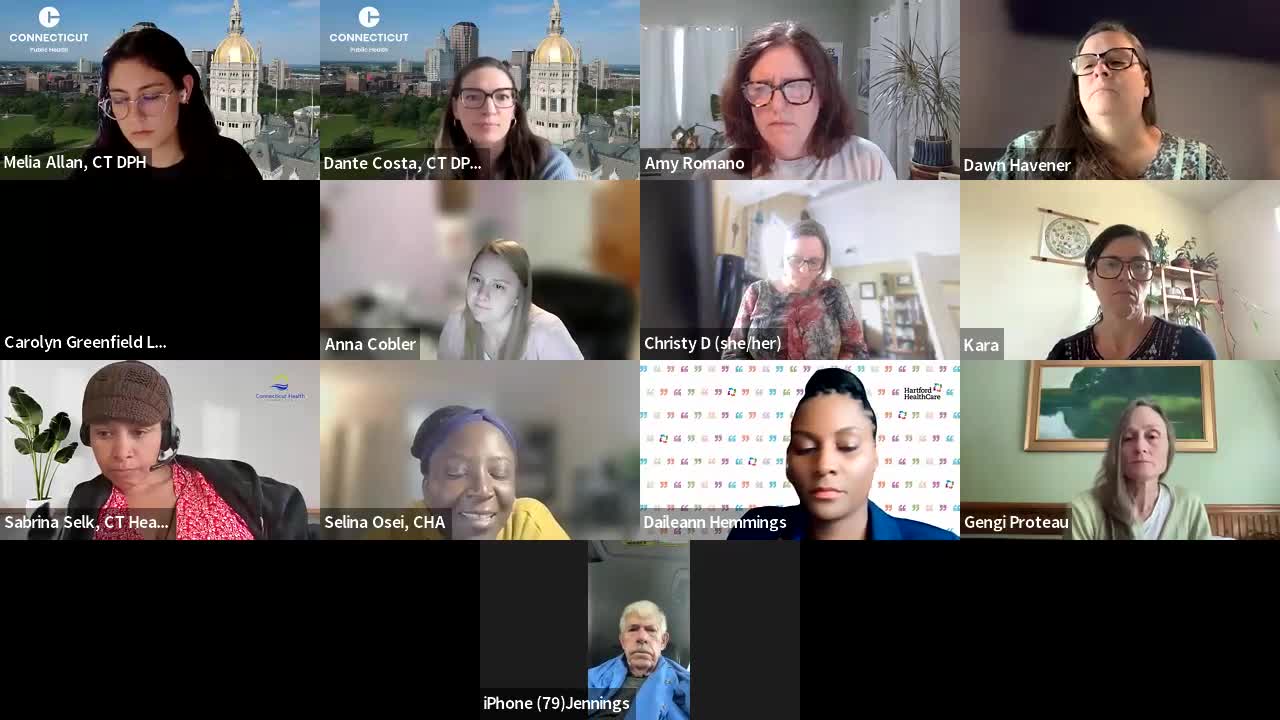
The Connecticut Department of Public Health updated the Midwives Working Group on a statewide postpartum bracelet initiative intended to help providers and emergency responders identify people in their first year postpartum and recognize urgent maternal warning signs.
Dr. Osei, speaking for the Department of Public Health, described the initiative as a DPH-funded project done “in partnership with the Connecticut Hospital Association, that’s supporting the Connecticut Perinatal Quality Collaborative.” He said the project is the collaborative’s first quality-improvement work after a period without funding and that it includes hospitals, community providers and emergency responders.
The program pairs a physical bracelet for a birthing person who chooses to wear one with training for providers and emergency personnel on maternal early-warning signs. Dr. Osei said the goal is to ensure that “every birthing person is given a bracelet if they want it, and the providers are trained about the early warning signs of urgent maternal health.” The bracelets are meant to help triage and to signal to emergency departments and EMS that a patient is within the first postpartum year and may need specific attention.
DPH staff said there will be an official kickoff at a Connecticut Perinatal Quality Collaborative meeting on the 30th and that participating hospitals and provider groups will receive allocations of bracelets at the kickoff. Dr. Osei and other staff asked the group to help ensure midwives who attend or provide home births are included in distribution plans and trainings.
Members asked how midwives who attend home births would receive bracelets and proposed designating the new co-chairs as contacts for outreach. Dante, a DPH staff member, acknowledged that final chair assignments would be known by the end of the meeting and noted the chairs could act as liaisons between the state and the home-birth community.
Staff offered to circulate program materials and links and asked working-group members to let DPH know if their practices want allocations. The organizers emphasized that participation is voluntary and that the bracelets are intended to improve recognition and triage, not to mandate care changes.
DPH staff asked that chairs or other designated contacts facilitate introductions so the initiative can distribute bracelets and training information to any midwife who performs home births and wishes to participate. Staff said they will circulate kickoff details and posted materials to the work group and follow up with the chairs after the meeting.
Dr. Osei, speaking for the Department of Public Health, described the initiative as a DPH-funded project done “in partnership with the Connecticut Hospital Association, that’s supporting the Connecticut Perinatal Quality Collaborative.” He said the project is the collaborative’s first quality-improvement work after a period without funding and that it includes hospitals, community providers and emergency responders.
The program pairs a physical bracelet for a birthing person who chooses to wear one with training for providers and emergency personnel on maternal early-warning signs. Dr. Osei said the goal is to ensure that “every birthing person is given a bracelet if they want it, and the providers are trained about the early warning signs of urgent maternal health.” The bracelets are meant to help triage and to signal to emergency departments and EMS that a patient is within the first postpartum year and may need specific attention.
DPH staff said there will be an official kickoff at a Connecticut Perinatal Quality Collaborative meeting on the 30th and that participating hospitals and provider groups will receive allocations of bracelets at the kickoff. Dr. Osei and other staff asked the group to help ensure midwives who attend or provide home births are included in distribution plans and trainings.
Members asked how midwives who attend home births would receive bracelets and proposed designating the new co-chairs as contacts for outreach. Dante, a DPH staff member, acknowledged that final chair assignments would be known by the end of the meeting and noted the chairs could act as liaisons between the state and the home-birth community.
Staff offered to circulate program materials and links and asked working-group members to let DPH know if their practices want allocations. The organizers emphasized that participation is voluntary and that the bracelets are intended to improve recognition and triage, not to mandate care changes.
DPH staff asked that chairs or other designated contacts facilitate introductions so the initiative can distribute bracelets and training information to any midwife who performs home births and wishes to participate. Staff said they will circulate kickoff details and posted materials to the work group and follow up with the chairs after the meeting.
Don't Miss a Word: See the Full Meeting!
Go beyond summaries. Unlock every video, transcript, and key insight with a Founder Membership.
✓
Get instant access to full meeting videos
✓
Search and clip any phrase from complete transcripts
✓
Receive AI-powered summaries & custom alerts
✓
Enjoy lifetime, unrestricted access to government data
30-day money-back guarantee
