Application for commercial zoning change near Flagstaff to enhance community development
August 20, 2025 | Coconino County, Arizona
This article was created by AI summarizing key points discussed. AI makes mistakes, so for full details and context, please refer to the video of the full meeting. Please report any errors so we can fix them. Report an error »
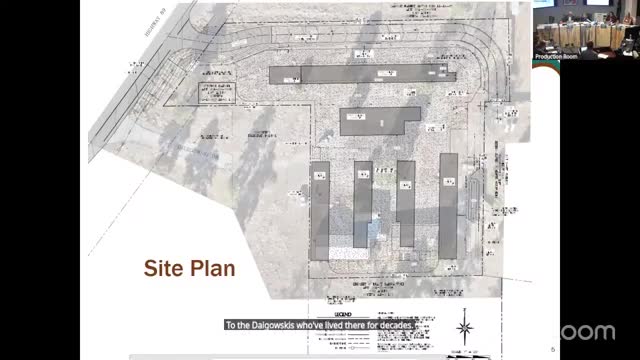
The Coconino Board of Supervisors convened on August 20, 2025, to discuss a significant zoning change proposal that could reshape a long-neglected parcel of land outside Flagstaff. The application, presented by engineer Isaac Block on behalf of property owner Leah Morris, seeks to rezone the site from its current designation to a commercial classification, which proponents argue will revitalize the area and eliminate an eyesore.
The parcel in question has faced zoning complications for years, primarily due to its nonconforming status as an expired church site. Block explained that the existing zoning restrictions limit development options, making it challenging to utilize the land effectively. The proposed change to a commercial zoning designation (CG 10,000) aims to address these issues, allowing for a more productive use of the property that aligns with community planning goals.
Block emphasized that the development plan has been crafted in accordance with local area plans and state requirements, including traffic impact assessments conducted in collaboration with the Arizona Department of Transportation (ADOT). This thorough approach aims to ensure that the project not only meets regulatory standards but also serves the community's needs.
Aaron Lumpkin, also representing the applicant, highlighted the importance of the zoning change in transforming the property into a valuable community asset. He noted that the current state of the land has contributed to local deterioration, and the proposed development could reverse this trend.
However, the meeting was not without contention. A protest letter from neighboring property owners raised concerns about potential litigation and urged the Board to deny the application. Lumpkin countered that such considerations should not influence the Board's decision, as they fall outside the legal criteria for zoning changes.
The Board's decision on this zoning application could have lasting implications for the Doney Park area, potentially paving the way for new commercial opportunities and enhancing the community's overall aesthetic and functionality. As discussions continue, residents are encouraged to stay informed about the outcomes that will shape their neighborhood's future.
The parcel in question has faced zoning complications for years, primarily due to its nonconforming status as an expired church site. Block explained that the existing zoning restrictions limit development options, making it challenging to utilize the land effectively. The proposed change to a commercial zoning designation (CG 10,000) aims to address these issues, allowing for a more productive use of the property that aligns with community planning goals.
Block emphasized that the development plan has been crafted in accordance with local area plans and state requirements, including traffic impact assessments conducted in collaboration with the Arizona Department of Transportation (ADOT). This thorough approach aims to ensure that the project not only meets regulatory standards but also serves the community's needs.
Aaron Lumpkin, also representing the applicant, highlighted the importance of the zoning change in transforming the property into a valuable community asset. He noted that the current state of the land has contributed to local deterioration, and the proposed development could reverse this trend.
However, the meeting was not without contention. A protest letter from neighboring property owners raised concerns about potential litigation and urged the Board to deny the application. Lumpkin countered that such considerations should not influence the Board's decision, as they fall outside the legal criteria for zoning changes.
The Board's decision on this zoning application could have lasting implications for the Doney Park area, potentially paving the way for new commercial opportunities and enhancing the community's overall aesthetic and functionality. As discussions continue, residents are encouraged to stay informed about the outcomes that will shape their neighborhood's future.
Don't Miss a Word: See the Full Meeting!
Go beyond summaries. Unlock every video, transcript, and key insight with a Founder Membership.
✓
Get instant access to full meeting videos
✓
Search and clip any phrase from complete transcripts
✓
Receive AI-powered summaries & custom alerts
✓
Enjoy lifetime, unrestricted access to government data
30-day money-back guarantee
