Supervisor Safai proposes stricter regulations for San Francisco construction debris disposal
July 19, 2021 | San Francisco County, California
This article was created by AI summarizing key points discussed. AI makes mistakes, so for full details and context, please refer to the video of the full meeting. Please report any errors so we can fix them. Report an error »
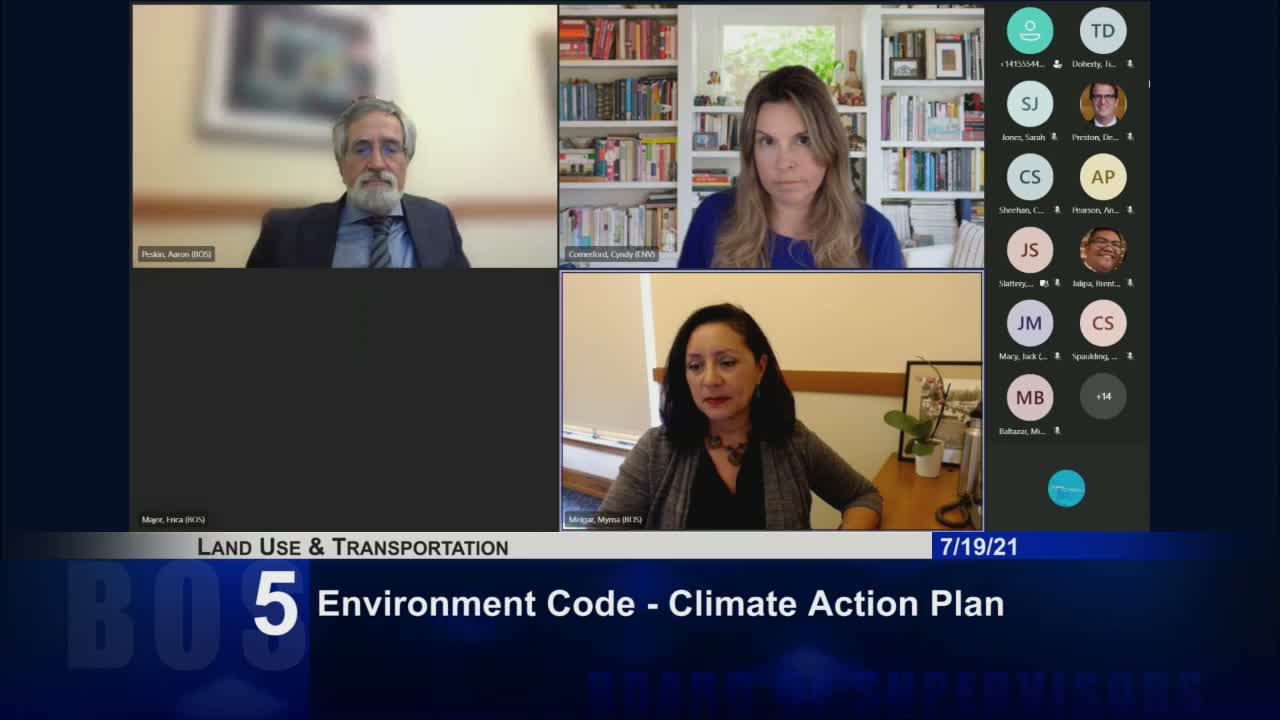
The San Francisco County Land Use and Transportation Committee convened on July 4, 2025, to discuss a significant ordinance aimed at enhancing the management of construction and demolition (C&D) debris. This ordinance mandates that all vehicles and debris boxes transporting such materials must obtain a temporary or annual permit from the Department of Environment. The proposed legislation seeks to increase the recovery rate of materials from 65% to 75% for full demolition projects, thereby supporting the city’s goal of achieving zero waste.
Supervisor Safaei, who has been instrumental in the development of this ordinance over the past two years, emphasized the importance of addressing illegal dumping, which disproportionately affects BIPOC and lower-income communities in the southeastern part of the city. He noted that construction and demolition debris currently accounts for 25% of the city's landfill waste, equating to over 150,000 tons annually. The ordinance aims to combat this issue by tightening regulations on haulers and ensuring compliance with waste management practices.
The meeting included a presentation by Jack Macy, the Zero Waste Senior Coordinator with the Department of the Environment, who outlined the challenges posed by illegal disposal and the need for a more robust regulatory framework. He highlighted that many transporters currently operate without proper registration, contributing to illegal dumping and undermining compliance efforts.
Key features of the ordinance include a tiered permitting system based on vehicle weight, which will help fund outreach and enforcement initiatives. The legislation also requires facilities processing C&D debris to implement certified scales and automated record-keeping systems to ensure accurate tracking of materials.
The committee discussed the potential impact of these regulations on smaller haulers, particularly those engaged in informal work. Concerns were raised about the feasibility of compliance for day laborers and small contractors who may not be familiar with the new requirements. The ordinance includes provisions for education and a transition period to assist these individuals in adapting to the new regulations.
Several amendments to the ordinance were proposed during the meeting, including clarifications on the permitting process and the responsibilities of the Department of Public Health in overseeing compliance. The committee expressed a commitment to ensuring that the implementation of these regulations is both effective and equitable.
The meeting concluded with a call for public comment, allowing stakeholders and community members to voice their opinions on the proposed ordinance. The committee's discussions reflect a concerted effort to enhance waste management practices in San Francisco while addressing environmental justice concerns. The ordinance is set to become operative on January 1, 2022, marking a significant step toward the city’s sustainability goals.
Supervisor Safaei, who has been instrumental in the development of this ordinance over the past two years, emphasized the importance of addressing illegal dumping, which disproportionately affects BIPOC and lower-income communities in the southeastern part of the city. He noted that construction and demolition debris currently accounts for 25% of the city's landfill waste, equating to over 150,000 tons annually. The ordinance aims to combat this issue by tightening regulations on haulers and ensuring compliance with waste management practices.
The meeting included a presentation by Jack Macy, the Zero Waste Senior Coordinator with the Department of the Environment, who outlined the challenges posed by illegal disposal and the need for a more robust regulatory framework. He highlighted that many transporters currently operate without proper registration, contributing to illegal dumping and undermining compliance efforts.
Key features of the ordinance include a tiered permitting system based on vehicle weight, which will help fund outreach and enforcement initiatives. The legislation also requires facilities processing C&D debris to implement certified scales and automated record-keeping systems to ensure accurate tracking of materials.
The committee discussed the potential impact of these regulations on smaller haulers, particularly those engaged in informal work. Concerns were raised about the feasibility of compliance for day laborers and small contractors who may not be familiar with the new requirements. The ordinance includes provisions for education and a transition period to assist these individuals in adapting to the new regulations.
Several amendments to the ordinance were proposed during the meeting, including clarifications on the permitting process and the responsibilities of the Department of Public Health in overseeing compliance. The committee expressed a commitment to ensuring that the implementation of these regulations is both effective and equitable.
The meeting concluded with a call for public comment, allowing stakeholders and community members to voice their opinions on the proposed ordinance. The committee's discussions reflect a concerted effort to enhance waste management practices in San Francisco while addressing environmental justice concerns. The ordinance is set to become operative on January 1, 2022, marking a significant step toward the city’s sustainability goals.
View the Full Meeting & All Its Details
This article offers just a summary. Unlock complete video, transcripts, and insights as a Founder Member.
✓
Watch full, unedited meeting videos
✓
Search every word spoken in unlimited transcripts
✓
AI summaries & real-time alerts (all government levels)
✓
Permanent access to expanding government content
30-day money-back guarantee
