San Francisco updates climate action ordinance to set ambitious emission reduction targets
July 19, 2021 | San Francisco County, California
This article was created by AI summarizing key points discussed. AI makes mistakes, so for full details and context, please refer to the video of the full meeting. Please report any errors so we can fix them. Report an error »
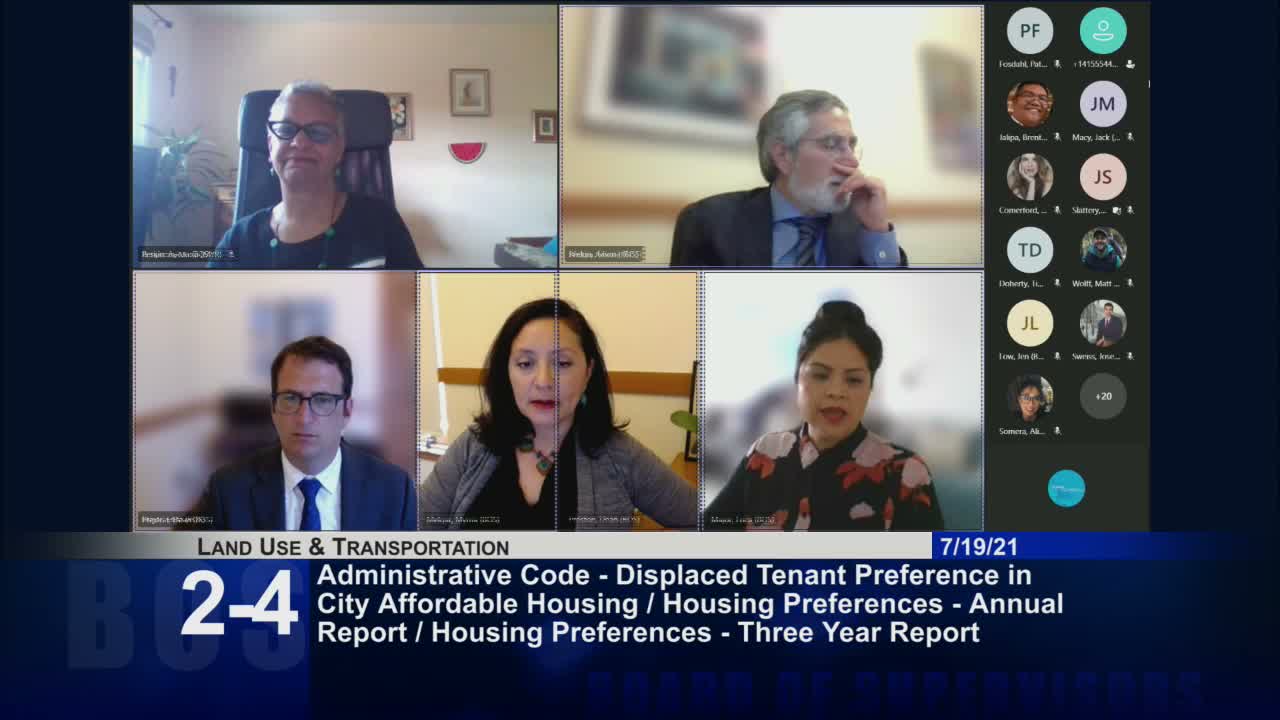
In a pivotal meeting held at San Francisco City Hall, city officials gathered to discuss an ordinance aimed at amending the environment code, a significant step towards updating the city’s climate action goals and planning processes. The meeting, led by Climate Program Manager Cindy Comerford from the Department of the Environment, highlighted the urgent need for San Francisco to adapt its climate strategies in light of evolving scientific understanding and the pressing realities of climate change.
Comerford presented a comprehensive overview of the proposed updates to Chapter 9 of the environment code, which has not seen significant revisions since 2008. The ordinance seeks to unify city departments under a common set of climate goals, emphasizing the necessity of reducing greenhouse gas emissions to combat global warming effectively. The ambitious targets include a 61% reduction in sector-based emissions by 2030 and achieving net-zero emissions by 2045.
The meeting underscored the importance of a dual approach to emissions reduction, distinguishing between sector-based emissions—those generated within the city—and consumption-based emissions, which account for the broader impact of goods consumed in San Francisco, even if produced elsewhere. This innovative perspective positions San Francisco as a leader in climate research, with plans to collaborate with academic institutions to refine these metrics further.
Key components of the ordinance include establishing clear departmental roles and responsibilities, ensuring that various city agencies contribute to the overarching climate goals. The legislation also mandates the city to update its Climate Action Plan every five years, ensuring that strategies remain relevant and effective in addressing climate challenges.
As the meeting progressed, Supervisor Peskin expressed support for the ambitious goals but raised concerns about the intersection of housing policy and climate action, suggesting that some public policy considerations may not fit neatly within the environmental framework.
The discussions at this meeting reflect a critical moment for San Francisco as it seeks to navigate the complexities of climate action while ensuring equitable outcomes for all residents. With the ordinance poised for approval, the city stands at the forefront of a transformative approach to environmental stewardship, aiming to set a precedent for urban climate policy across the nation.
Comerford presented a comprehensive overview of the proposed updates to Chapter 9 of the environment code, which has not seen significant revisions since 2008. The ordinance seeks to unify city departments under a common set of climate goals, emphasizing the necessity of reducing greenhouse gas emissions to combat global warming effectively. The ambitious targets include a 61% reduction in sector-based emissions by 2030 and achieving net-zero emissions by 2045.
The meeting underscored the importance of a dual approach to emissions reduction, distinguishing between sector-based emissions—those generated within the city—and consumption-based emissions, which account for the broader impact of goods consumed in San Francisco, even if produced elsewhere. This innovative perspective positions San Francisco as a leader in climate research, with plans to collaborate with academic institutions to refine these metrics further.
Key components of the ordinance include establishing clear departmental roles and responsibilities, ensuring that various city agencies contribute to the overarching climate goals. The legislation also mandates the city to update its Climate Action Plan every five years, ensuring that strategies remain relevant and effective in addressing climate challenges.
As the meeting progressed, Supervisor Peskin expressed support for the ambitious goals but raised concerns about the intersection of housing policy and climate action, suggesting that some public policy considerations may not fit neatly within the environmental framework.
The discussions at this meeting reflect a critical moment for San Francisco as it seeks to navigate the complexities of climate action while ensuring equitable outcomes for all residents. With the ordinance poised for approval, the city stands at the forefront of a transformative approach to environmental stewardship, aiming to set a precedent for urban climate policy across the nation.
Don't Miss a Word: See the Full Meeting!
Go beyond summaries. Unlock every video, transcript, and key insight with a Founder Membership.
✓
Get instant access to full meeting videos
✓
Search and clip any phrase from complete transcripts
✓
Receive AI-powered summaries & custom alerts
✓
Enjoy lifetime, unrestricted access to government data
30-day money-back guarantee
