San Francisco supervisors discuss expansion of public restroom access amid pandemic-related changes
June 10, 2021 | San Francisco County, California
This article was created by AI summarizing key points discussed. AI makes mistakes, so for full details and context, please refer to the video of the full meeting. Please report any errors so we can fix them. Report an error »
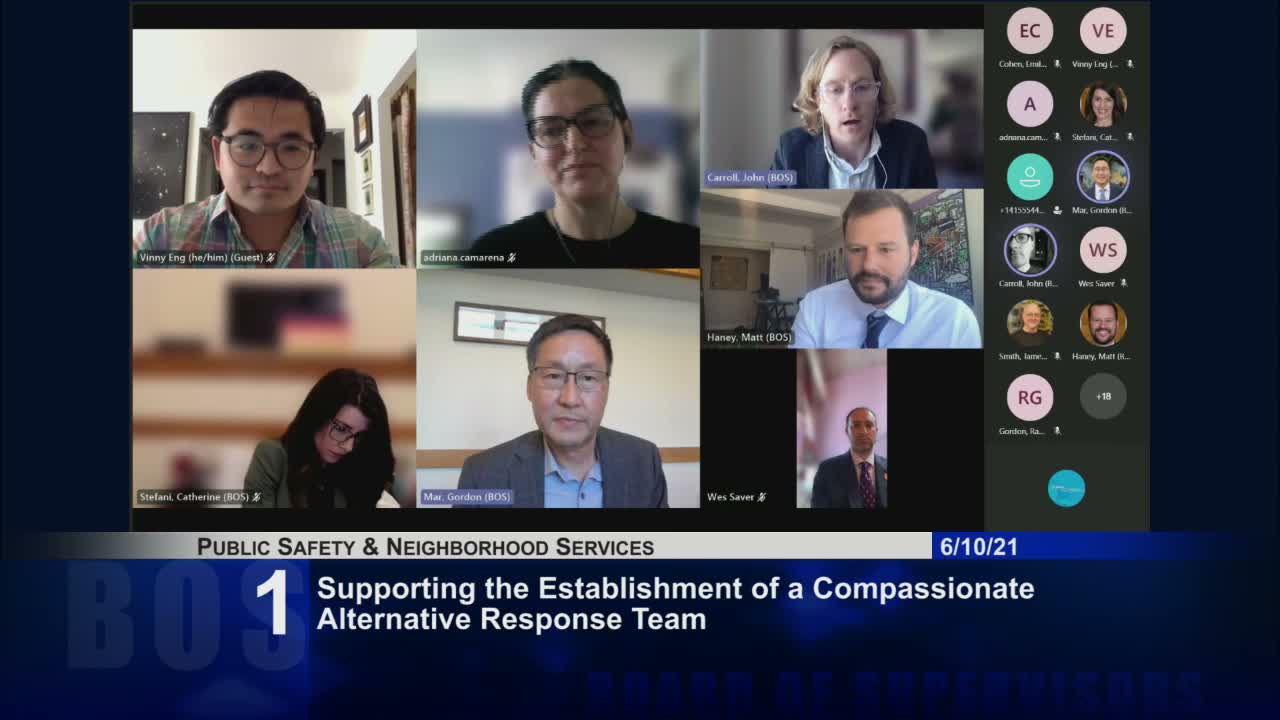
In a recent San Francisco County government meeting, officials discussed the critical status of the city's public works 24-hour pit stop program and the ongoing need for accessible public restrooms. The hearing, led by Supervisor Matt Haney, highlighted the importance of clean and safe bathroom access as a fundamental human right, particularly in the context of the city's unhoused population and the broader community.
The meeting revealed that the pit stop program, which expanded significantly during the COVID-19 pandemic, has seen a reduction in the number of available public restrooms. From a peak of 55 pit stops, the current count has dropped to 36, with only 14 operating 24/7. This decline raises concerns about public health and hygiene, especially given that San Francisco logged over 15,000 feces complaints between April and November 2020, indicating a pressing need for accessible facilities.
Supervisor Haney emphasized that the provision of public restrooms is not just a matter of convenience but is essential for maintaining the dignity and well-being of all residents, including gig workers and delivery drivers. The meeting also addressed the financial implications of maintaining the pit stop program, which currently costs approximately $13 million annually. Funding challenges were a significant topic, particularly regarding the anticipated reimbursement from FEMA, which has faced complications due to changing guidelines.
The discussion included a call for transparency in the decision-making process regarding the removal of temporary bathrooms, with concerns raised about the lack of notice given to the public when facilities were taken away. Officials acknowledged the need for better communication and outreach to ensure that residents are aware of restroom availability and any changes to the program.
As the city moves forward, the focus will be on maintaining and potentially expanding the pit stop program to meet the ongoing demand for public restrooms. The meeting concluded with a commitment to explore funding options and strategies to ensure that all residents have access to clean and safe facilities, reinforcing the importance of public health and community dignity in San Francisco.
The meeting revealed that the pit stop program, which expanded significantly during the COVID-19 pandemic, has seen a reduction in the number of available public restrooms. From a peak of 55 pit stops, the current count has dropped to 36, with only 14 operating 24/7. This decline raises concerns about public health and hygiene, especially given that San Francisco logged over 15,000 feces complaints between April and November 2020, indicating a pressing need for accessible facilities.
Supervisor Haney emphasized that the provision of public restrooms is not just a matter of convenience but is essential for maintaining the dignity and well-being of all residents, including gig workers and delivery drivers. The meeting also addressed the financial implications of maintaining the pit stop program, which currently costs approximately $13 million annually. Funding challenges were a significant topic, particularly regarding the anticipated reimbursement from FEMA, which has faced complications due to changing guidelines.
The discussion included a call for transparency in the decision-making process regarding the removal of temporary bathrooms, with concerns raised about the lack of notice given to the public when facilities were taken away. Officials acknowledged the need for better communication and outreach to ensure that residents are aware of restroom availability and any changes to the program.
As the city moves forward, the focus will be on maintaining and potentially expanding the pit stop program to meet the ongoing demand for public restrooms. The meeting concluded with a commitment to explore funding options and strategies to ensure that all residents have access to clean and safe facilities, reinforcing the importance of public health and community dignity in San Francisco.
Don't Miss a Word: See the Full Meeting!
Go beyond summaries. Unlock every video, transcript, and key insight with a Founder Membership.
✓
Get instant access to full meeting videos
✓
Search and clip any phrase from complete transcripts
✓
Receive AI-powered summaries & custom alerts
✓
Enjoy lifetime, unrestricted access to government data
30-day money-back guarantee
