San Francisco introduces ordinance to protect tenant amenities in ADU developments
July 21, 2021 | San Francisco City, San Francisco County, California
This article was created by AI summarizing key points discussed. AI makes mistakes, so for full details and context, please refer to the video of the full meeting. Please report any errors so we can fix them. Report an error »
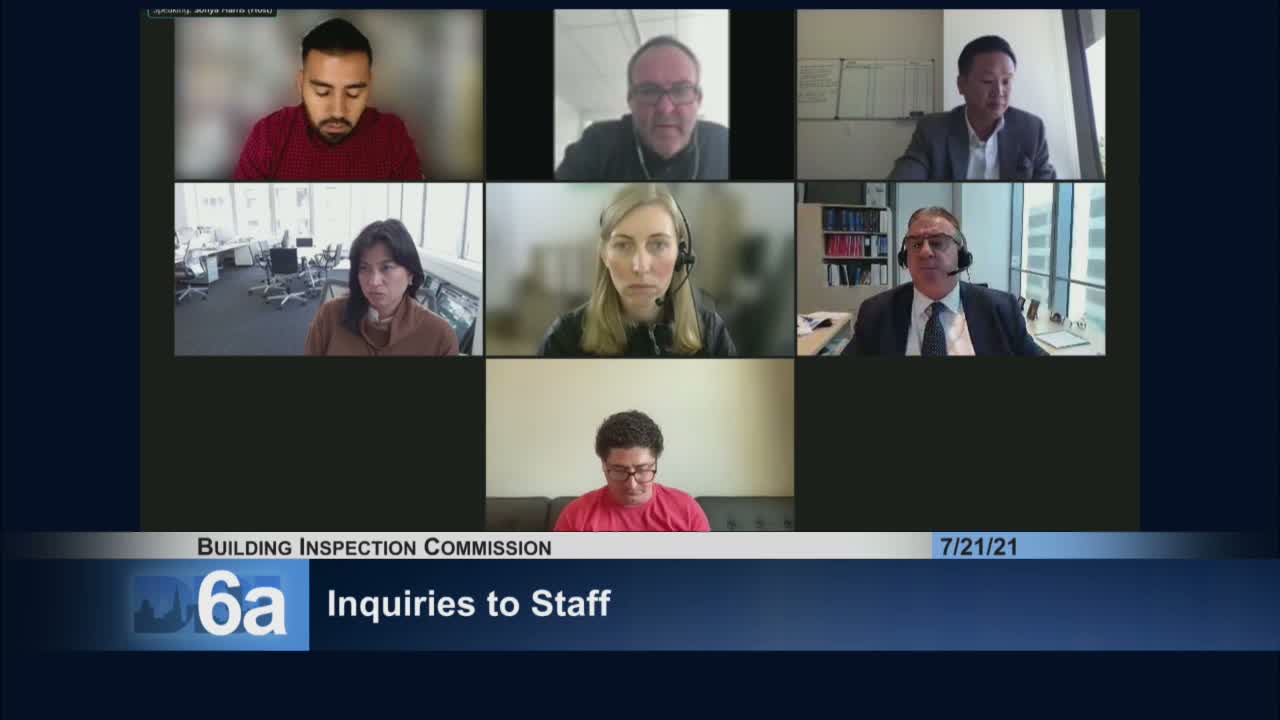
In a pivotal meeting held at San Francisco City Hall, city officials discussed a proposed ordinance aimed at amending the planning code to better protect tenant housing services amidst the growing trend of constructing accessory dwelling units (ADUs). The ordinance, introduced by Supervisor Mandelmann's office, seeks to clarify that landlords cannot remove essential tenant amenities—such as parking spaces, laundry facilities, and common areas—without just cause, even when adding new living spaces.
Jacob Bentliff, representing Supervisor Mandelmann, highlighted the increasing frequency of tenant complaints regarding the loss of these amenities in multifamily rent-controlled buildings. He noted that tenants from several buildings in District 8 reported concerns about losing vital services as owners sought to convert common areas into ADUs. The ordinance aims to reinforce existing protections under the tenant protection act of 2019, ensuring that any reduction or removal of housing services is justified.
The proposed changes include requiring landlords to notify tenants 15 days before submitting an ADU application and mandating a declaration to the rent board regarding any potential impacts on housing services. This declaration would help ensure that tenants are informed and that their rights are upheld during the permitting process.
Public comments during the meeting reflected a mix of support and concern. Advocates from the Housing Action Coalition emphasized the need for housing over parking, while representatives from the San Francisco Apartment Association warned that the ordinance could hinder the city's ability to address its housing shortage. They argued that existing laws already protect tenants and that enforcing these laws could be a more effective solution.
Commissioners expressed their support for the ordinance, recognizing the importance of balancing the need for additional housing with the rights of current tenants. They emphasized the necessity of maintaining community amenities that contribute to the quality of life for residents, particularly those in rent-controlled units.
As the city grapples with a housing crisis, this ordinance represents a significant step toward ensuring that the expansion of living spaces does not come at the expense of tenant rights and community resources. The planning commission is expected to review the ordinance further in September, with hopes that it will foster a fair and transparent process for both tenants and property owners.
Jacob Bentliff, representing Supervisor Mandelmann, highlighted the increasing frequency of tenant complaints regarding the loss of these amenities in multifamily rent-controlled buildings. He noted that tenants from several buildings in District 8 reported concerns about losing vital services as owners sought to convert common areas into ADUs. The ordinance aims to reinforce existing protections under the tenant protection act of 2019, ensuring that any reduction or removal of housing services is justified.
The proposed changes include requiring landlords to notify tenants 15 days before submitting an ADU application and mandating a declaration to the rent board regarding any potential impacts on housing services. This declaration would help ensure that tenants are informed and that their rights are upheld during the permitting process.
Public comments during the meeting reflected a mix of support and concern. Advocates from the Housing Action Coalition emphasized the need for housing over parking, while representatives from the San Francisco Apartment Association warned that the ordinance could hinder the city's ability to address its housing shortage. They argued that existing laws already protect tenants and that enforcing these laws could be a more effective solution.
Commissioners expressed their support for the ordinance, recognizing the importance of balancing the need for additional housing with the rights of current tenants. They emphasized the necessity of maintaining community amenities that contribute to the quality of life for residents, particularly those in rent-controlled units.
As the city grapples with a housing crisis, this ordinance represents a significant step toward ensuring that the expansion of living spaces does not come at the expense of tenant rights and community resources. The planning commission is expected to review the ordinance further in September, with hopes that it will foster a fair and transparent process for both tenants and property owners.
View the Full Meeting & All Its Details
This article offers just a summary. Unlock complete video, transcripts, and insights as a Founder Member.
✓
Watch full, unedited meeting videos
✓
Search every word spoken in unlimited transcripts
✓
AI summaries & real-time alerts (all government levels)
✓
Permanent access to expanding government content
30-day money-back guarantee
