Finance Committee updates San Francisco nonprofit contracts amid staffing and payroll challenges
July 05, 2022 | San Francisco City, San Francisco County, California
This article was created by AI summarizing key points discussed. AI makes mistakes, so for full details and context, please refer to the video of the full meeting. Please report any errors so we can fix them. Report an error »
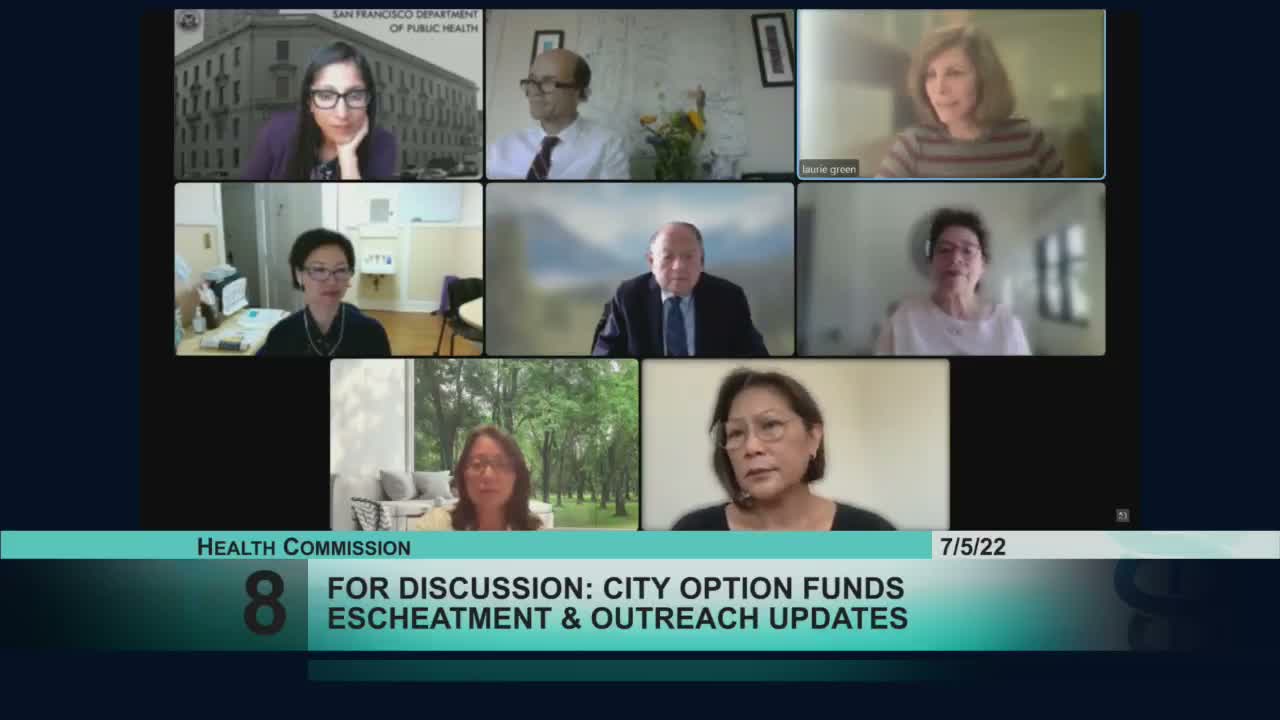
In a recent meeting of the San Francisco Commission, significant discussions centered around the Finance and Planning Committee's updates, highlighting the ongoing challenges faced by local nonprofits and the city's approach to contract management. The committee, led by Commissioner Chow, reviewed a substantial number of contracts, including renewals and new agreements, aimed at addressing critical community services.
The committee's review encompassed 13 contracts, primarily renewals of five-year agreements, reflecting a strategic decision to maintain oversight while ensuring continuity of services. Notably, the San Francisco Study Center was introduced as a new intermediary to enhance health equity initiatives, demonstrating a commitment to community engagement in health-related matters. Additionally, a new contract with Family Services was approved, focusing on services for the Deaf, which underscores the city's dedication to inclusivity.
However, the meeting also revealed underlying issues within the nonprofit sector, particularly staffing shortages exacerbated by the COVID-19 pandemic. Many nonprofit staff members transitioned to city roles, creating gaps in service delivery. The committee acknowledged these challenges and is working on solutions to bolster nonprofit workforce capacity.
A critical point of discussion was the financial difficulties faced by the Positive Resource Center and Baker Place, which prompted the Board of Supervisors to allocate approximately $1.3 million to address payroll shortfalls. This funding is essential to maintain vital services and prevent disruptions that could affect vulnerable populations relying on these organizations.
Commissioners expressed the need for ongoing oversight and accountability, particularly regarding large contracts and their implications for service delivery. The meeting concluded with a call for further discussions on how to effectively manage and support nonprofit organizations while ensuring they meet performance standards.
Public comments during the meeting raised concerns about transparency and accountability within nonprofits, emphasizing the importance of empirical data in funding requests. This feedback highlights the community's demand for responsible management of public resources and the necessity for nonprofits to demonstrate their effectiveness.
Overall, the meeting underscored the city's commitment to supporting essential services while navigating the complexities of nonprofit management in a post-pandemic landscape. The Commission's proactive approach aims to balance accountability with the need for flexibility in addressing the evolving challenges faced by community service providers.
The committee's review encompassed 13 contracts, primarily renewals of five-year agreements, reflecting a strategic decision to maintain oversight while ensuring continuity of services. Notably, the San Francisco Study Center was introduced as a new intermediary to enhance health equity initiatives, demonstrating a commitment to community engagement in health-related matters. Additionally, a new contract with Family Services was approved, focusing on services for the Deaf, which underscores the city's dedication to inclusivity.
However, the meeting also revealed underlying issues within the nonprofit sector, particularly staffing shortages exacerbated by the COVID-19 pandemic. Many nonprofit staff members transitioned to city roles, creating gaps in service delivery. The committee acknowledged these challenges and is working on solutions to bolster nonprofit workforce capacity.
A critical point of discussion was the financial difficulties faced by the Positive Resource Center and Baker Place, which prompted the Board of Supervisors to allocate approximately $1.3 million to address payroll shortfalls. This funding is essential to maintain vital services and prevent disruptions that could affect vulnerable populations relying on these organizations.
Commissioners expressed the need for ongoing oversight and accountability, particularly regarding large contracts and their implications for service delivery. The meeting concluded with a call for further discussions on how to effectively manage and support nonprofit organizations while ensuring they meet performance standards.
Public comments during the meeting raised concerns about transparency and accountability within nonprofits, emphasizing the importance of empirical data in funding requests. This feedback highlights the community's demand for responsible management of public resources and the necessity for nonprofits to demonstrate their effectiveness.
Overall, the meeting underscored the city's commitment to supporting essential services while navigating the complexities of nonprofit management in a post-pandemic landscape. The Commission's proactive approach aims to balance accountability with the need for flexibility in addressing the evolving challenges faced by community service providers.
View the Full Meeting & All Its Details
This article offers just a summary. Unlock complete video, transcripts, and insights as a Founder Member.
✓
Watch full, unedited meeting videos
✓
Search every word spoken in unlimited transcripts
✓
AI summaries & real-time alerts (all government levels)
✓
Permanent access to expanding government content
30-day money-back guarantee
