Mayor's proposed $3B budget includes COVID response and HIV prevention initiatives
June 07, 2022 | San Francisco City, San Francisco County, California
This article was created by AI summarizing key points discussed. AI makes mistakes, so for full details and context, please refer to the video of the full meeting. Please report any errors so we can fix them. Report an error »
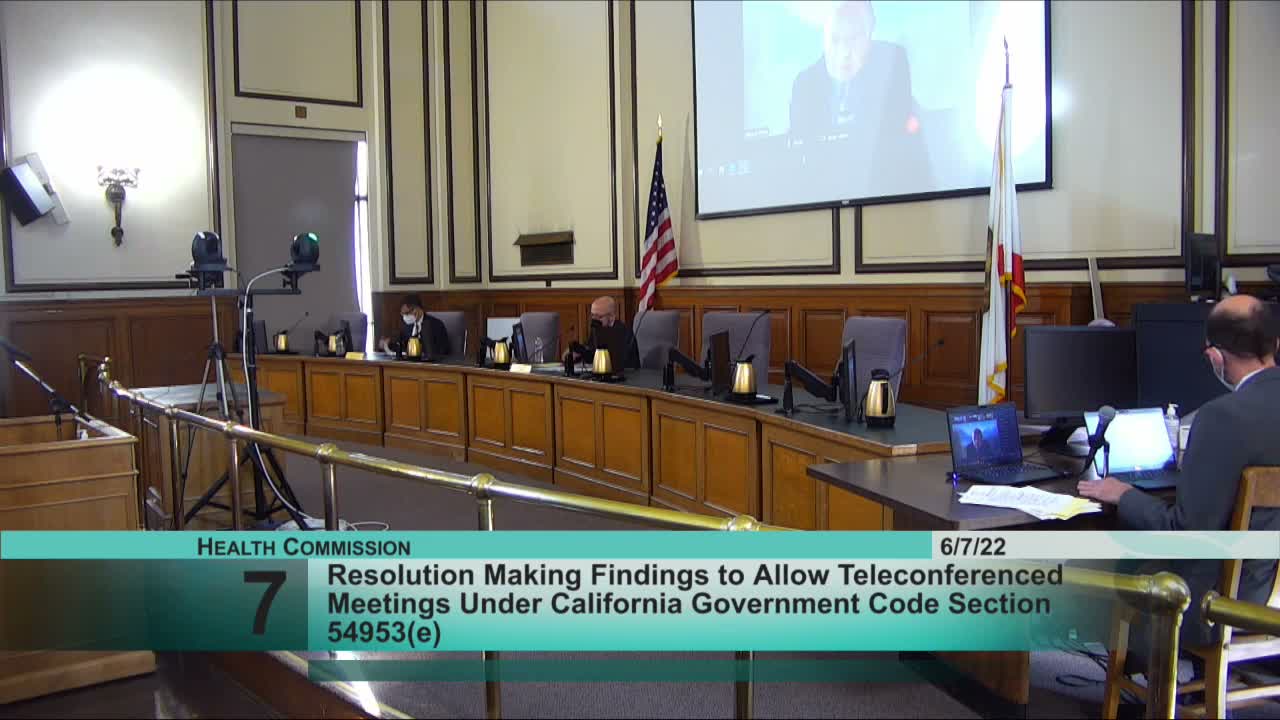
In a recent government meeting, the San Francisco Department of Public Health (DPH) presented an update on the mayor's proposed budget for the fiscal years 2022-2023 and 2023-2024. The budget, totaling nearly $3 billion, reflects a significant increase of $175 million, or approximately 6%, compared to the previous fiscal year. This increase is aimed at addressing various public health needs, including ongoing COVID-19 response efforts and enhancements in health services.
Jenny Louie, the DPH Chief Financial Officer, outlined key allocations within the budget. Notably, the budget continues funding for COVID-19 response initiatives, including testing and vaccination efforts, with a focus on equity in underserved neighborhoods. The DPH will maintain a baseline level of services, including case investigation and outbreak management, while also preparing for a gradual reduction in federal funding for these initiatives.
The budget also emphasizes investments in HIV prevention, with a commitment of $3 million aimed at achieving zero new infections and deaths. Additionally, the continuation of operations at the Tenderloin Center is supported with $10.6 million, ensuring vital services remain available through the end of 2022.
Louie highlighted the importance of compliance with new legislation that caps rent contributions for residents in permanent supportive housing, allocating $500,000 to mitigate potential revenue losses for community-based organizations. Furthermore, the budget includes a 5.25% wage increase for city employees, reflecting the city's commitment to supporting its workforce.
Looking ahead, the proposed budget will undergo further scrutiny by the Board of Supervisors' Budget and Finance Appropriations Committee, with hearings scheduled throughout June. The process will culminate in a final budget review by the full board in July, ensuring that the city's public health priorities are adequately funded and aligned with community needs.
This budget proposal not only addresses immediate public health challenges but also sets the stage for long-term investments in the health infrastructure of San Francisco, highlighting the city's ongoing commitment to improving health outcomes for all residents.
Jenny Louie, the DPH Chief Financial Officer, outlined key allocations within the budget. Notably, the budget continues funding for COVID-19 response initiatives, including testing and vaccination efforts, with a focus on equity in underserved neighborhoods. The DPH will maintain a baseline level of services, including case investigation and outbreak management, while also preparing for a gradual reduction in federal funding for these initiatives.
The budget also emphasizes investments in HIV prevention, with a commitment of $3 million aimed at achieving zero new infections and deaths. Additionally, the continuation of operations at the Tenderloin Center is supported with $10.6 million, ensuring vital services remain available through the end of 2022.
Louie highlighted the importance of compliance with new legislation that caps rent contributions for residents in permanent supportive housing, allocating $500,000 to mitigate potential revenue losses for community-based organizations. Furthermore, the budget includes a 5.25% wage increase for city employees, reflecting the city's commitment to supporting its workforce.
Looking ahead, the proposed budget will undergo further scrutiny by the Board of Supervisors' Budget and Finance Appropriations Committee, with hearings scheduled throughout June. The process will culminate in a final budget review by the full board in July, ensuring that the city's public health priorities are adequately funded and aligned with community needs.
This budget proposal not only addresses immediate public health challenges but also sets the stage for long-term investments in the health infrastructure of San Francisco, highlighting the city's ongoing commitment to improving health outcomes for all residents.
Don't Miss a Word: See the Full Meeting!
Go beyond summaries. Unlock every video, transcript, and key insight with a Founder Membership.
✓
Get instant access to full meeting videos
✓
Search and clip any phrase from complete transcripts
✓
Receive AI-powered summaries & custom alerts
✓
Enjoy lifetime, unrestricted access to government data
30-day money-back guarantee
