Controller's Office reviews ethics violations in SF Environment's partnership with Recology
May 13, 2022 | San Francisco City, San Francisco County, California
This article was created by AI summarizing key points discussed. AI makes mistakes, so for full details and context, please refer to the video of the full meeting. Please report any errors so we can fix them. Report an error »
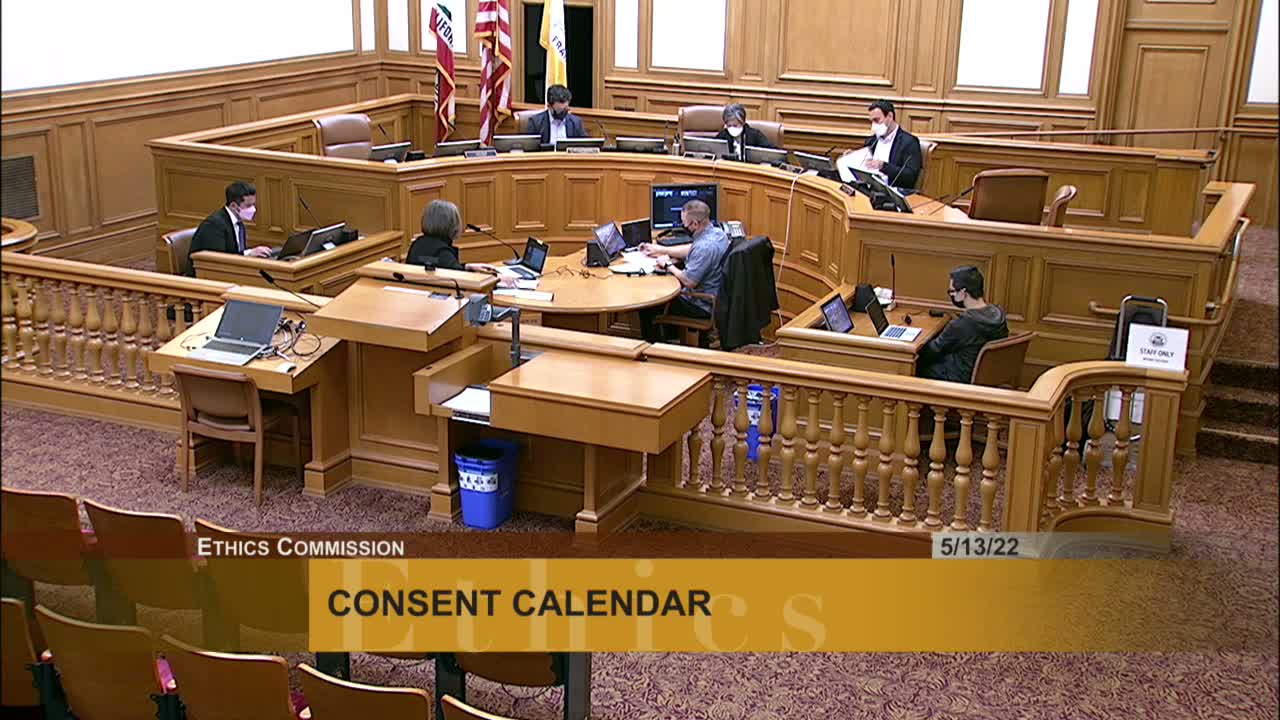
A critical report from the San Francisco Controller's Office has unveiled serious ethical lapses within the Department of Environment, particularly regarding its relationship with waste management company Recology. The findings, presented during a recent city commission meeting, highlight a troubling lack of compliance with ethics rules, including the acceptance of gifts from a restricted source.
Director Mark De La Rosa, leading the presentation, emphasized that this assessment is part of an ongoing effort to enhance transparency and accountability in city government, particularly in light of past corruption cases. The report, which is the ninth in a series of public integrity reviews initiated after the Mohamed Nuru corruption scandal, outlines several key findings and recommendations aimed at rectifying these issues.
Among the most alarming revelations is the department's failure to clearly define its role in the refuse rate-setting process, which has led to confusion and potential conflicts of interest. The report also criticizes the lax ethical tone set by former director Debbie Raphael, who reportedly solicited donations from Recology while overseeing contracts with the company. This behavior, while not illegal at the time, raises significant ethical concerns, especially given the recent implementation of stricter gift laws.
The Controller's Office has made several recommendations, including the need for the Department of Environment to establish a stronger ethical framework and ensure all staff undergo mandatory ethics training. Additionally, the report calls for the formalization of relationships with non-city organizations, such as the Friends of SF Environment, to enhance accountability.
Commissioners expressed their gratitude for the thoroughness of the report while also acknowledging the need for ongoing improvements in ethical practices across city departments. The discussions underscored a collective commitment to addressing these issues and preventing future ethical breaches.
As the city moves forward, the implications of this report could lead to significant changes in how the Department of Environment operates, with a focus on fostering a culture of integrity and compliance. The Controller's Office is expected to continue its oversight, with further assessments planned to ensure that recommendations are implemented effectively.
Director Mark De La Rosa, leading the presentation, emphasized that this assessment is part of an ongoing effort to enhance transparency and accountability in city government, particularly in light of past corruption cases. The report, which is the ninth in a series of public integrity reviews initiated after the Mohamed Nuru corruption scandal, outlines several key findings and recommendations aimed at rectifying these issues.
Among the most alarming revelations is the department's failure to clearly define its role in the refuse rate-setting process, which has led to confusion and potential conflicts of interest. The report also criticizes the lax ethical tone set by former director Debbie Raphael, who reportedly solicited donations from Recology while overseeing contracts with the company. This behavior, while not illegal at the time, raises significant ethical concerns, especially given the recent implementation of stricter gift laws.
The Controller's Office has made several recommendations, including the need for the Department of Environment to establish a stronger ethical framework and ensure all staff undergo mandatory ethics training. Additionally, the report calls for the formalization of relationships with non-city organizations, such as the Friends of SF Environment, to enhance accountability.
Commissioners expressed their gratitude for the thoroughness of the report while also acknowledging the need for ongoing improvements in ethical practices across city departments. The discussions underscored a collective commitment to addressing these issues and preventing future ethical breaches.
As the city moves forward, the implications of this report could lead to significant changes in how the Department of Environment operates, with a focus on fostering a culture of integrity and compliance. The Controller's Office is expected to continue its oversight, with further assessments planned to ensure that recommendations are implemented effectively.
View the Full Meeting & All Its Details
This article offers just a summary. Unlock complete video, transcripts, and insights as a Founder Member.
✓
Watch full, unedited meeting videos
✓
Search every word spoken in unlimited transcripts
✓
AI summaries & real-time alerts (all government levels)
✓
Permanent access to expanding government content
30-day money-back guarantee
