San Francisco MTA discusses Racial Equity Action Plan amid employee concerns
March 17, 2022 | San Francisco County, California
This article was created by AI summarizing key points discussed. AI makes mistakes, so for full details and context, please refer to the video of the full meeting. Please report any errors so we can fix them. Report an error »
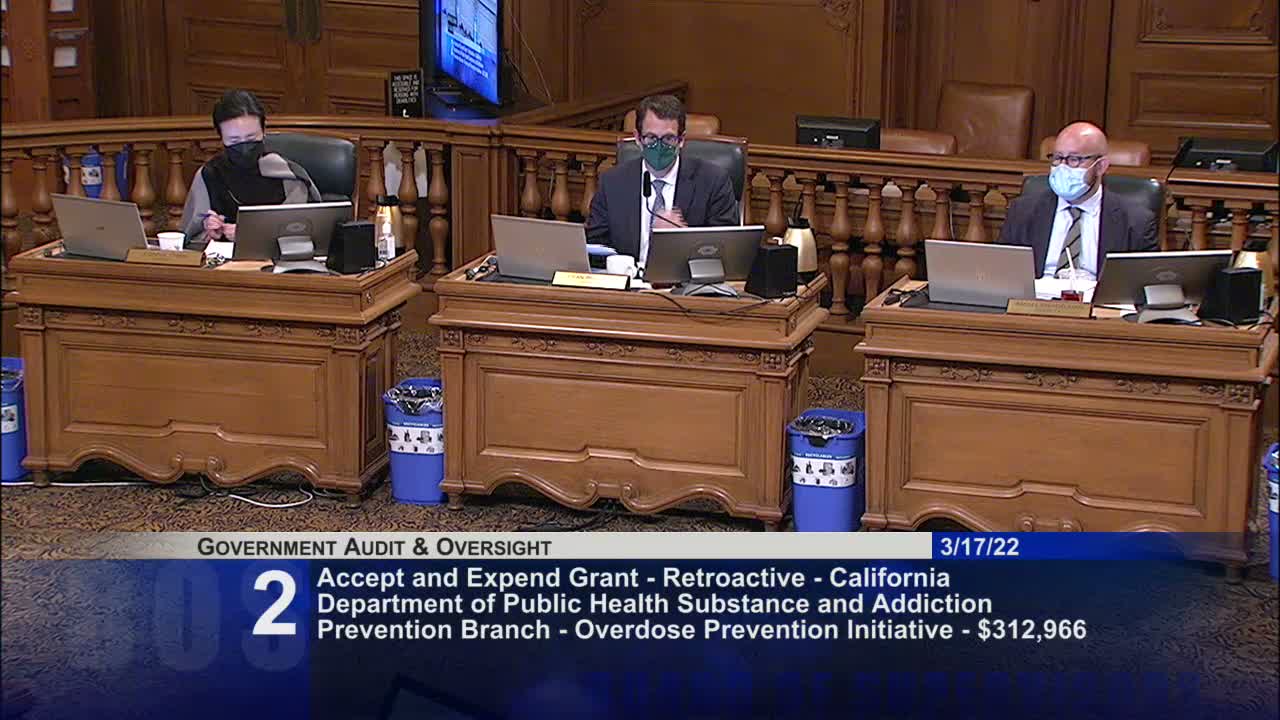
The San Francisco County Board of Supervisors convened a significant meeting on July 4, 2025, focusing on the implementation of the San Francisco Municipal Transportation Agency's (SFMTA) Racial Equity Action Plan. This hearing was prompted by numerous concerns raised by SFMTA employees regarding a toxic work environment characterized by bullying and discrimination, particularly against women and people of color.
Vice Chair Chan opened the discussion by emphasizing the importance of addressing systemic barriers within the agency. She expressed a commitment to holding city departments accountable for fostering an equitable workplace. Josephine Ayanokoya, the SFMTA's Racial Equity Officer, presented updates on the agency's efforts to improve hiring practices and disciplinary actions, which have been areas of concern. Ayanokoya highlighted the need for a data-driven approach to identify gaps in representation and to ensure that racial equity standards are integrated into all operations.
The presentation revealed troubling statistics: while the overall workforce at SFMTA is predominantly people of color, management positions remain largely occupied by white employees. Ayanokoya noted that Black and Latinx staff have faced disproportionate disciplinary actions, raising alarms about potential biases in the system. She outlined plans for ongoing training and workshops aimed at addressing these disparities and fostering a more inclusive environment.
Public comments during the meeting underscored the urgency of these issues. Former employees and current staff voiced their frustrations about the lack of accountability and the persistence of a hostile work culture. They called for more transparency in disciplinary processes and for management to be held accountable for their actions. Concerns were also raised about the effectiveness of outreach efforts to BIPOC communities in recruitment and engagement.
In conclusion, the meeting highlighted the SFMTA's commitment to advancing racial equity but also revealed significant challenges that need to be addressed. The board's ongoing oversight will be crucial in ensuring that the agency not only implements its action plan but also fosters a workplace where all employees feel valued and supported. The next steps will involve regular updates on progress and continued dialogue with staff to build trust and accountability within the agency.
Vice Chair Chan opened the discussion by emphasizing the importance of addressing systemic barriers within the agency. She expressed a commitment to holding city departments accountable for fostering an equitable workplace. Josephine Ayanokoya, the SFMTA's Racial Equity Officer, presented updates on the agency's efforts to improve hiring practices and disciplinary actions, which have been areas of concern. Ayanokoya highlighted the need for a data-driven approach to identify gaps in representation and to ensure that racial equity standards are integrated into all operations.
The presentation revealed troubling statistics: while the overall workforce at SFMTA is predominantly people of color, management positions remain largely occupied by white employees. Ayanokoya noted that Black and Latinx staff have faced disproportionate disciplinary actions, raising alarms about potential biases in the system. She outlined plans for ongoing training and workshops aimed at addressing these disparities and fostering a more inclusive environment.
Public comments during the meeting underscored the urgency of these issues. Former employees and current staff voiced their frustrations about the lack of accountability and the persistence of a hostile work culture. They called for more transparency in disciplinary processes and for management to be held accountable for their actions. Concerns were also raised about the effectiveness of outreach efforts to BIPOC communities in recruitment and engagement.
In conclusion, the meeting highlighted the SFMTA's commitment to advancing racial equity but also revealed significant challenges that need to be addressed. The board's ongoing oversight will be crucial in ensuring that the agency not only implements its action plan but also fosters a workplace where all employees feel valued and supported. The next steps will involve regular updates on progress and continued dialogue with staff to build trust and accountability within the agency.
View the Full Meeting & All Its Details
This article offers just a summary. Unlock complete video, transcripts, and insights as a Founder Member.
✓
Watch full, unedited meeting videos
✓
Search every word spoken in unlimited transcripts
✓
AI summaries & real-time alerts (all government levels)
✓
Permanent access to expanding government content
30-day money-back guarantee
