Indian Education Parent Advisory Council advocates for Native American curriculum and cultural recognition
December 13, 2022 | San Francisco City, San Francisco County, California
This article was created by AI summarizing key points discussed. AI makes mistakes, so for full details and context, please refer to the video of the full meeting. Please report any errors so we can fix them. Report an error »
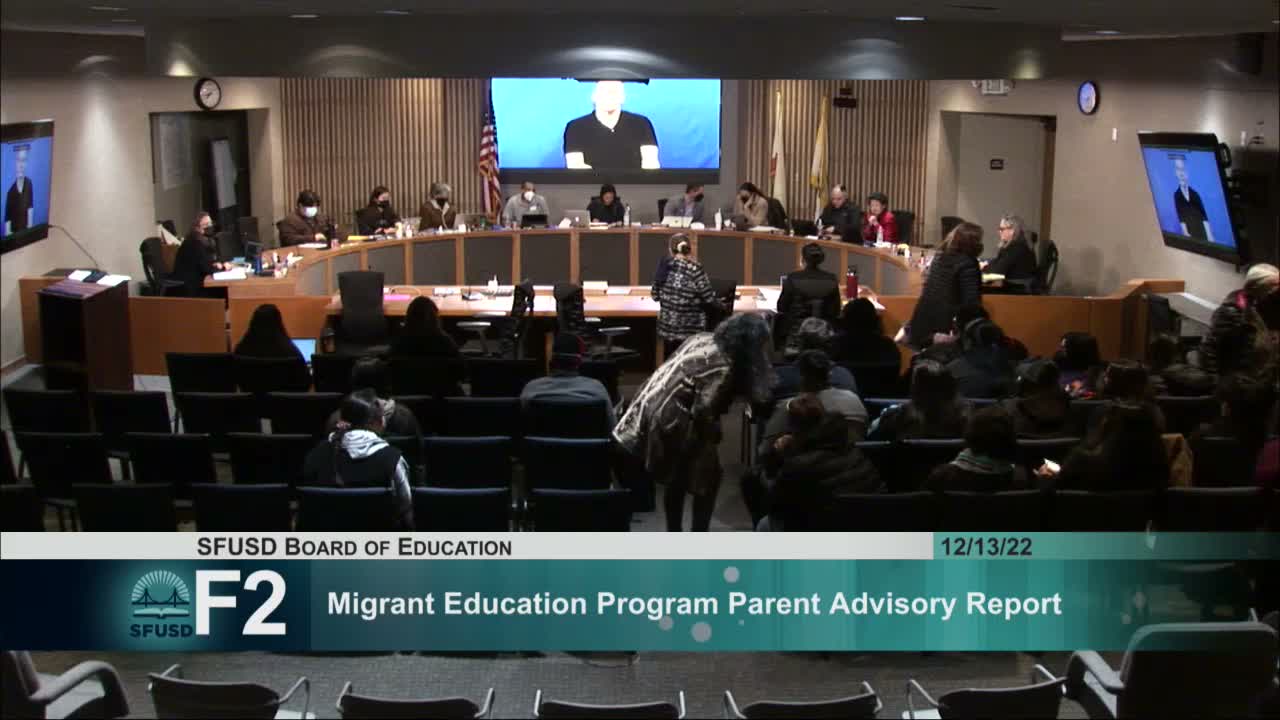
In a vibrant gathering at San Francisco City Hall, members of the Indian Education Parent Advisory Council passionately addressed the challenges and triumphs of the American Indian and Alaskan Native community within the educational system. The meeting, held on July 4, 2025, showcased the voices of students, parents, and educators, all united in their commitment to reclaiming their narrative and advocating for systemic change.
Adri Almaguer, the program manager of the Indian Education program, opened the discussion by highlighting the program's rich history since its establishment in 1971. It aims to support the educational and cultural needs of the Native community through academic advocacy, tutoring, and cultural workshops. Almaguer emphasized the importance of community partnerships, which have been instrumental in the program's success.
Lisa Miller, chairperson of the Parent Advisory Committee, shared the historical context of disenfranchisement faced by the American Indian community, referencing the painful legacy of residential schools and assimilation policies. She noted recent advancements, such as increased representation in government and the establishment of the American Indian Cultural Center, while also acknowledging ongoing struggles, particularly in the realm of education.
Students took the stage to voice their experiences and concerns. They highlighted alarming statistics, including the highest suicide and dropout rates among ethnic groups, and called for greater recognition of Native American Heritage Month in schools. Samantha Duarte, a senior, presented a newly drafted land acknowledgment aimed at educating younger generations about the significance of the land they inhabit.
The discussion also turned to the contentious issue of racist imagery in schools, particularly the George Washington mural at George Washington High School. Students expressed their dismay over the Board of Education's decision to retain the mural, which they argue glorifies a history of genocide and oppression. They called for its removal, urging the district to prioritize the emotional well-being of Native students.
Community members echoed these sentiments, urging the Board to recommit to the resolution passed in 2021, which includes a formal apology for historical trauma and a commitment to updating curricula to reflect accurate representations of Native history. They emphasized the need for advocacy in school selection and hiring practices to ensure Native representation within the educational system.
As the meeting concluded, the collective call for action resonated strongly. The community seeks not only acknowledgment of their struggles but also tangible changes that honor their heritage and support their youth. The voices of the students, filled with hope and determination, underscored a powerful message: the American Indian and Alaskan Native community is here to stay, and they will continue to fight for their rightful place in the narrative of education and history.
Adri Almaguer, the program manager of the Indian Education program, opened the discussion by highlighting the program's rich history since its establishment in 1971. It aims to support the educational and cultural needs of the Native community through academic advocacy, tutoring, and cultural workshops. Almaguer emphasized the importance of community partnerships, which have been instrumental in the program's success.
Lisa Miller, chairperson of the Parent Advisory Committee, shared the historical context of disenfranchisement faced by the American Indian community, referencing the painful legacy of residential schools and assimilation policies. She noted recent advancements, such as increased representation in government and the establishment of the American Indian Cultural Center, while also acknowledging ongoing struggles, particularly in the realm of education.
Students took the stage to voice their experiences and concerns. They highlighted alarming statistics, including the highest suicide and dropout rates among ethnic groups, and called for greater recognition of Native American Heritage Month in schools. Samantha Duarte, a senior, presented a newly drafted land acknowledgment aimed at educating younger generations about the significance of the land they inhabit.
The discussion also turned to the contentious issue of racist imagery in schools, particularly the George Washington mural at George Washington High School. Students expressed their dismay over the Board of Education's decision to retain the mural, which they argue glorifies a history of genocide and oppression. They called for its removal, urging the district to prioritize the emotional well-being of Native students.
Community members echoed these sentiments, urging the Board to recommit to the resolution passed in 2021, which includes a formal apology for historical trauma and a commitment to updating curricula to reflect accurate representations of Native history. They emphasized the need for advocacy in school selection and hiring practices to ensure Native representation within the educational system.
As the meeting concluded, the collective call for action resonated strongly. The community seeks not only acknowledgment of their struggles but also tangible changes that honor their heritage and support their youth. The voices of the students, filled with hope and determination, underscored a powerful message: the American Indian and Alaskan Native community is here to stay, and they will continue to fight for their rightful place in the narrative of education and history.
View the Full Meeting & All Its Details
This article offers just a summary. Unlock complete video, transcripts, and insights as a Founder Member.
✓
Watch full, unedited meeting videos
✓
Search every word spoken in unlimited transcripts
✓
AI summaries & real-time alerts (all government levels)
✓
Permanent access to expanding government content
30-day money-back guarantee
