Living New Deal launches online archive of 17000 historical sites across the US
July 12, 2023 | San Francisco City, San Francisco County, California
This article was created by AI summarizing key points discussed. AI makes mistakes, so for full details and context, please refer to the video of the full meeting. Please report any errors so we can fix them. Report an error »
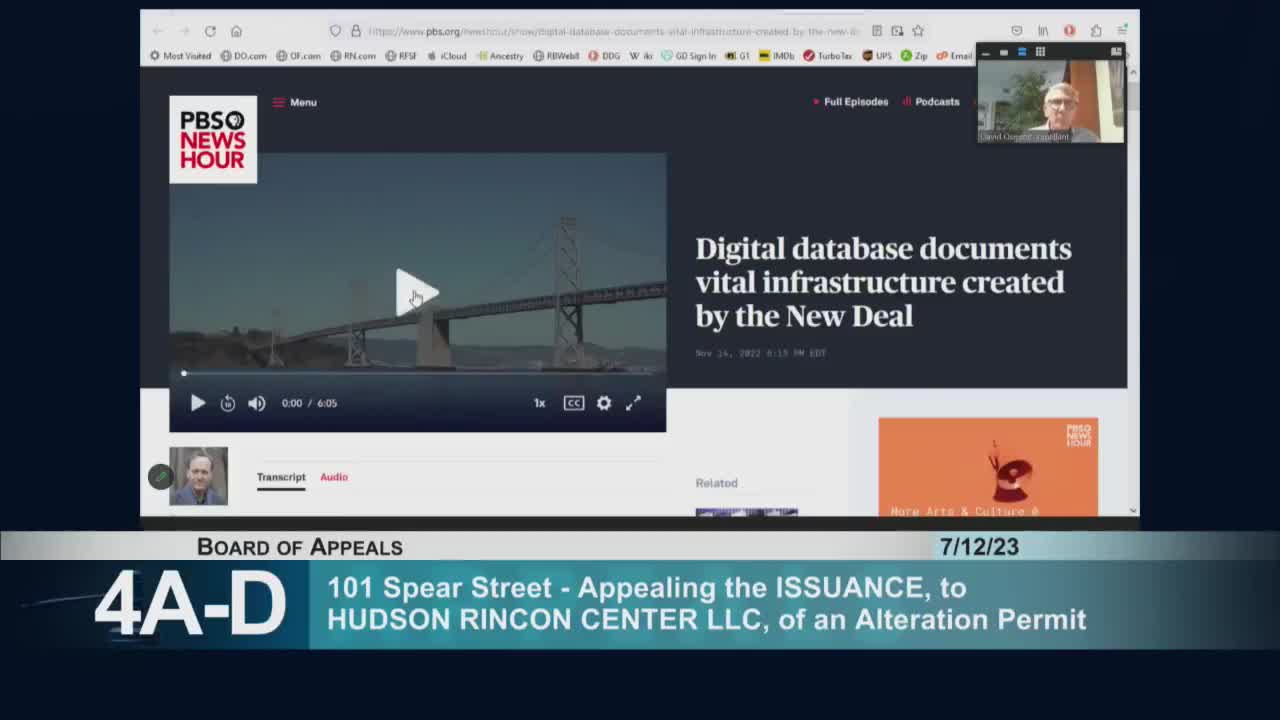
The City of San Francisco hosted a meeting on July 4, 2025, focusing on the preservation and recognition of historical sites linked to the New Deal era of the 1930s and 1940s. The agenda highlighted the importance of these sites, which include significant infrastructure and artworks created during a time of economic hardship.
The meeting began with a presentation on the Bay Bridge, a monumental structure completed in 1936 that connects San Francisco and Oakland. Historical geographer Ray Brecken emphasized the bridge as a symbol of the ambitious projects undertaken during the Great Depression, which included not only large-scale constructions like LaGuardia Airport and the Hoover Dam but also smaller community projects such as libraries and sidewalks.
Brecken introduced the "Living New Deal," an online archive he established in 2005 that documents over 17,000 New Deal-related sites across the United States. This initiative aims to enhance public awareness of the historical significance of these locations and promote "landscape literacy," helping citizens recognize the contributions of past generations to contemporary society.
The meeting also featured discussions on notable artworks from the New Deal, particularly murals at the Rincon Annex Post Office in San Francisco, created by artist Anton Refrege in 1941. These murals depict California's history and have faced threats from real estate development in a city known for its high property values. However, the Rincon Annex was added to the National Register of Historic Places in 1979, ensuring its preservation.
The discussions underscored the collective ethics of the New Deal, which aimed to foster a society where everyone contributed to the common good. The meeting concluded with a commitment to continue documenting and preserving these vital pieces of American history, ensuring that the legacy of the New Deal remains visible and appreciated in the modern landscape.
The meeting began with a presentation on the Bay Bridge, a monumental structure completed in 1936 that connects San Francisco and Oakland. Historical geographer Ray Brecken emphasized the bridge as a symbol of the ambitious projects undertaken during the Great Depression, which included not only large-scale constructions like LaGuardia Airport and the Hoover Dam but also smaller community projects such as libraries and sidewalks.
Brecken introduced the "Living New Deal," an online archive he established in 2005 that documents over 17,000 New Deal-related sites across the United States. This initiative aims to enhance public awareness of the historical significance of these locations and promote "landscape literacy," helping citizens recognize the contributions of past generations to contemporary society.
The meeting also featured discussions on notable artworks from the New Deal, particularly murals at the Rincon Annex Post Office in San Francisco, created by artist Anton Refrege in 1941. These murals depict California's history and have faced threats from real estate development in a city known for its high property values. However, the Rincon Annex was added to the National Register of Historic Places in 1979, ensuring its preservation.
The discussions underscored the collective ethics of the New Deal, which aimed to foster a society where everyone contributed to the common good. The meeting concluded with a commitment to continue documenting and preserving these vital pieces of American history, ensuring that the legacy of the New Deal remains visible and appreciated in the modern landscape.
View the Full Meeting & All Its Details
This article offers just a summary. Unlock complete video, transcripts, and insights as a Founder Member.
✓
Watch full, unedited meeting videos
✓
Search every word spoken in unlimited transcripts
✓
AI summaries & real-time alerts (all government levels)
✓
Permanent access to expanding government content
30-day money-back guarantee
