San Francisco Board approves shelter grievance advisory committee to strengthen client rights
April 07, 2022 | San Francisco County, California
This article was created by AI summarizing key points discussed. AI makes mistakes, so for full details and context, please refer to the video of the full meeting. Please report any errors so we can fix them. Report an error »
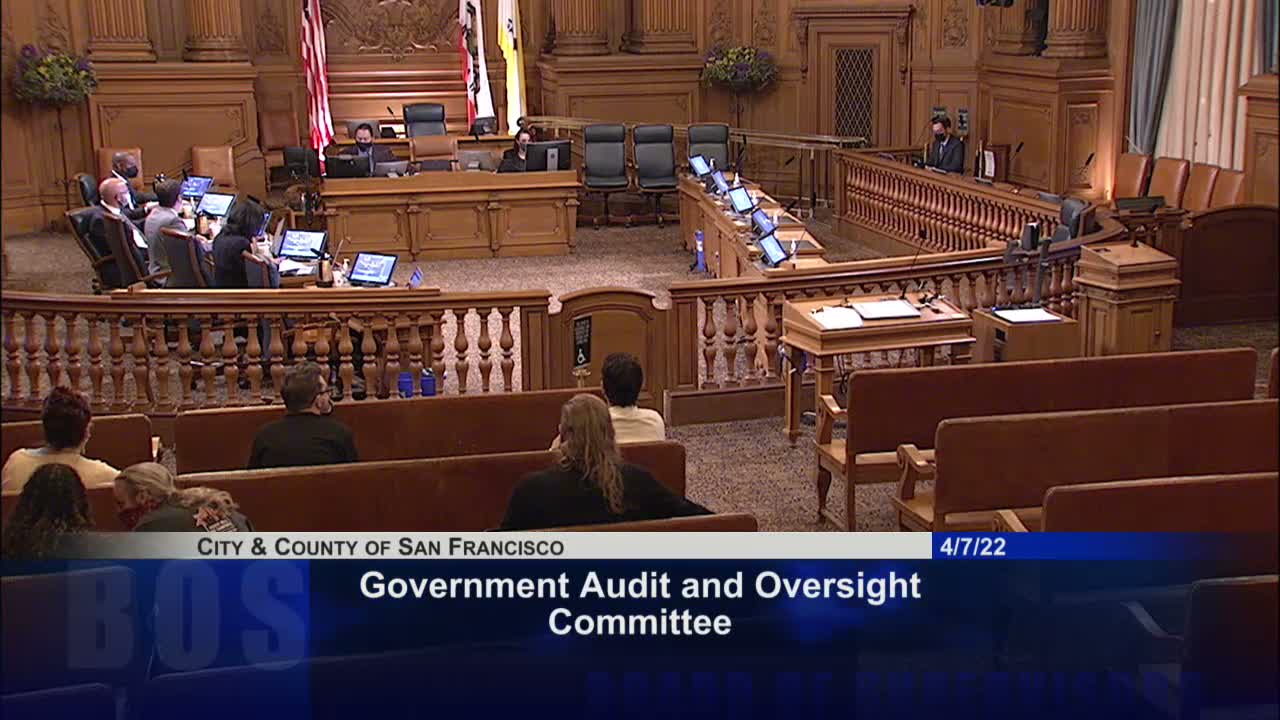
In a recent San Francisco County government meeting, officials discussed a significant ordinance aimed at enhancing the rights of individuals utilizing city-funded shelters. The proposed legislation seeks to establish a Shelter Grievance Advisory Committee, which will provide a structured process for clients to appeal denials of shelter services. This initiative is particularly crucial as it aims to prevent unnecessary exits to the streets for unhoused individuals who may face immediate or non-immediate denials of service due to violations of shelter rules.
The ordinance, sponsored by Board President Shimon Walton, is designed to codify an existing shelter grievance policy that has been in place since 1992 but has never been formally included in the municipal code. This policy allows for a two-stage appeal process, ensuring that clients can contest decisions that could lead to their eviction from shelters. The goal is to protect the civil rights of shelter clients and maintain their access to essential services.
Walton emphasized the importance of this legislation, stating that it not only codifies a well-established policy but also clarifies the rights of unhoused residents. He noted that the legislation has garnered broad support from various community organizations, including the Coalition on Homelessness and the Eviction Defense Collaborative, highlighting a collective commitment to improving the shelter system's accountability and transparency.
The discussion also revealed a surprising gap in the municipal code, as many officials expressed their astonishment that such a vital policy had not been codified earlier. The meeting underscored a growing recognition of the need for a fair and speedy appeals process within the shelter system, which is essential for building trust among clients.
As the ordinance moves forward, it represents a critical step in ensuring that the rights of vulnerable populations are upheld and that the shelter system operates with greater integrity and respect for its clients. The anticipated next steps include further discussions and potential adjustments to the legislation before it is finalized.
The ordinance, sponsored by Board President Shimon Walton, is designed to codify an existing shelter grievance policy that has been in place since 1992 but has never been formally included in the municipal code. This policy allows for a two-stage appeal process, ensuring that clients can contest decisions that could lead to their eviction from shelters. The goal is to protect the civil rights of shelter clients and maintain their access to essential services.
Walton emphasized the importance of this legislation, stating that it not only codifies a well-established policy but also clarifies the rights of unhoused residents. He noted that the legislation has garnered broad support from various community organizations, including the Coalition on Homelessness and the Eviction Defense Collaborative, highlighting a collective commitment to improving the shelter system's accountability and transparency.
The discussion also revealed a surprising gap in the municipal code, as many officials expressed their astonishment that such a vital policy had not been codified earlier. The meeting underscored a growing recognition of the need for a fair and speedy appeals process within the shelter system, which is essential for building trust among clients.
As the ordinance moves forward, it represents a critical step in ensuring that the rights of vulnerable populations are upheld and that the shelter system operates with greater integrity and respect for its clients. The anticipated next steps include further discussions and potential adjustments to the legislation before it is finalized.
View the Full Meeting & All Its Details
This article offers just a summary. Unlock complete video, transcripts, and insights as a Founder Member.
✓
Watch full, unedited meeting videos
✓
Search every word spoken in unlimited transcripts
✓
AI summaries & real-time alerts (all government levels)
✓
Permanent access to expanding government content
30-day money-back guarantee
