San Francisco hearing addresses hazardous sidewalk conditions and accessibility challenges
December 13, 2021 | San Francisco County, California
This article was created by AI summarizing key points discussed. AI makes mistakes, so for full details and context, please refer to the video of the full meeting. Please report any errors so we can fix them. Report an error »
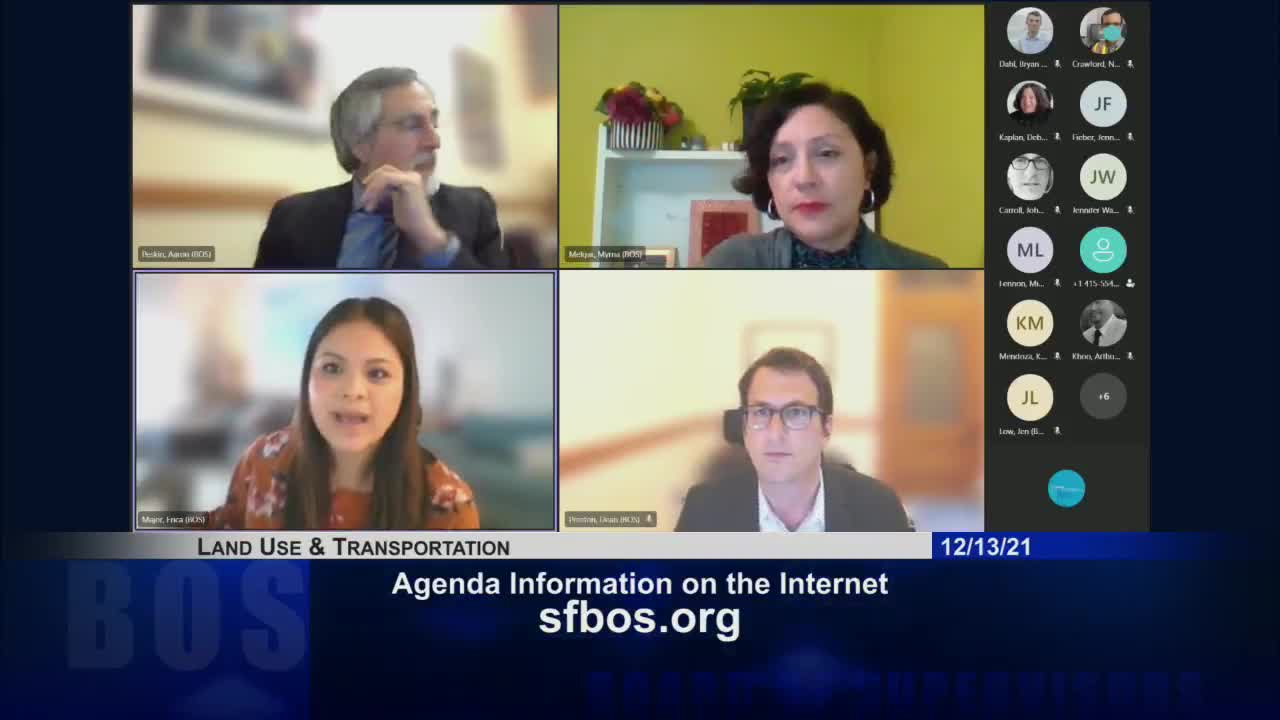
The San Francisco County government meeting on July 4, 2025, focused on the critical issue of sidewalk conditions and maintenance strategies aimed at enhancing safety and accessibility, particularly for individuals with disabilities. The hearing was initiated in response to growing community concerns regarding hazardous sidewalks and the inefficiencies in the complaint process for repairs.
Chair Melgar opened the session by highlighting the challenges faced by residents, especially those with limited mobility, in navigating the city’s sidewalks. She emphasized the need for transparency and efficiency in addressing repair complaints, which many community members found confusing. The meeting featured presentations from various city departments, including Public Works and the Mayor's Office of Disability, to clarify the processes involved in sidewalk maintenance and repair.
Jennifer Walsh from the Community Living Campaign presented findings from a survey indicating that a significant majority of respondents—89% being seniors or people with disabilities—reported encountering unsafe or inaccessible sidewalks. Walsh shared personal experiences and emphasized the urgent need for improvements, noting that many individuals have faced injuries due to poor sidewalk conditions.
Michael Lennon from Public Works explained the department's reactive approach to sidewalk complaints, detailing the process from complaint intake to repair. He noted that property owners are primarily responsible for sidewalk maintenance, but the city also has obligations in certain circumstances, such as damage caused by city trees or utilities. Lennon highlighted the challenges posed by the pandemic, which had temporarily halted some repair programs, but confirmed that operations were resuming with plans to increase proactive inspections.
Nicholas Crawford, also from Public Works, discussed the impact of street trees on sidewalk conditions and the city’s efforts to address tree-related damage through a program established by Proposition E. This initiative has allowed for rapid repairs of sidewalk uplift caused by tree roots, with a focus on high pedestrian areas.
Throughout the meeting, supervisors expressed concerns about the inequities in sidewalk maintenance across different neighborhoods, particularly in underserved areas. They emphasized the importance of proactive inspections and equitable resource allocation to ensure all communities receive adequate attention and repairs.
The meeting concluded with a commitment from city officials to improve communication about sidewalk maintenance processes and to prioritize safety for all residents, particularly those with disabilities. The discussions underscored the ongoing challenges and the need for a collaborative approach to enhance the accessibility of San Francisco's sidewalks.
Chair Melgar opened the session by highlighting the challenges faced by residents, especially those with limited mobility, in navigating the city’s sidewalks. She emphasized the need for transparency and efficiency in addressing repair complaints, which many community members found confusing. The meeting featured presentations from various city departments, including Public Works and the Mayor's Office of Disability, to clarify the processes involved in sidewalk maintenance and repair.
Jennifer Walsh from the Community Living Campaign presented findings from a survey indicating that a significant majority of respondents—89% being seniors or people with disabilities—reported encountering unsafe or inaccessible sidewalks. Walsh shared personal experiences and emphasized the urgent need for improvements, noting that many individuals have faced injuries due to poor sidewalk conditions.
Michael Lennon from Public Works explained the department's reactive approach to sidewalk complaints, detailing the process from complaint intake to repair. He noted that property owners are primarily responsible for sidewalk maintenance, but the city also has obligations in certain circumstances, such as damage caused by city trees or utilities. Lennon highlighted the challenges posed by the pandemic, which had temporarily halted some repair programs, but confirmed that operations were resuming with plans to increase proactive inspections.
Nicholas Crawford, also from Public Works, discussed the impact of street trees on sidewalk conditions and the city’s efforts to address tree-related damage through a program established by Proposition E. This initiative has allowed for rapid repairs of sidewalk uplift caused by tree roots, with a focus on high pedestrian areas.
Throughout the meeting, supervisors expressed concerns about the inequities in sidewalk maintenance across different neighborhoods, particularly in underserved areas. They emphasized the importance of proactive inspections and equitable resource allocation to ensure all communities receive adequate attention and repairs.
The meeting concluded with a commitment from city officials to improve communication about sidewalk maintenance processes and to prioritize safety for all residents, particularly those with disabilities. The discussions underscored the ongoing challenges and the need for a collaborative approach to enhance the accessibility of San Francisco's sidewalks.
Don't Miss a Word: See the Full Meeting!
Go beyond summaries. Unlock every video, transcript, and key insight with a Founder Membership.
✓
Get instant access to full meeting videos
✓
Search and clip any phrase from complete transcripts
✓
Receive AI-powered summaries & custom alerts
✓
Enjoy lifetime, unrestricted access to government data
30-day money-back guarantee
