District implements phonological awareness program to enhance reading skills in early education
November 22, 2024 | NORTHPORT-EAST NORTHPORT UNION FREE SCHOOL DISTRIC, School Districts, New York
This article was created by AI summarizing key points discussed. AI makes mistakes, so for full details and context, please refer to the video of the full meeting. Please report any errors so we can fix them. Report an error »
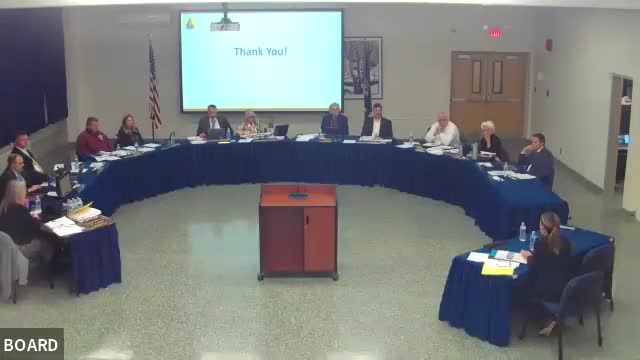
The Northport-East Northport Union Free School District Board of Education meeting on November 21, 2024, focused on significant advancements in reading instruction methods, particularly emphasizing phonological awareness and its impact on student learning.
During the meeting, educators discussed the transition to a new reading curriculum that prioritizes listening comprehension before reading comprehension. This shift is expected to take three to five years for teachers to fully adapt. The approach aims to enhance vocabulary development, especially for English Language Learners (ELLs). Teachers highlighted the use of innovative tools, such as handheld mirrors, to help students visualize and understand the mechanics of speech sounds during instruction.
The discussion also included insights into the importance of phonological awareness as a predictor of future reading success. Educators noted that understanding how sounds are produced—such as the shape of the mouth and the position of the tongue—can significantly aid in reading development. This method aligns with current research, suggesting that engaging students in the physical aspects of sound production can enhance their learning experience.
Additionally, the meeting addressed the challenges of teaching irregular words. Educators shared their shift from memorization techniques to a more systematic approach called the "heart word method." This method encourages students to break down words into their phonetic components, allowing them to understand and remember irregular spellings more effectively.
Overall, the meeting underscored the district's commitment to improving reading instruction through research-based practices that cater to how the brain processes language. The board expressed optimism about the potential benefits of these changes for all students, particularly those who may struggle with traditional reading methods.
During the meeting, educators discussed the transition to a new reading curriculum that prioritizes listening comprehension before reading comprehension. This shift is expected to take three to five years for teachers to fully adapt. The approach aims to enhance vocabulary development, especially for English Language Learners (ELLs). Teachers highlighted the use of innovative tools, such as handheld mirrors, to help students visualize and understand the mechanics of speech sounds during instruction.
The discussion also included insights into the importance of phonological awareness as a predictor of future reading success. Educators noted that understanding how sounds are produced—such as the shape of the mouth and the position of the tongue—can significantly aid in reading development. This method aligns with current research, suggesting that engaging students in the physical aspects of sound production can enhance their learning experience.
Additionally, the meeting addressed the challenges of teaching irregular words. Educators shared their shift from memorization techniques to a more systematic approach called the "heart word method." This method encourages students to break down words into their phonetic components, allowing them to understand and remember irregular spellings more effectively.
Overall, the meeting underscored the district's commitment to improving reading instruction through research-based practices that cater to how the brain processes language. The board expressed optimism about the potential benefits of these changes for all students, particularly those who may struggle with traditional reading methods.
View the Full Meeting & All Its Details
This article offers just a summary. Unlock complete video, transcripts, and insights as a Founder Member.
✓
Watch full, unedited meeting videos
✓
Search every word spoken in unlimited transcripts
✓
AI summaries & real-time alerts (all government levels)
✓
Permanent access to expanding government content
30-day money-back guarantee
