Stratford plans to assess sludge dewatering amid projected $300K deficit
May 14, 2024 | Town of Stratford, Fairfield, Connecticut
This article was created by AI summarizing key points discussed. AI makes mistakes, so for full details and context, please refer to the video of the full meeting. Please report any errors so we can fix them. Report an error »
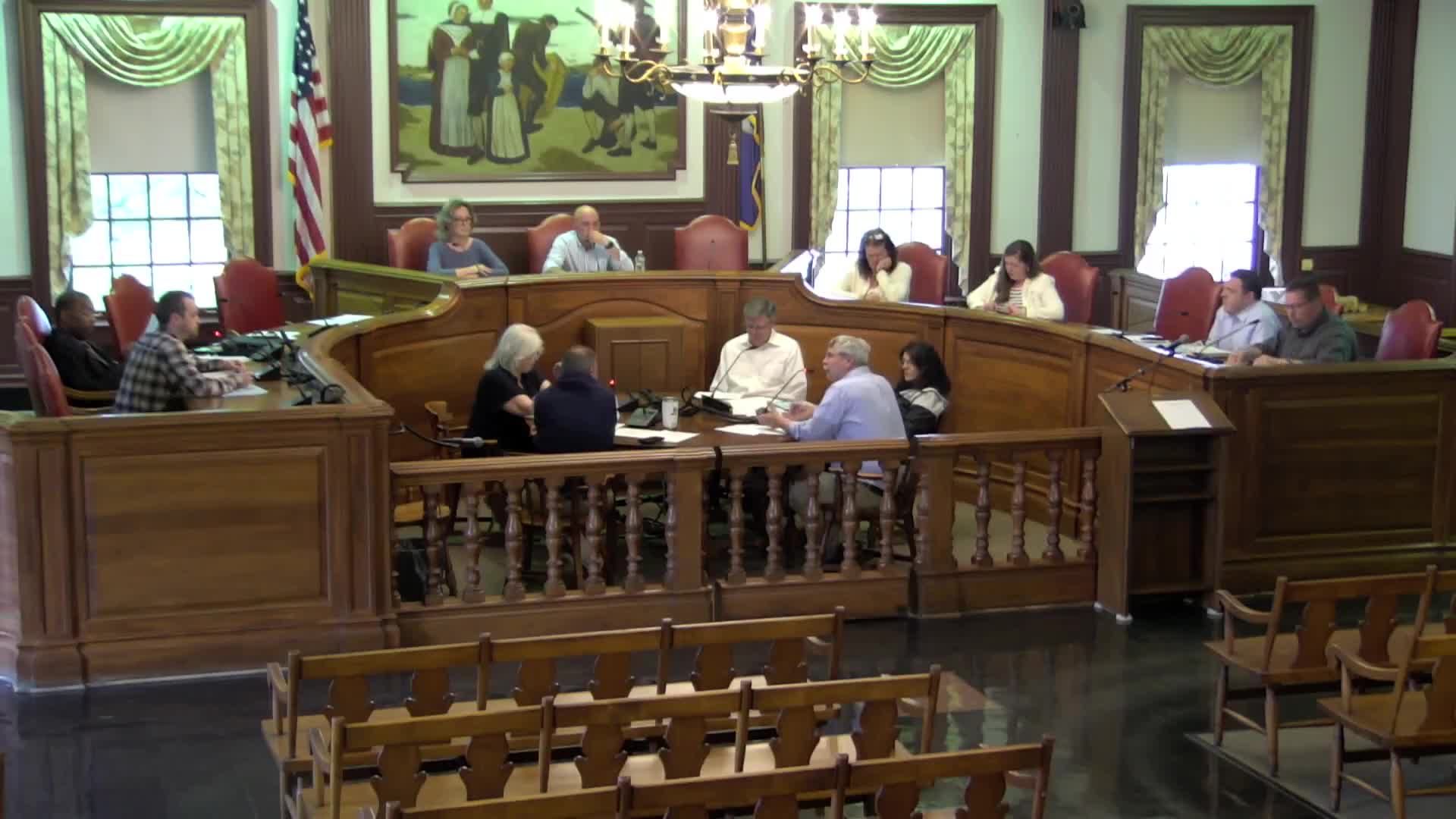
The Town of Stratford's Water Pollution Control Authority (WPCA) is facing a projected deficit of over $300,000 for the fiscal year 2024, primarily driven by rising sludge management costs. During a recent meeting on May 13, 2024, officials discussed the challenges associated with sludge disposal and the potential for investing in dewatering technology to reduce expenses.
Currently, the town is spending approximately $1.5 million on sludge disposal, significantly exceeding the budgeted amount. The WPCA is exploring the feasibility of dewatering sludge, which could potentially lower trucking costs and reduce the number of truckloads sent to incineration facilities. However, concerns were raised about the risks of investing up to $2 million in new equipment without clear regulatory guidelines and the possibility of future operational changes.
Officials noted that the existing sludge disposal process involves trucking about five loads daily to Naugatuck, costing the town around three-quarters of a million dollars annually. While dewatering could reduce this to approximately one truckload per day, the financial benefits remain uncertain, especially given the limited number of incineration facilities in the region and their current capacity constraints.
The discussion highlighted the complexities of sludge management, including the potential for increased costs if the town's current disposal partner opts to prioritize other clients due to reduced profitability from Stratford's sludge. As the WPCA continues to evaluate its options, the focus remains on balancing cost savings with the risks associated with new investments and regulatory compliance.
Moving forward, the WPCA will need to carefully assess the cost-benefit analysis of dewatering technology and its implications for the town's budget and operational efficiency. The outcome of these discussions will be crucial in addressing the financial challenges ahead and ensuring sustainable waste management practices for the community.
Currently, the town is spending approximately $1.5 million on sludge disposal, significantly exceeding the budgeted amount. The WPCA is exploring the feasibility of dewatering sludge, which could potentially lower trucking costs and reduce the number of truckloads sent to incineration facilities. However, concerns were raised about the risks of investing up to $2 million in new equipment without clear regulatory guidelines and the possibility of future operational changes.
Officials noted that the existing sludge disposal process involves trucking about five loads daily to Naugatuck, costing the town around three-quarters of a million dollars annually. While dewatering could reduce this to approximately one truckload per day, the financial benefits remain uncertain, especially given the limited number of incineration facilities in the region and their current capacity constraints.
The discussion highlighted the complexities of sludge management, including the potential for increased costs if the town's current disposal partner opts to prioritize other clients due to reduced profitability from Stratford's sludge. As the WPCA continues to evaluate its options, the focus remains on balancing cost savings with the risks associated with new investments and regulatory compliance.
Moving forward, the WPCA will need to carefully assess the cost-benefit analysis of dewatering technology and its implications for the town's budget and operational efficiency. The outcome of these discussions will be crucial in addressing the financial challenges ahead and ensuring sustainable waste management practices for the community.
Don't Miss a Word: See the Full Meeting!
Go beyond summaries. Unlock every video, transcript, and key insight with a Founder Membership.
✓
Get instant access to full meeting videos
✓
Search and clip any phrase from complete transcripts
✓
Receive AI-powered summaries & custom alerts
✓
Enjoy lifetime, unrestricted access to government data
30-day money-back guarantee
