Paul Tsongas warns Dallas audience on health care and entitlement spending risks
March 22, 2024 | Budget: House Committee, Standing Committees - House & Senate, Congressional Hearings Compilation, Legislative, Federal
This article was created by AI summarizing key points discussed. AI makes mistakes, so for full details and context, please refer to the video of the full meeting. Please report any errors so we can fix them. Report an error »
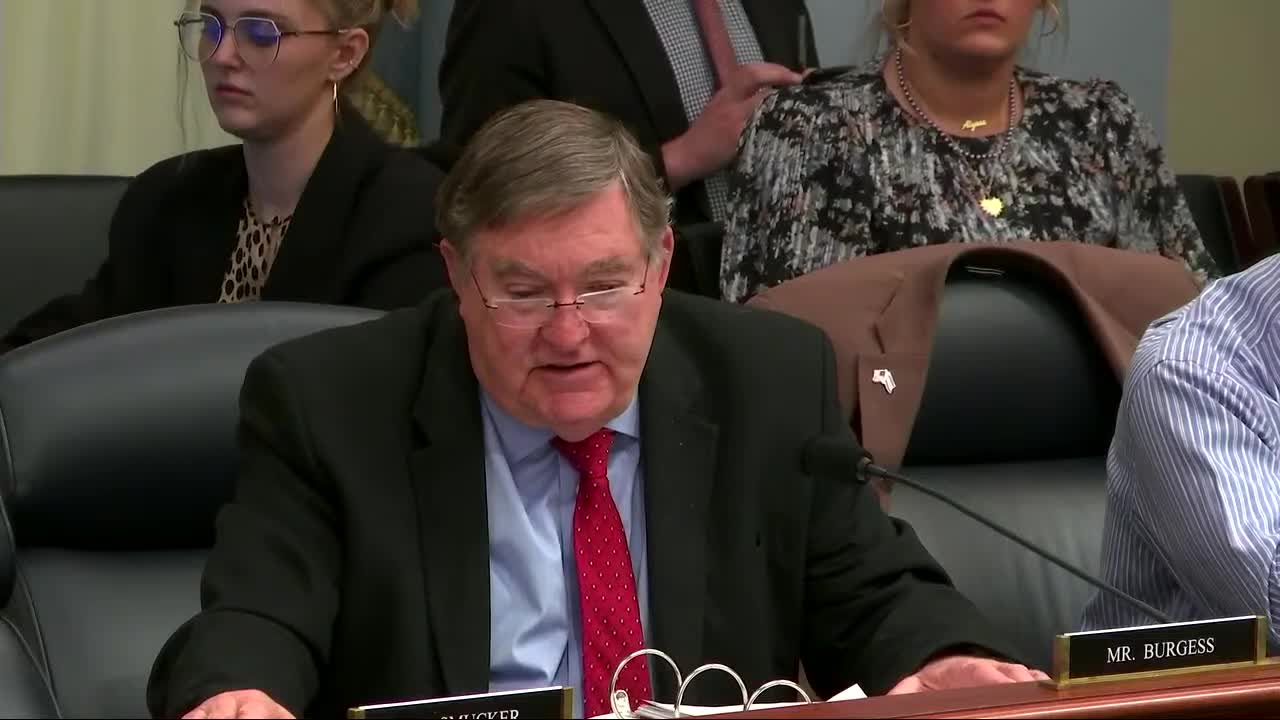
In a recent meeting of the U.S. House Committee on the Budget, discussions centered around the President's Fiscal Year 2025 Budget Request, highlighting significant concerns about the nation's financial future. The meeting underscored the ongoing debate regarding entitlement programs and their sustainability, a topic that has been a point of contention for decades.
Former Senator Paul Tsongas's warnings from the early 1990s were echoed during the discussions, emphasizing the need for careful management of entitlement spending. Tsongas had cautioned that the introduction of new entitlement programs could exacerbate existing financial burdens, a sentiment that resonates today as lawmakers grapple with the implications of mandatory spending. The committee members expressed concern that the current trajectory of national debt could lead to an intergenerational conflict, where future taxpayers may resist supporting established programs like Social Security and Medicare.
The conversation also touched on the broader implications of fiscal responsibility. One committee member noted that the U.S. currently spends more on interest for the national debt than on defense, raising alarms about the long-term viability of government spending. The urgency of addressing these issues was palpable, with members stressing the importance of finding solutions before reaching a crisis point.
In contrast, Representative Bobby Scott highlighted the Democratic approach to budget management, asserting that Democratic administrations have historically left their successors with improved deficit situations. He pointed out that the President's current budget proposal reflects a deficit that is a trillion dollars lower than the one inherited from the previous administration. This assertion aims to frame the current budget request as a responsible step towards fiscal stability while maintaining essential safety net programs.
As the committee continues to deliberate on the budget, the discussions reflect a critical juncture for U.S. fiscal policy. The balance between managing deficits and ensuring the longevity of vital social programs remains a pressing challenge. The outcomes of these discussions will likely shape the financial landscape for years to come, influencing both current and future generations.
Former Senator Paul Tsongas's warnings from the early 1990s were echoed during the discussions, emphasizing the need for careful management of entitlement spending. Tsongas had cautioned that the introduction of new entitlement programs could exacerbate existing financial burdens, a sentiment that resonates today as lawmakers grapple with the implications of mandatory spending. The committee members expressed concern that the current trajectory of national debt could lead to an intergenerational conflict, where future taxpayers may resist supporting established programs like Social Security and Medicare.
The conversation also touched on the broader implications of fiscal responsibility. One committee member noted that the U.S. currently spends more on interest for the national debt than on defense, raising alarms about the long-term viability of government spending. The urgency of addressing these issues was palpable, with members stressing the importance of finding solutions before reaching a crisis point.
In contrast, Representative Bobby Scott highlighted the Democratic approach to budget management, asserting that Democratic administrations have historically left their successors with improved deficit situations. He pointed out that the President's current budget proposal reflects a deficit that is a trillion dollars lower than the one inherited from the previous administration. This assertion aims to frame the current budget request as a responsible step towards fiscal stability while maintaining essential safety net programs.
As the committee continues to deliberate on the budget, the discussions reflect a critical juncture for U.S. fiscal policy. The balance between managing deficits and ensuring the longevity of vital social programs remains a pressing challenge. The outcomes of these discussions will likely shape the financial landscape for years to come, influencing both current and future generations.
View the Full Meeting & All Its Details
This article offers just a summary. Unlock complete video, transcripts, and insights as a Founder Member.
✓
Watch full, unedited meeting videos
✓
Search every word spoken in unlimited transcripts
✓
AI summaries & real-time alerts (all government levels)
✓
Permanent access to expanding government content
30-day money-back guarantee
