Senators Discuss Success of Cooperative Alternative Learning Programs in Arkansas
February 05, 2024 | EDUCATION COMMITTEE - SENATE, Senate, Committees, Legislative, Arkansas
This article was created by AI summarizing key points discussed. AI makes mistakes, so for full details and context, please refer to the video of the full meeting. Please report any errors so we can fix them. Report an error »
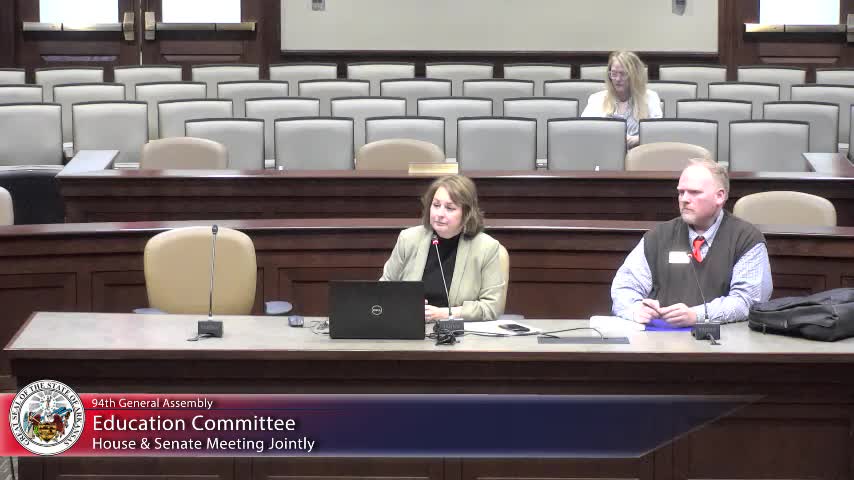
In a recent meeting of the Arkansas Senate Education Committee, discussions centered around the challenges and successes of Alternative Learning Environments (ALE) in schools. The atmosphere was charged with concern as committee members shared insights about the difficulties faced by students in these specialized classrooms, particularly those deemed at risk.
One senator highlighted the stark reality of some schools struggling to manage students effectively, noting, “It’s just nothing you can do with them.” This sentiment underscored the urgent need for robust support systems within ALE programs, which are designed to cater to students who may not thrive in traditional educational settings.
The committee explored the monitoring and compliance of ALE programs, emphasizing the importance of regular assessments. Officials explained that school districts undergo a three-year rotation cycle for evaluations, with additional visits triggered by risk assessments. If a school is found to be out of compliance, a report is generated, and the district is given a timeline to rectify the issues. This structured approach aims to ensure that all students receive the support they need to succeed.
A significant part of the discussion focused on the collaboration between districts to enhance ALE offerings. Some districts have formed partnerships, pooling resources to create more effective programs. For instance, the Success program in Jonesboro has garnered attention for its cooperative model, which allows multiple districts in Northeast Arkansas to work together. While the outcomes of these partnerships were debated, it was acknowledged that cooperative models often provide a more comprehensive support system compared to individual district efforts.
The committee also reflected on the evolution of ALE programs, particularly the Arch Ford program, which initially set a high standard for specialized training and mental health support. However, as the program expanded rapidly, maintaining the quality of services became a challenge. This led to discussions about the need for balance between growth and the fidelity of educational practices.
As the meeting concluded, the committee members recognized the ongoing need for innovation and collaboration in ALE programs. The discussions highlighted a commitment to improving educational outcomes for at-risk students, ensuring that they receive the necessary resources and support to thrive in their learning environments. The future of ALE in Arkansas appears to hinge on these collaborative efforts, as stakeholders work together to create a more inclusive and effective educational landscape.
One senator highlighted the stark reality of some schools struggling to manage students effectively, noting, “It’s just nothing you can do with them.” This sentiment underscored the urgent need for robust support systems within ALE programs, which are designed to cater to students who may not thrive in traditional educational settings.
The committee explored the monitoring and compliance of ALE programs, emphasizing the importance of regular assessments. Officials explained that school districts undergo a three-year rotation cycle for evaluations, with additional visits triggered by risk assessments. If a school is found to be out of compliance, a report is generated, and the district is given a timeline to rectify the issues. This structured approach aims to ensure that all students receive the support they need to succeed.
A significant part of the discussion focused on the collaboration between districts to enhance ALE offerings. Some districts have formed partnerships, pooling resources to create more effective programs. For instance, the Success program in Jonesboro has garnered attention for its cooperative model, which allows multiple districts in Northeast Arkansas to work together. While the outcomes of these partnerships were debated, it was acknowledged that cooperative models often provide a more comprehensive support system compared to individual district efforts.
The committee also reflected on the evolution of ALE programs, particularly the Arch Ford program, which initially set a high standard for specialized training and mental health support. However, as the program expanded rapidly, maintaining the quality of services became a challenge. This led to discussions about the need for balance between growth and the fidelity of educational practices.
As the meeting concluded, the committee members recognized the ongoing need for innovation and collaboration in ALE programs. The discussions highlighted a commitment to improving educational outcomes for at-risk students, ensuring that they receive the necessary resources and support to thrive in their learning environments. The future of ALE in Arkansas appears to hinge on these collaborative efforts, as stakeholders work together to create a more inclusive and effective educational landscape.
Don't Miss a Word: See the Full Meeting!
Go beyond summaries. Unlock every video, transcript, and key insight with a Founder Membership.
✓
Get instant access to full meeting videos
✓
Search and clip any phrase from complete transcripts
✓
Receive AI-powered summaries & custom alerts
✓
Enjoy lifetime, unrestricted access to government data
30-day money-back guarantee
