Panel discusses impact of immigration enforcement on mixed-status families in Norwalk schools
December 18, 2024 | Norwalk City, Fairfield, Connecticut
This article was created by AI summarizing key points discussed. AI makes mistakes, so for full details and context, please refer to the video of the full meeting. Please report any errors so we can fix them. Report an error »
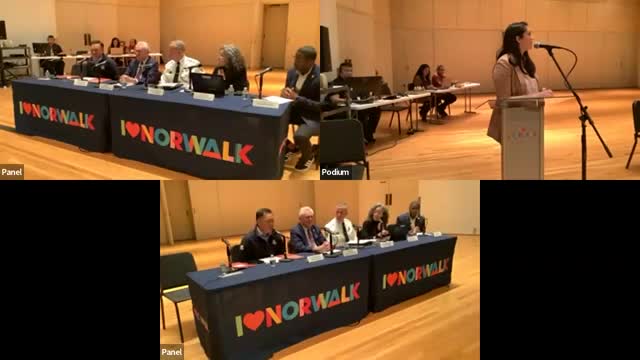
On December 18, 2024, the City of Norwalk held an immigrant community meeting that highlighted the challenges faced by families with mixed immigration statuses. The discussions underscored the complexities of immigration enforcement and its impact on local families, particularly children.
A key speaker emphasized the difficulties of addressing undocumented immigration, noting that many immigrant families include members with varying legal statuses, such as undocumented individuals, green card holders, and U.S. citizens. This mixed status creates a ripple effect; when one family member is targeted for deportation, the entire family is affected. The speaker shared a personal story, illustrating how the fear of detention can disrupt family life and impact children's emotional well-being, especially when they witness their peers facing similar threats.
The conversation also touched on the enforcement priorities of local authorities, who stated that they would focus on serious offenders, specifically those convicted of A and B felonies. While there was consensus that individuals who commit serious crimes should face legal consequences, concerns were raised about the broader implications of immigration enforcement on innocent family members.
Another participant shared her own journey as an immigrant, detailing the emotional toll of waiting for a green card and the anxiety it brings to her family. She expressed concern for children in Norwalk schools who are suffering in silence due to their families' immigration status, highlighting the urgent need for legal reforms that could provide pathways to stability for these families.
The meeting served as a platform for community members to voice their fears and frustrations, emphasizing the need for understanding and support from local authorities. As discussions continue, the City of Norwalk faces the challenge of balancing immigration enforcement with the well-being of its diverse community. The outcomes of these conversations could shape future policies and community relations, making it essential for local leaders to consider the human impact of their decisions.
A key speaker emphasized the difficulties of addressing undocumented immigration, noting that many immigrant families include members with varying legal statuses, such as undocumented individuals, green card holders, and U.S. citizens. This mixed status creates a ripple effect; when one family member is targeted for deportation, the entire family is affected. The speaker shared a personal story, illustrating how the fear of detention can disrupt family life and impact children's emotional well-being, especially when they witness their peers facing similar threats.
The conversation also touched on the enforcement priorities of local authorities, who stated that they would focus on serious offenders, specifically those convicted of A and B felonies. While there was consensus that individuals who commit serious crimes should face legal consequences, concerns were raised about the broader implications of immigration enforcement on innocent family members.
Another participant shared her own journey as an immigrant, detailing the emotional toll of waiting for a green card and the anxiety it brings to her family. She expressed concern for children in Norwalk schools who are suffering in silence due to their families' immigration status, highlighting the urgent need for legal reforms that could provide pathways to stability for these families.
The meeting served as a platform for community members to voice their fears and frustrations, emphasizing the need for understanding and support from local authorities. As discussions continue, the City of Norwalk faces the challenge of balancing immigration enforcement with the well-being of its diverse community. The outcomes of these conversations could shape future policies and community relations, making it essential for local leaders to consider the human impact of their decisions.
View the Full Meeting & All Its Details
This article offers just a summary. Unlock complete video, transcripts, and insights as a Founder Member.
✓
Watch full, unedited meeting videos
✓
Search every word spoken in unlimited transcripts
✓
AI summaries & real-time alerts (all government levels)
✓
Permanent access to expanding government content
30-day money-back guarantee
