Debate highlights tensions over Russia's state church and KGB influence in Ukraine
November 24, 2024 | Other , Citizen Journalism , Utah Citizen Journalism, Elections, Utah
This article was created by AI summarizing key points discussed. AI makes mistakes, so for full details and context, please refer to the video of the full meeting. Please report any errors so we can fix them. Report an error »
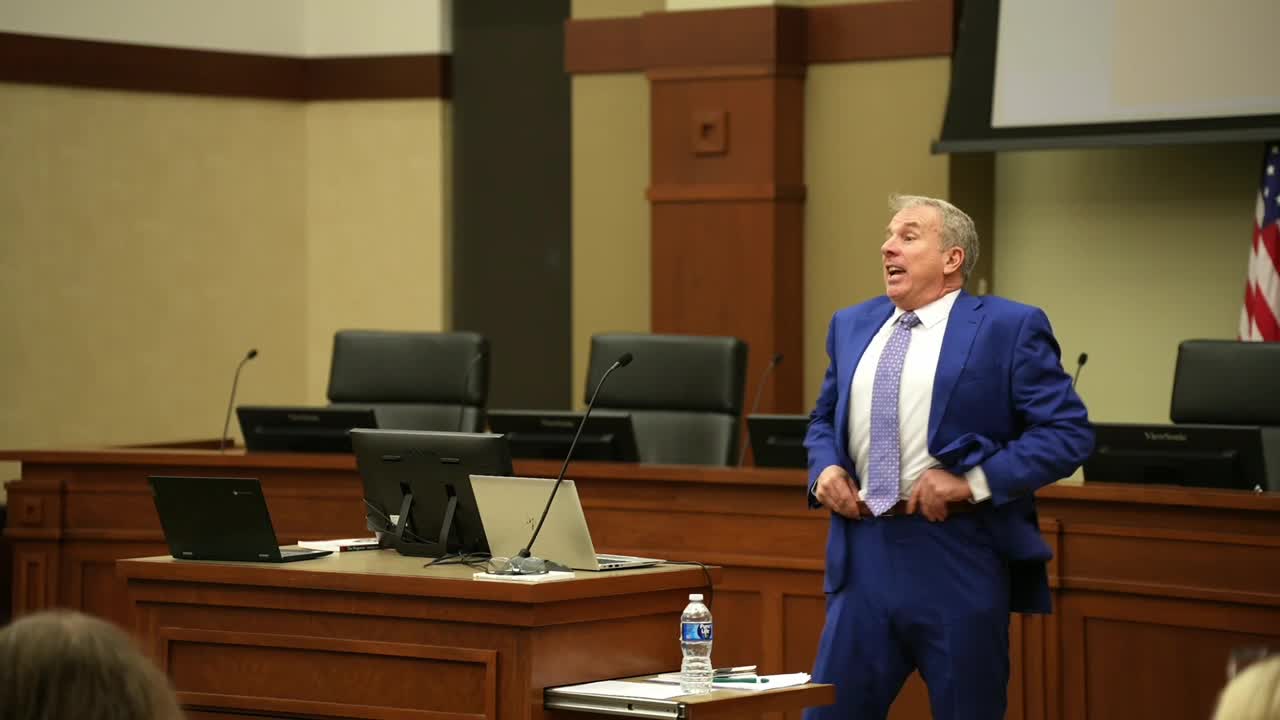
In a recent government meeting in Utah, discussions surrounding the complex relationship between Ukraine and Russia took center stage, highlighting the ongoing battle against misinformation and the role of faith in these geopolitical tensions. The atmosphere was charged as participants delved into the nuances of free agency and the implications of religious institutions in both nations.
One speaker passionately defended the importance of free agency within Christianity, emphasizing that it should not lead to discrimination against individuals based on their sexual orientation. This sentiment resonated with many, as it underscored a broader principle of acceptance and understanding within faith communities. However, the speaker also cautioned that such views might be perceived as radical within certain conservative circles, suggesting that the narrative could be twisted when shared online.
The conversation then shifted to the role of the Russian Orthodox Church, with a participant raising concerns about its ties to the KGB. They argued that the church has historically acted as an arm of the state, with priests allegedly serving as agents of the KGB. This assertion sparked a heated debate about the authenticity of religious freedom in Russia, contrasting it sharply with the situation in Ukraine, where the church's influence has been scrutinized amid the ongoing conflict.
As the meeting progressed, the complexities of the Ukrainian struggle against misinformation were laid bare. Participants expressed concern over how narratives are shaped and manipulated, particularly by state-sponsored media. The mention of "Russia Today" as a source of propaganda highlighted the challenges faced by those seeking the truth in a landscape rife with conflicting information.
In conclusion, the discussions at the meeting illuminated the intricate interplay between faith, politics, and the dissemination of information in the context of the Ukraine-Russia conflict. As misinformation continues to spread, the need for critical engagement and open dialogue remains paramount, leaving attendees with much to ponder about the future of both nations and the role of truth in shaping their paths forward.
One speaker passionately defended the importance of free agency within Christianity, emphasizing that it should not lead to discrimination against individuals based on their sexual orientation. This sentiment resonated with many, as it underscored a broader principle of acceptance and understanding within faith communities. However, the speaker also cautioned that such views might be perceived as radical within certain conservative circles, suggesting that the narrative could be twisted when shared online.
The conversation then shifted to the role of the Russian Orthodox Church, with a participant raising concerns about its ties to the KGB. They argued that the church has historically acted as an arm of the state, with priests allegedly serving as agents of the KGB. This assertion sparked a heated debate about the authenticity of religious freedom in Russia, contrasting it sharply with the situation in Ukraine, where the church's influence has been scrutinized amid the ongoing conflict.
As the meeting progressed, the complexities of the Ukrainian struggle against misinformation were laid bare. Participants expressed concern over how narratives are shaped and manipulated, particularly by state-sponsored media. The mention of "Russia Today" as a source of propaganda highlighted the challenges faced by those seeking the truth in a landscape rife with conflicting information.
In conclusion, the discussions at the meeting illuminated the intricate interplay between faith, politics, and the dissemination of information in the context of the Ukraine-Russia conflict. As misinformation continues to spread, the need for critical engagement and open dialogue remains paramount, leaving attendees with much to ponder about the future of both nations and the role of truth in shaping their paths forward.
Don't Miss a Word: See the Full Meeting!
Go beyond summaries. Unlock every video, transcript, and key insight with a Founder Membership.
✓
Get instant access to full meeting videos
✓
Search and clip any phrase from complete transcripts
✓
Receive AI-powered summaries & custom alerts
✓
Enjoy lifetime, unrestricted access to government data
30-day money-back guarantee
