Educators in Bayamón demand more resources as special education enrollment surges
January 25, 2024 | Senate, Committees, Legislative, Puerto Rico, International
This article was created by AI summarizing key points discussed. AI makes mistakes, so for full details and context, please refer to the video of the full meeting. Please report any errors so we can fix them. Report an error »
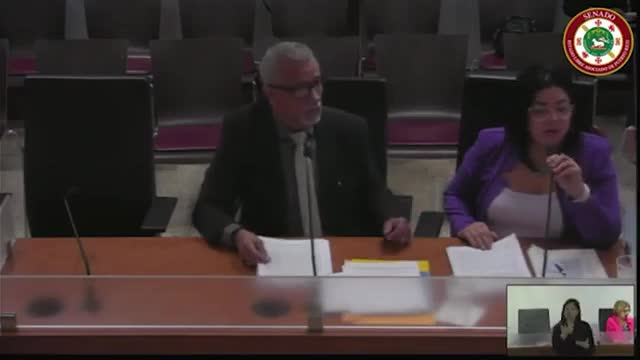
The January 25 meeting of the Special Commission for Legislative Monitoring of the Education Program focused on pressing issues within the educational system, particularly regarding special education services and infrastructure challenges in schools.
The session began with a discussion led by a special education teacher who highlighted the increasing enrollment in her school, which has resulted in a significant strain on resources. She reported managing thirty-three students, exceeding the recommended limit of twenty-five for special education classes. The teacher emphasized the complexities of addressing diverse needs, including students with autism, and the difficulties in providing adequate support within the current staffing framework.
The teacher explained that the distribution of students is often based on numerical quotas rather than individual needs. This approach complicates the ability to provide effective education, as teachers are required to juggle multiple classes and periods, often leading to insufficient time spent with each group. The teacher expressed frustration over the perception of special education staff as mere numbers, rather than recognizing the unique challenges faced by students requiring additional support.
The conversation then shifted to the physical conditions of schools, particularly the Tomás Mazo Rivera School in Toa Alta. Concerns were raised about the lack of functional equipment for vocational training, which hampers the school's ability to provide essential skills to students. The infrastructure issues were described as a significant barrier to delivering quality education, particularly in vocational programs that require specialized facilities.
The meeting concluded with a call for further investigation into the staffing and resource allocation for special education, as well as a commitment to address the infrastructural deficiencies in schools. The commission acknowledged the need for a more nuanced understanding of student needs and a reevaluation of how educational resources are distributed to ensure that all students receive the support they require.
The session began with a discussion led by a special education teacher who highlighted the increasing enrollment in her school, which has resulted in a significant strain on resources. She reported managing thirty-three students, exceeding the recommended limit of twenty-five for special education classes. The teacher emphasized the complexities of addressing diverse needs, including students with autism, and the difficulties in providing adequate support within the current staffing framework.
The teacher explained that the distribution of students is often based on numerical quotas rather than individual needs. This approach complicates the ability to provide effective education, as teachers are required to juggle multiple classes and periods, often leading to insufficient time spent with each group. The teacher expressed frustration over the perception of special education staff as mere numbers, rather than recognizing the unique challenges faced by students requiring additional support.
The conversation then shifted to the physical conditions of schools, particularly the Tomás Mazo Rivera School in Toa Alta. Concerns were raised about the lack of functional equipment for vocational training, which hampers the school's ability to provide essential skills to students. The infrastructure issues were described as a significant barrier to delivering quality education, particularly in vocational programs that require specialized facilities.
The meeting concluded with a call for further investigation into the staffing and resource allocation for special education, as well as a commitment to address the infrastructural deficiencies in schools. The commission acknowledged the need for a more nuanced understanding of student needs and a reevaluation of how educational resources are distributed to ensure that all students receive the support they require.
View the Full Meeting & All Its Details
This article offers just a summary. Unlock complete video, transcripts, and insights as a Founder Member.
✓
Watch full, unedited meeting videos
✓
Search every word spoken in unlimited transcripts
✓
AI summaries & real-time alerts (all government levels)
✓
Permanent access to expanding government content
30-day money-back guarantee
