Housing Discrimination Case Highlights Hostile Environment Created by Social Media Post
October 28, 2024 | Human Rights Commission, Maine, Executive, Maine
This article was created by AI summarizing key points discussed. AI makes mistakes, so for full details and context, please refer to the video of the full meeting. Please report any errors so we can fix them. Report an error »
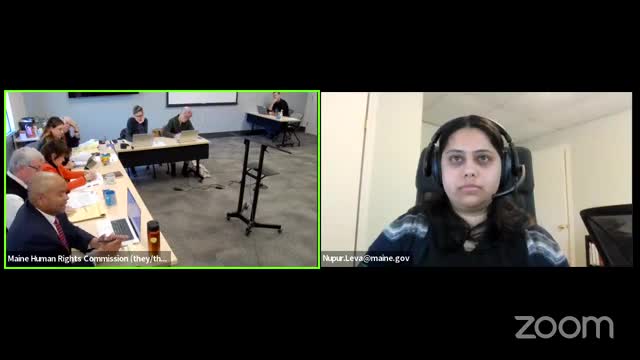
A heated discussion about housing discrimination took center stage at the Maine Human Rights Commission meeting on October 28, 2024, as commissioners examined a complaint involving a social media post that allegedly created a hostile living environment for a tenant. The case revolves around a resident, Ms. McAllister, who expressed fear and discomfort in her own home after a neighbor, who worked for the landlord, posted derogatory comments about the LGBTQ+ community online.
During the meeting, McAllister detailed her experience, stating, "I didn't dare to leave my apartment... I just didn't want to run into her and have something said to me." Her testimony highlighted the emotional toll the post had on her, making her feel unsafe even in common areas of her building. The commissioners grappled with the implications of the post, which included inflammatory language directed at a protected class, and whether it constituted a violation of housing rights.
Investigator Nooper Leva emphasized that the post alone was sufficient to establish a hostile environment, regardless of any pre-existing tensions among neighbors. "Even if nothing else had occurred, this alone would have created a hostile enough environment," Leva stated, underscoring the seriousness of the allegations.
The discussion also touched on the balance between free speech and the right to live free from discrimination. Commissioner O'Brien raised concerns about the respondent's right to express her beliefs, while others pointed out that public statements targeting individuals based on their identity cross a line into discriminatory conduct.
Ultimately, the commission voted to find reasonable grounds to believe that the respondent, Ms. Sabeel, discriminated against McAllister based on her sexual orientation or gender identity. The case will now proceed, with the potential for further legal examination of the intersection between personal beliefs and housing rights. The commission's decision underscores the ongoing challenges in addressing discrimination in housing and the importance of protecting vulnerable communities.
During the meeting, McAllister detailed her experience, stating, "I didn't dare to leave my apartment... I just didn't want to run into her and have something said to me." Her testimony highlighted the emotional toll the post had on her, making her feel unsafe even in common areas of her building. The commissioners grappled with the implications of the post, which included inflammatory language directed at a protected class, and whether it constituted a violation of housing rights.
Investigator Nooper Leva emphasized that the post alone was sufficient to establish a hostile environment, regardless of any pre-existing tensions among neighbors. "Even if nothing else had occurred, this alone would have created a hostile enough environment," Leva stated, underscoring the seriousness of the allegations.
The discussion also touched on the balance between free speech and the right to live free from discrimination. Commissioner O'Brien raised concerns about the respondent's right to express her beliefs, while others pointed out that public statements targeting individuals based on their identity cross a line into discriminatory conduct.
Ultimately, the commission voted to find reasonable grounds to believe that the respondent, Ms. Sabeel, discriminated against McAllister based on her sexual orientation or gender identity. The case will now proceed, with the potential for further legal examination of the intersection between personal beliefs and housing rights. The commission's decision underscores the ongoing challenges in addressing discrimination in housing and the importance of protecting vulnerable communities.
View the Full Meeting & All Its Details
This article offers just a summary. Unlock complete video, transcripts, and insights as a Founder Member.
✓
Watch full, unedited meeting videos
✓
Search every word spoken in unlimited transcripts
✓
AI summaries & real-time alerts (all government levels)
✓
Permanent access to expanding government content
30-day money-back guarantee
