Vermont lawmakers clash over education funding and property tax reforms in heated debate
April 23, 2024 | HOUSE OF REPRESENTATIVES, Committees, Legislative , Vermont
This article was created by AI summarizing key points discussed. AI makes mistakes, so for full details and context, please refer to the video of the full meeting. Please report any errors so we can fix them. Report an error »
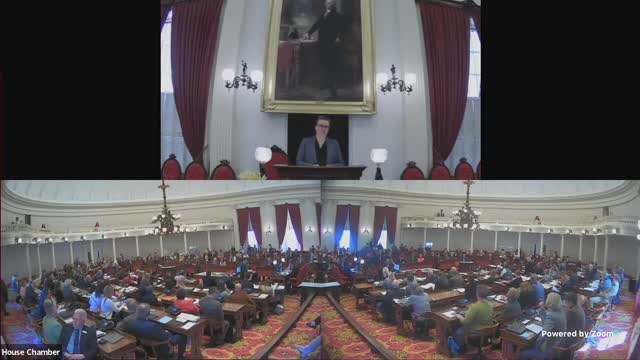
The Vermont House of Representatives convened on April 23, 2024, to discuss critical issues surrounding education funding and property taxes, reflecting ongoing concerns from constituents about financial burdens.
A significant point of contention arose regarding the proposed amendments to the education funding bill. Representatives voiced strong opinions on how to manage rising property taxes and the funding mechanisms for local school districts. One representative emphasized the need to stop imposing excessive taxes on low-income residents, advocating for a more equitable approach to funding education without overburdening taxpayers.
Another representative from Thetford argued against taxing local businesses, suggesting instead that the cannabis industry should bear more financial responsibility due to its perceived negative impact on youth and education. This perspective highlights the ongoing debate about how to balance revenue generation with community welfare.
The discussion also included an amendment proposed by a member from Dover, which aimed to clarify state-directed spending and its impact on property taxes. This amendment sought to ensure transparency in how education funding decisions affect local budgets, particularly in light of recent criticisms regarding the administration's handling of school budgets.
Concerns were raised about the sustainability of current spending levels, with one representative noting that per pupil costs have surged by 66% over the past six years. This alarming trend has prompted calls for stricter controls on spending to prevent further increases in property taxes, which many constituents view as unsustainable.
The committee on ways and means expressed reservations about the proposed amendments, particularly regarding their potential impact on chronically underfunded districts. They emphasized the need to protect these districts from further financial strain while still addressing the overall funding challenges faced by the state.
As the session progressed, representatives acknowledged the complexity of the education funding system and the interconnectedness of various districts' financial situations. The discussions underscored the urgency for a balanced approach that considers both the needs of students and the financial realities faced by taxpayers.
In conclusion, the Vermont House's deliberations on education funding and property taxes reflect a broader struggle to find equitable solutions that address the concerns of constituents while ensuring the sustainability of the state's education system. The outcome of these discussions will likely shape future policies and funding strategies in Vermont.
A significant point of contention arose regarding the proposed amendments to the education funding bill. Representatives voiced strong opinions on how to manage rising property taxes and the funding mechanisms for local school districts. One representative emphasized the need to stop imposing excessive taxes on low-income residents, advocating for a more equitable approach to funding education without overburdening taxpayers.
Another representative from Thetford argued against taxing local businesses, suggesting instead that the cannabis industry should bear more financial responsibility due to its perceived negative impact on youth and education. This perspective highlights the ongoing debate about how to balance revenue generation with community welfare.
The discussion also included an amendment proposed by a member from Dover, which aimed to clarify state-directed spending and its impact on property taxes. This amendment sought to ensure transparency in how education funding decisions affect local budgets, particularly in light of recent criticisms regarding the administration's handling of school budgets.
Concerns were raised about the sustainability of current spending levels, with one representative noting that per pupil costs have surged by 66% over the past six years. This alarming trend has prompted calls for stricter controls on spending to prevent further increases in property taxes, which many constituents view as unsustainable.
The committee on ways and means expressed reservations about the proposed amendments, particularly regarding their potential impact on chronically underfunded districts. They emphasized the need to protect these districts from further financial strain while still addressing the overall funding challenges faced by the state.
As the session progressed, representatives acknowledged the complexity of the education funding system and the interconnectedness of various districts' financial situations. The discussions underscored the urgency for a balanced approach that considers both the needs of students and the financial realities faced by taxpayers.
In conclusion, the Vermont House's deliberations on education funding and property taxes reflect a broader struggle to find equitable solutions that address the concerns of constituents while ensuring the sustainability of the state's education system. The outcome of these discussions will likely shape future policies and funding strategies in Vermont.
Don't Miss a Word: See the Full Meeting!
Go beyond summaries. Unlock every video, transcript, and key insight with a Founder Membership.
✓
Get instant access to full meeting videos
✓
Search and clip any phrase from complete transcripts
✓
Receive AI-powered summaries & custom alerts
✓
Enjoy lifetime, unrestricted access to government data
30-day money-back guarantee
