Vermont lawmakers debate neonicotinoid pesticide ban amid concerns for farmers and pollinators
March 21, 2024 | HOUSE OF REPRESENTATIVES, Committees, Legislative , Vermont
This article was created by AI summarizing key points discussed. AI makes mistakes, so for full details and context, please refer to the video of the full meeting. Please report any errors so we can fix them. Report an error »
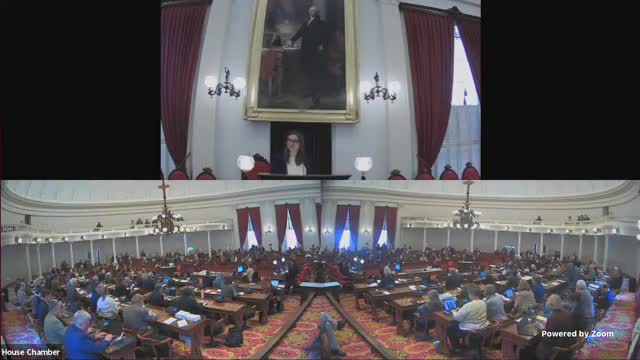
In a spirited session at the Vermont House of Representatives, lawmakers gathered to debate a pivotal bill aimed at regulating the use of neonicotinoids, a class of pesticides linked to declining pollinator populations. The atmosphere was charged with urgency as representatives voiced their concerns and support for the legislation, which seeks to restore choice for farmers while addressing environmental impacts.
The discussion highlighted the delicate balance between agricultural practices and ecological health. One member expressed support for the bill, citing the need for farmers to have options that do not rely on harmful chemicals. "This bill is about restoring choice for our farmers," they stated, emphasizing the importance of moving away from dependence on neonicotinoids, which have been shown to adversely affect pollinators like bees.
However, the session was not without contention. Some representatives raised alarms about the potential economic repercussions for Vermont's dairy industry, which relies heavily on conventional farming practices. Concerns were voiced regarding the absence of testimony from key agricultural and health officials during committee hearings, leading to questions about the bill's thoroughness and potential impacts on human health.
The debate also touched on the scientific evidence surrounding neonicotinoids. A member referenced extensive studies indicating that these pesticides are not only harmful to pollinators but also persist in the environment, raising alarms about their long-term effects. "We must address this proven cause of decline head-on to support a resilient and diverse food system," one representative urged, linking the health of pollinators directly to food security.
As the session progressed, the urgency of the issue became increasingly apparent. With Vermont's agricultural landscape at stake, lawmakers grappled with the implications of the bill, which includes a five-year timeline for transitioning away from treated seeds. This provision aims to give farmers time to adapt while ensuring that pollinator populations receive the protection they desperately need.
In a poignant moment, a member quoted Rachel Carson's "Silent Spring," drawing parallels between past pesticide use and current practices. "When are we going to wake up, and how much more destruction is it going to take?" they asked, encapsulating the gravity of the situation.
As the roll call vote approached, the tension in the room was palpable. The outcome of this legislation could reshape Vermont's agricultural practices and set a precedent for environmental stewardship in the face of a growing ecological crisis. With farmers, scientists, and environmental advocates watching closely, the Vermont House of Representatives stood at a crossroads, poised to make a decision that could resonate far beyond its borders.
The discussion highlighted the delicate balance between agricultural practices and ecological health. One member expressed support for the bill, citing the need for farmers to have options that do not rely on harmful chemicals. "This bill is about restoring choice for our farmers," they stated, emphasizing the importance of moving away from dependence on neonicotinoids, which have been shown to adversely affect pollinators like bees.
However, the session was not without contention. Some representatives raised alarms about the potential economic repercussions for Vermont's dairy industry, which relies heavily on conventional farming practices. Concerns were voiced regarding the absence of testimony from key agricultural and health officials during committee hearings, leading to questions about the bill's thoroughness and potential impacts on human health.
The debate also touched on the scientific evidence surrounding neonicotinoids. A member referenced extensive studies indicating that these pesticides are not only harmful to pollinators but also persist in the environment, raising alarms about their long-term effects. "We must address this proven cause of decline head-on to support a resilient and diverse food system," one representative urged, linking the health of pollinators directly to food security.
As the session progressed, the urgency of the issue became increasingly apparent. With Vermont's agricultural landscape at stake, lawmakers grappled with the implications of the bill, which includes a five-year timeline for transitioning away from treated seeds. This provision aims to give farmers time to adapt while ensuring that pollinator populations receive the protection they desperately need.
In a poignant moment, a member quoted Rachel Carson's "Silent Spring," drawing parallels between past pesticide use and current practices. "When are we going to wake up, and how much more destruction is it going to take?" they asked, encapsulating the gravity of the situation.
As the roll call vote approached, the tension in the room was palpable. The outcome of this legislation could reshape Vermont's agricultural practices and set a precedent for environmental stewardship in the face of a growing ecological crisis. With farmers, scientists, and environmental advocates watching closely, the Vermont House of Representatives stood at a crossroads, poised to make a decision that could resonate far beyond its borders.
Don't Miss a Word: See the Full Meeting!
Go beyond summaries. Unlock every video, transcript, and key insight with a Founder Membership.
✓
Get instant access to full meeting videos
✓
Search and clip any phrase from complete transcripts
✓
Receive AI-powered summaries & custom alerts
✓
Enjoy lifetime, unrestricted access to government data
30-day money-back guarantee
