Arkansas educators push for tutoring reforms to address generational neglect in student learning
This article was created by AI summarizing key points discussed. AI makes mistakes, so for full details and context, please refer to the video of the full meeting. Please report any errors so we can fix them. Report an error »
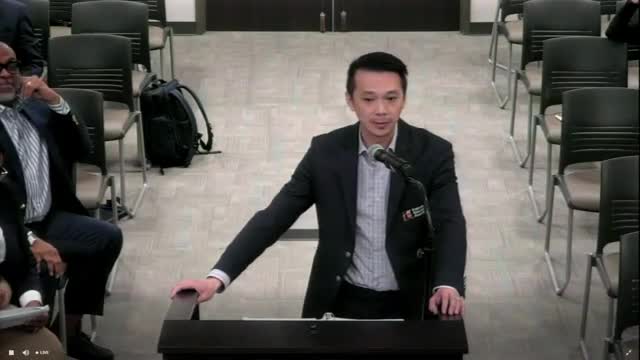
The Arkansas Education Charter Authorizing Panel met on February 13, 2024, to discuss critical educational challenges and initiatives aimed at improving student outcomes across the state. A key focus of the meeting was the pressing need for foundational academic support, particularly in mathematics, as highlighted by Joe Harrison, who noted alarming deficiencies among sixth graders, including their inability to perform basic double-digit arithmetic. Harrison emphasized the urgency of addressing these gaps, advocating for a three-year period dedicated to teaching fundamental skills to ensure students are adequately prepared for standardized testing.
The panel also discussed the importance of tutoring as a transformative educational strategy. Harrison pointed out that upcoming legislation would facilitate tutoring programs, which he believes will significantly enhance the educational efforts of schools facing academic deficiencies. He shared that his charter school is already implementing a system for one-on-one tutoring, both during school hours and after school, to provide personalized support to students.
In addition to addressing immediate academic needs, the panel explored opportunities for college and career readiness. Discussions included partnerships with local universities, such as the University of Arkansas at Pine Bluff (UAPB), to offer concurrent enrollment courses for high school students. This initiative aims to allow students to earn college credits while still in high school, thereby enhancing their educational pathways.
The meeting also touched on the importance of community engagement and collaboration among educational stakeholders. Panel members encouraged participation in community meetings to foster partnerships that could help recruit qualified teachers and address the challenges faced by schools in the Pine Bluff area.
Overall, the discussions underscored a commitment to improving educational outcomes through targeted interventions, community collaboration, and a focus on foundational skills. The panel's efforts reflect a proactive approach to addressing the generational neglect in education and ensuring that Arkansas students are equipped for future success.
The panel also discussed the importance of tutoring as a transformative educational strategy. Harrison pointed out that upcoming legislation would facilitate tutoring programs, which he believes will significantly enhance the educational efforts of schools facing academic deficiencies. He shared that his charter school is already implementing a system for one-on-one tutoring, both during school hours and after school, to provide personalized support to students.
In addition to addressing immediate academic needs, the panel explored opportunities for college and career readiness. Discussions included partnerships with local universities, such as the University of Arkansas at Pine Bluff (UAPB), to offer concurrent enrollment courses for high school students. This initiative aims to allow students to earn college credits while still in high school, thereby enhancing their educational pathways.
The meeting also touched on the importance of community engagement and collaboration among educational stakeholders. Panel members encouraged participation in community meetings to foster partnerships that could help recruit qualified teachers and address the challenges faced by schools in the Pine Bluff area.
Overall, the discussions underscored a commitment to improving educational outcomes through targeted interventions, community collaboration, and a focus on foundational skills. The panel's efforts reflect a proactive approach to addressing the generational neglect in education and ensuring that Arkansas students are equipped for future success.
Don't Miss a Word: See the Full Meeting!
Go beyond summaries. Unlock every video, transcript, and key insight with a Founder Membership.
✓
Get instant access to full meeting videos
✓
Search and clip any phrase from complete transcripts
✓
Receive AI-powered summaries & custom alerts
✓
Enjoy lifetime, unrestricted access to government data
30-day money-back guarantee
