VA expands rural prosthetics program to enhance care for veterans across 11 states
November 21, 2024 | Veterans Affairs: House Committee, Standing Committees - House & Senate, Congressional Hearings Compilation, Legislative, Federal
This article was created by AI summarizing key points discussed. AI makes mistakes, so for full details and context, please refer to the video of the full meeting. Please report any errors so we can fix them. Report an error »
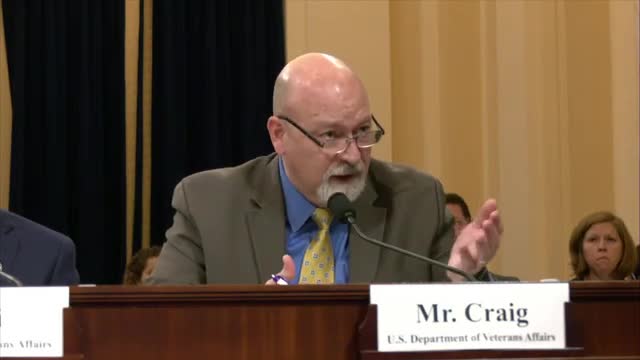
In a recent session of the Subcommittee on Health Oversight Hearing by the U.S. House Committee on Veterans' Affairs, discussions centered on the critical topic of healthcare accessibility for veterans, particularly those requiring amputations. The meeting highlighted the Veterans Affairs (VA) system's tiered approach to amputation care, which is designed to ensure consistent treatment across various medical facilities, especially in rural areas where healthcare providers are scarce.
Mr. Zaslow, a key speaker at the hearing, detailed the VA's comprehensive amputation system of care, which includes regional amputation centers and polytrauma amputation network sites. He emphasized the importance of training and collaboration with community partners to maintain high standards of care. Notably, the VA has implemented a mobile prosthetics program, which has already served over 4,200 veterans through 6,000 visits across 15 sites in 11 states. This initiative aims to expand access to prosthetic services, particularly in underserved regions.
The conversation also touched on the need for the VA to remain proactive rather than reactive in its approach to healthcare. Representative Bergman raised a pertinent question regarding the VA's responsiveness to advancements in prosthetic technology. Dr. Zaslow responded by outlining the VA's commitment to ongoing training for prosthetists, which includes partnerships with the Department of Defense (DOD) to stay updated on the latest innovations. The VA reviews emerging evidence and updates its clinical practice guidelines every five years, ensuring that veterans receive the most current care.
Furthermore, the hearing underscored the importance of real-time feedback from amputee patients. Dr. Zaslow noted that the VA is actively seeking input from this population to make necessary adjustments and improve local facility services. This focus on patient feedback is crucial for enhancing the quality of care and ensuring that veterans' needs are met effectively.
As the meeting concluded, it was clear that the VA is making strides in improving healthcare accessibility and quality for veterans, particularly those with amputations. The ongoing efforts to expand services and integrate new technologies reflect a commitment to providing comprehensive care that meets the unique challenges faced by veterans across the country.
Mr. Zaslow, a key speaker at the hearing, detailed the VA's comprehensive amputation system of care, which includes regional amputation centers and polytrauma amputation network sites. He emphasized the importance of training and collaboration with community partners to maintain high standards of care. Notably, the VA has implemented a mobile prosthetics program, which has already served over 4,200 veterans through 6,000 visits across 15 sites in 11 states. This initiative aims to expand access to prosthetic services, particularly in underserved regions.
The conversation also touched on the need for the VA to remain proactive rather than reactive in its approach to healthcare. Representative Bergman raised a pertinent question regarding the VA's responsiveness to advancements in prosthetic technology. Dr. Zaslow responded by outlining the VA's commitment to ongoing training for prosthetists, which includes partnerships with the Department of Defense (DOD) to stay updated on the latest innovations. The VA reviews emerging evidence and updates its clinical practice guidelines every five years, ensuring that veterans receive the most current care.
Furthermore, the hearing underscored the importance of real-time feedback from amputee patients. Dr. Zaslow noted that the VA is actively seeking input from this population to make necessary adjustments and improve local facility services. This focus on patient feedback is crucial for enhancing the quality of care and ensuring that veterans' needs are met effectively.
As the meeting concluded, it was clear that the VA is making strides in improving healthcare accessibility and quality for veterans, particularly those with amputations. The ongoing efforts to expand services and integrate new technologies reflect a commitment to providing comprehensive care that meets the unique challenges faced by veterans across the country.
Don't Miss a Word: See the Full Meeting!
Go beyond summaries. Unlock every video, transcript, and key insight with a Founder Membership.
✓
Get instant access to full meeting videos
✓
Search and clip any phrase from complete transcripts
✓
Receive AI-powered summaries & custom alerts
✓
Enjoy lifetime, unrestricted access to government data
30-day money-back guarantee
